 ProMapRanker
Best App to Sell Sports Cards in 2026

Key takeaways
- eBay suits most sellers because of its huge audience and sold-price research, despite higher fees.
- Whatnot suits sellers who enjoy live selling and want lower commission on many card sales.
- MySlabs suits graded-card sellers who want low fees and a focused buyer pool.
- COMC and Fanatics Collect suit bulk and vault-based selling, while Mercari suits quick sales of lower-value cards.
Quick comparison
| Pick | Great for | Pricing starts at | Free tier | |
|---|---|---|---|---|
 eBay | Largest audience | Free | Yes | Visit |
 COMC | Bulk consignment selling | Free | Yes | Visit |
 Whatnot | Live selling | Free | Yes | Visit |
 MySlabs | Low-fee graded cards | Free | Yes | Visit |
 Fanatics Collect | Auctions and vault selling | Free | Yes | Visit |
 Mercari | Quick lower-value sales | Free | Yes | Visit |
 Goldin | High-end auctions | Free | Yes | Visit |
 StarStock | Graded card marketplace | Free | Yes | Visit |
The best app to sell sports cards
We compared these platforms on audience, fees, listing effort, shipping, authentication and payout. Our pick for most sellers is eBay for reach, with MySlabs as a low-fee second channel for graded cards. Sellers with bulk raw cards should look at COMC, while live sellers should trial Whatnot.
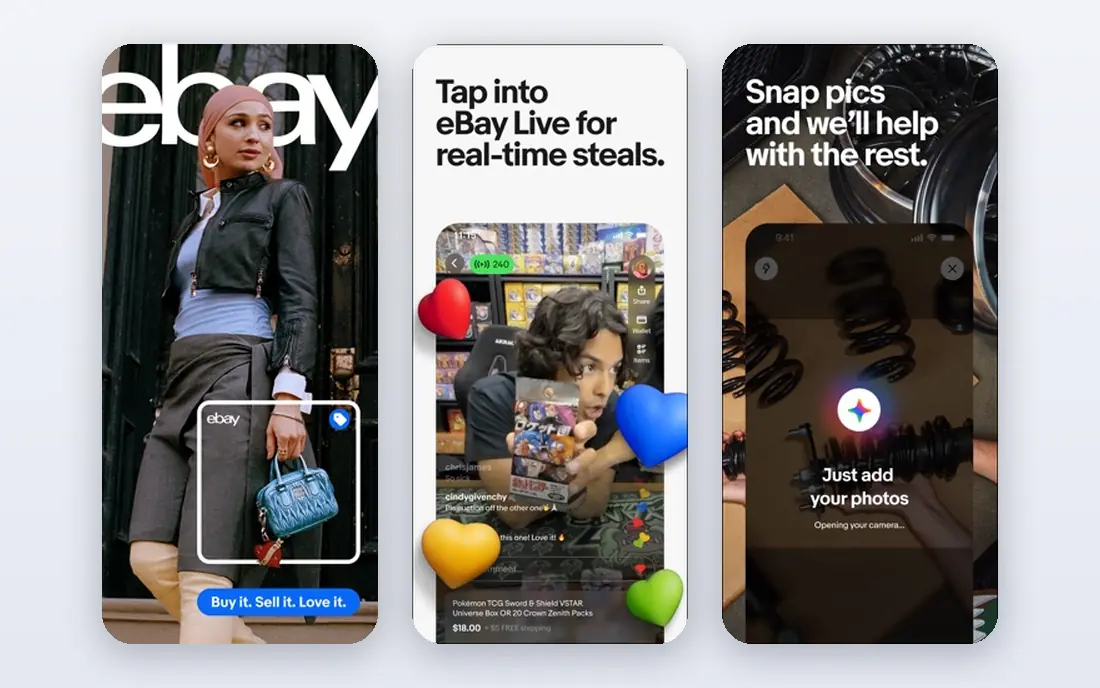
eBay is the default place to sell sports cards because buyers search there first, and sold listings show what similar cards actually sold for, not only what sellers asked. Auctions suit cards with uncertain value, while fixed-price listings suit cards with a clear market price. For qualifying cards, eBay also offers authentication, which can help on higher-value sales.
The fee is the main drawback. Trading cards carry a final value fee of 13.25 percent of the total sale amount plus a per-order fee of 0.40 dollars on orders over 10 dollars in recent listings. Promoted listings cost extra. eBay fits sellers who value reach and price discovery more than the lowest fee.
- Huge buyer pool
- Auctions and fixed-price options
- Sold listings for pricing research
- Trading card final value fee of 13.25 percent plus a per-order fee
- More listing work
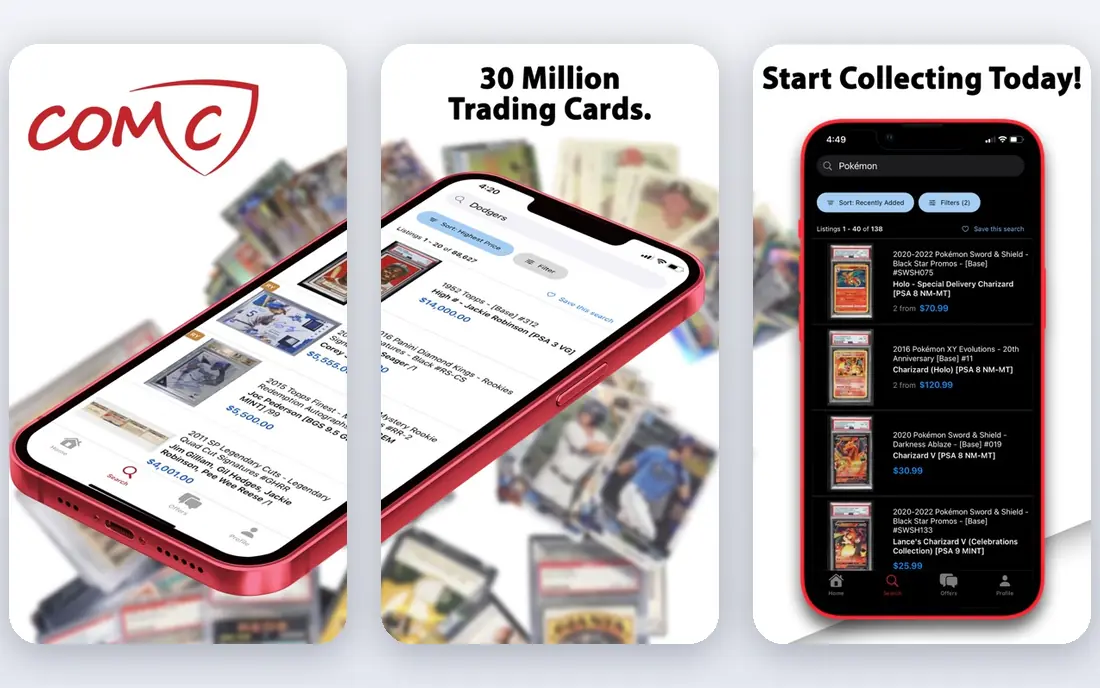
COMC, short for Check Out My Cards, is a consignment platform where a seller sends cards in and COMC scans, lists, prices and ships them. That hands-off model suits bulk sellers with many low- to mid-value raw cards who do not want to photograph and ship each one. Buyers can also combine cards from many sellers into one shipment, which helps low-value sales.
The trade-off is time and fees. Processing can take a while, and cash-out and transaction fees add up, so the net payout per card can be lower than self-listing. COMC is best for bulk sellers who value time over the highest per-card return, and for sellers who want international exposure without handling shipping.
- Handles scanning, listing and fulfillment
- Good for bulk raw cards
- Global buyer base
- Processing delays
- Multiple fees including cash-out and transaction charges
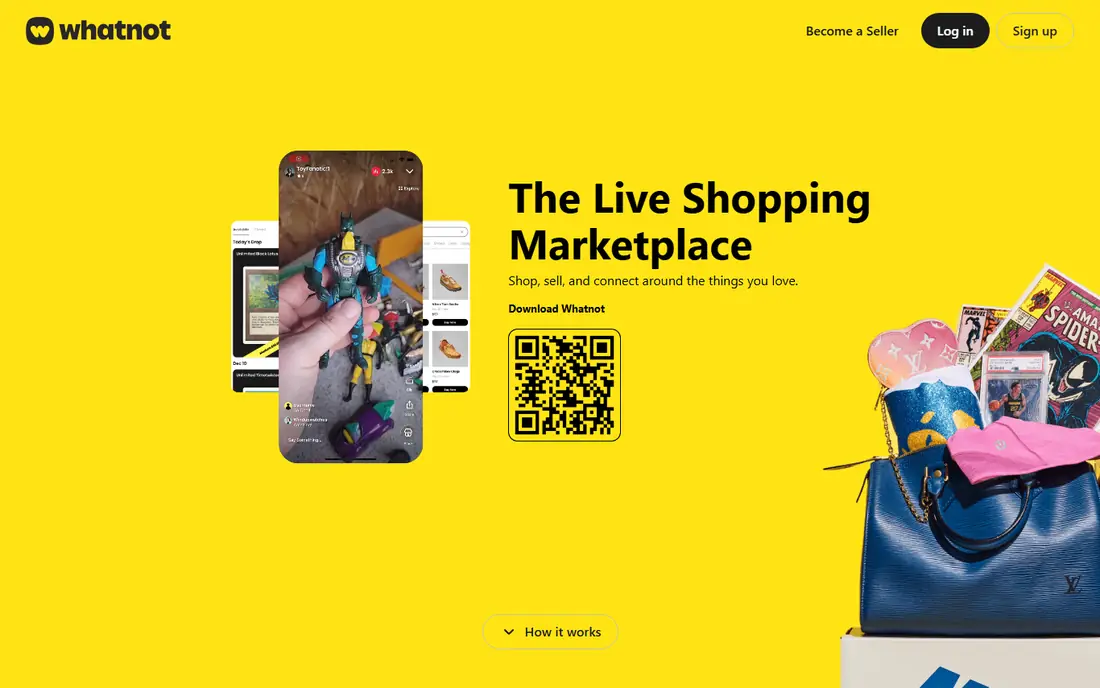
Whatnot is a live shopping app where sellers run shows, take bids in real time and build a following. For sports cards, the standard US commission is 8 percent of the sale price plus payment processing of 2.9 percent plus 0.30 dollars per order in recent listings, with a commission cap on high-value trading card sales. There are no listing fees, which helps sellers with many items.
The catch is effort and approval. Sellers need to apply, and live shows reward presentation, pacing and audience building. A seller who dislikes being on camera may do better with fixed-price listings. Whatnot fits social sellers with a steady stream of cards and the time to run shows.
- Live auction energy
- 8 percent commission on many sales
- No listing fees
- Needs a seller application
- Live selling takes time and presentation skill
MySlabs is a peer-to-peer marketplace focused on graded cards, sealed wax and memorabilia, with a seller fee of about 3 percent plus payment processing in recent listings. That low fee makes a real difference on a 200 dollar graded card compared with eBay. Listings are simple, and buyers on MySlabs tend to know the hobby, which can reduce lowball offers and condition disputes.
The limitation is audience size. MySlabs has fewer buyers than eBay, so a niche card may take longer to sell. It also mainly suits graded cards and sealed wax, not raw commons. MySlabs is a strong second channel for graded cards, especially when the seller already has a buyer base or a card that will sell on its own merits.
- Low seller fee
- Focused graded-card audience
- Simple listings
- Smaller buyer pool than eBay
- Mainly graded cards and sealed wax
Fanatics Collect, formerly PWCC Marketplace, offers fixed-price and auction listings plus vault storage, so a seller can store a card and list it without shipping it back and forth. Weekly auctions give predictable liquidity for modern graded cards, and the Fanatics link to Topps gives the platform brand weight in the hobby. It suits sellers with modern, mid- to high-end cards.
The platform is still building depth in some segments, and its fee structure should be confirmed on the vendor site before consigning a high-value card. Fanatics Collect fits sellers who want auction liquidity and vault convenience, especially for modern PSA 10 cards and similar liquid items.
- Weekly auctions
- Vault storage
- Fanatics brand and Topps links
- Still building buyer depth in some segments
- Fee structure should be confirmed
Mercari is a general resale app that works well for lower-value sports cards and mixed lots, since listings are fast on mobile and prepaid labels simplify shipping. A seller clearing a box of commons or a few mid-value cards can list quickly without learning a hobby-specific platform. The broad audience also helps everyday items find a buyer.
The drawback is that Mercari is less hobby-focused than eBay, Whatnot or MySlabs, so a rare card may get less informed attention. Seller fees also apply on the item price in recent listings. Mercari fits quick, lower-value sales, not high-end graded cards that need a specialized buyer pool.
- Fast mobile listings
- Prepaid labels
- Broad general audience
- Seller fee on item price
- Less hobby-focused than eBay or MySlabs
Goldin is an auction house for high-end sports cards and memorabilia, now owned by eBay, with a strong audience for vintage grails and record-setting cards. Curated auctions can attract serious collectors who might not browse a general marketplace. For a card worth thousands of dollars, that audience can matter more than a low fee.
The trade-off is process and cost. Auctions involve consignment, cataloging and a schedule, and buyer premiums affect what a buyer is willing to bid. Goldin fits sellers with high-value cards that deserve a curated auction, not everyday cards that would sell faster on eBay or Mercari.
- High-end auction audience
- Strong for vintage and record cards
- Curated listings
- Higher buyer premiums affect final prices
- Consignment process takes time
StarStock is a marketplace for sports cards, with a focus on graded cards and vault-based trading that lets buyers and sellers move cards without repeated shipping. That model suits collectors who trade often and want to keep cards in a vault between sales. The hobby-focused audience also helps graded cards find informed buyers.
The limitation is audience size compared with eBay, and fee and payout terms should be confirmed on the vendor site before listing a high-value card. StarStock fits graded-card collectors who want a vault option and a focused marketplace alongside eBay.
- Marketplace for graded cards
- Vault and trading options
- Hobby-focused buyers
- Smaller audience than eBay
- Fee and payout terms should be confirmed
How we picked these
We compared official platform and fee pages with recent hobby guides, and we favored platforms that are still operating in the US in October 2026. We mixed general marketplaces, live selling, consignment and auction houses so readers can match the platform to card value and effort. Where fees conflicted across sources, we described the general structure and advised checking the current fee page. We did not claim hands-on testing. This is not financial advice; card values can fall as well as rise.
What to check before you sell
Price from sold listings, not asking prices, and pay close attention to grade, year, set, variation and centering. Photograph the front, back, corners and edges in good light, and describe flaws honestly, since a return costs time and shipping. For cards under 20 dollars, eBay Standard Envelope can keep shipping low, while higher-value cards need a bubble mailer, tracking and insurance.
Check fees, payout timing and authentication thresholds before you list. A low commission on a small audience can net less than a higher commission on a large audience if the card sells for less. For peer-to-peer sales outside a marketplace, use a payment method with buyer and seller protection, and avoid friends-and-family payments that offer no dispute recourse.
Frequently asked questions
What is the best app to sell sports cards?
eBay is the best general pick for most sellers because of its audience and sold-price data, while MySlabs suits low-fee graded sales and Whatnot suits live selling. The best platform depends on card value, grade and how much time you want to spend selling.
What is the best platform to sell sports cards for beginners?
eBay and Mercari are the easiest starting points, with fast listings and large audiences. MySlabs is also simple for graded cards, while COMC suits sellers who want a hands-off bulk option.
How much does it cost to sell sports cards on eBay?
Trading cards on eBay carry a final value fee of 13.25 percent plus a per-order fee in recent listings, with extra costs for promoted listings and shipping supplies. Check the current eBay fee page before pricing a high-value card.
Should I grade a card before selling it?
Grading can help for cards in strong condition with clear market demand, but grading costs money and time, and a low grade can sell for less than a raw card. Check sold prices for the same card in both raw and graded form before submitting.
How do I ship a sports card safely?
Use a penny sleeve, a top loader or card saver, and a bubble mailer, with tracking on higher-value sales. For cards under 20 dollars, eBay Standard Envelope offers tracked shipping at a lower cost, while higher-value cards need stronger packaging and insurance.
Sources
See where you really rank - block by block
ProMapRanker scans Google Maps across a grid of your service area. Simple monthly plans from $19, white-label on every plan.
Start freeKeep reading
 zscaler alternatives
Best Zscaler Alternatives in 2026
Looking for zscaler alternatives? We compare 9 SASE and zero trust platforms on architecture, data protection, pricing, and fit for your network and team.
Read → zapier alternatives free
Best Zapier Alternatives Free in 2026
Nine automation tools for zapier alternatives free in 2026, all with genuinely free tiers, plus free plan limits, starting prices and upgrade paths explained.
Read → which platform is best for online reputation
Which Platform Is Best for Online Reputation in 2026
Wondering which platform is best for online reputation? We compare 8 review, listing, and response tools for small and multi-location businesses and agencies.
Read →