 ProMapRanker
Best App to Learn Russian for Free in 2026

Key takeaways
- Duolingo is the best free starting point for Russian, with a full course, Cyrillic practice, and short daily lessons.
- Memrise, Drops, and Clozemaster cover vocabulary and sentence exposure, while Busuu and LingQ add community feedback and reading.
- Anki is best for long term retention of Russian words and cases, with free desktop and Android versions.
- RussianPod101 and Tandem add listening and real conversation, which free course apps cover less well.
- Russian grammar, especially cases, needs a second resource, since most free apps teach patterns through examples rather than rules.
Quick comparison
| Pick | Great for | Pricing starts at | Free tier | |
|---|---|---|---|---|
 Duolingo | Free Russian course | Free | Yes | Visit |
 Memrise | Vocabulary and listening | Free | Yes | Visit |
 Busuu | Community feedback | Free | Yes | Visit |
 Clozemaster | Sentence exposure | Free | Yes | Visit |
 Drops | Visual vocabulary bursts | Free | Yes | Visit |
 LingQ | Reading and listening | Free | Yes | Visit |
 RussianPod101 | Podcast style listening | Free | Yes | Visit |
 Anki | Spaced repetition retention | Free | Yes | Visit |
 Tandem | Language exchange conversation | Free | Yes | Visit |
The best app to learn russian for free
We kept only apps with a genuine free tier for Russian, not a trial that ends after a week. Each pick below offers a different strength, from Cyrillic basics to conversation, so you can combine two free apps rather than paying for one large course at the start.
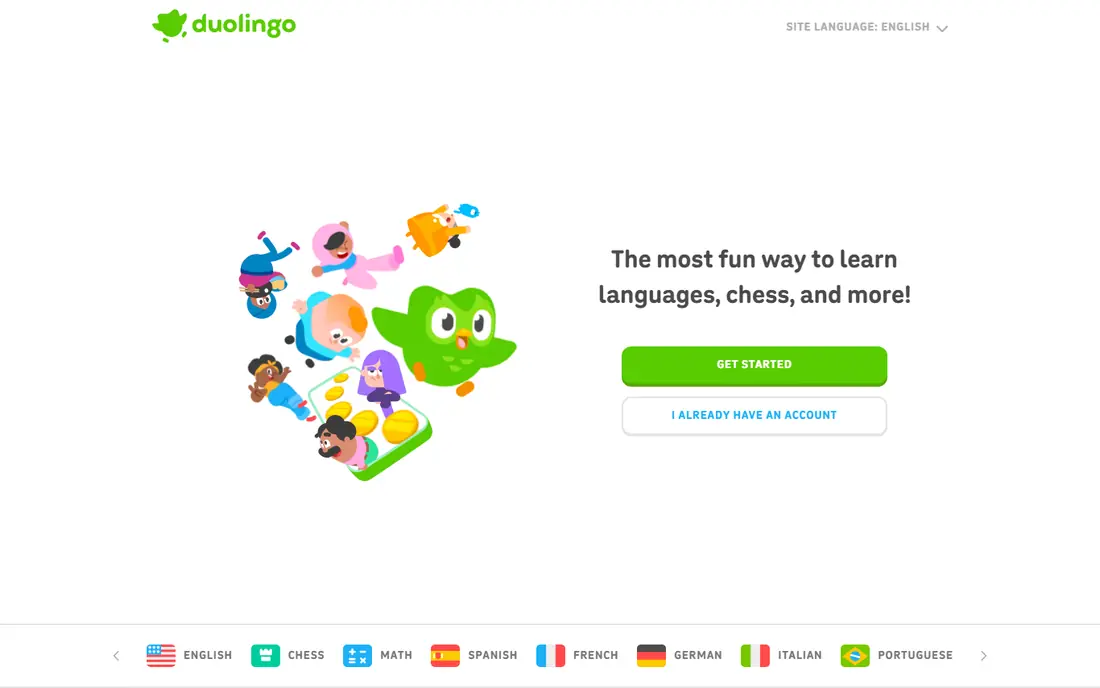
Duolingo is the best free app to learn Russian for most beginners, because its free tier covers a full course rather than a sample. Lessons teach the Cyrillic alphabet through tracing and sound association, then build vocabulary and simple sentences in short sessions. Streaks and leagues help many learners return daily, which is the hardest part of starting Russian.
Grammar is the limit. Russian cases and verb aspects appear through examples, not through systematic rules, so serious learners will need a grammar guide alongside Duolingo. Speaking practice is also thin compared with tutor or exchange apps. For a free daily habit and a gentle start, Duolingo is our pick.
- Full Russian course on free tier
- Cyrillic writing system practice
- Short gamified lessons with streaks
- Ads on free tier
- Grammar explanations stay shallow
- Speaking practice is limited
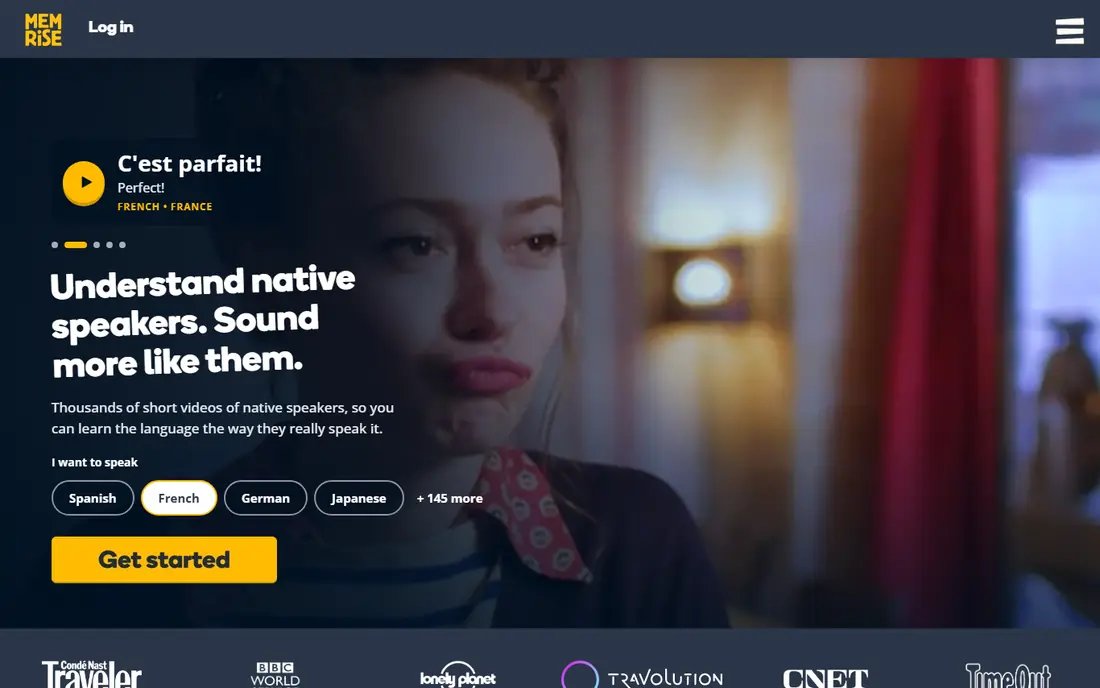
Memrise focuses on vocabulary and listening, with short clips that show Russian words used by real speakers. That context helps learners connect a word to a voice and a situation, rather than to a translation alone. The free tier covers basic lessons, which is enough to build early vocabulary and test whether the method suits you.
The full library needs a paid plan, and grammar and sentence building are thinner than in a structured course. Think of Memrise as a vocabulary companion to Duolingo, not as a complete Russian course on its own. For daily word practice with listening, it is quick and effective.
- Free basic Russian lessons
- Video clips from native speakers
- Short vocabulary sessions with review
- Full course library needs a paid plan
- Grammar depth is limited
- User content quality can vary
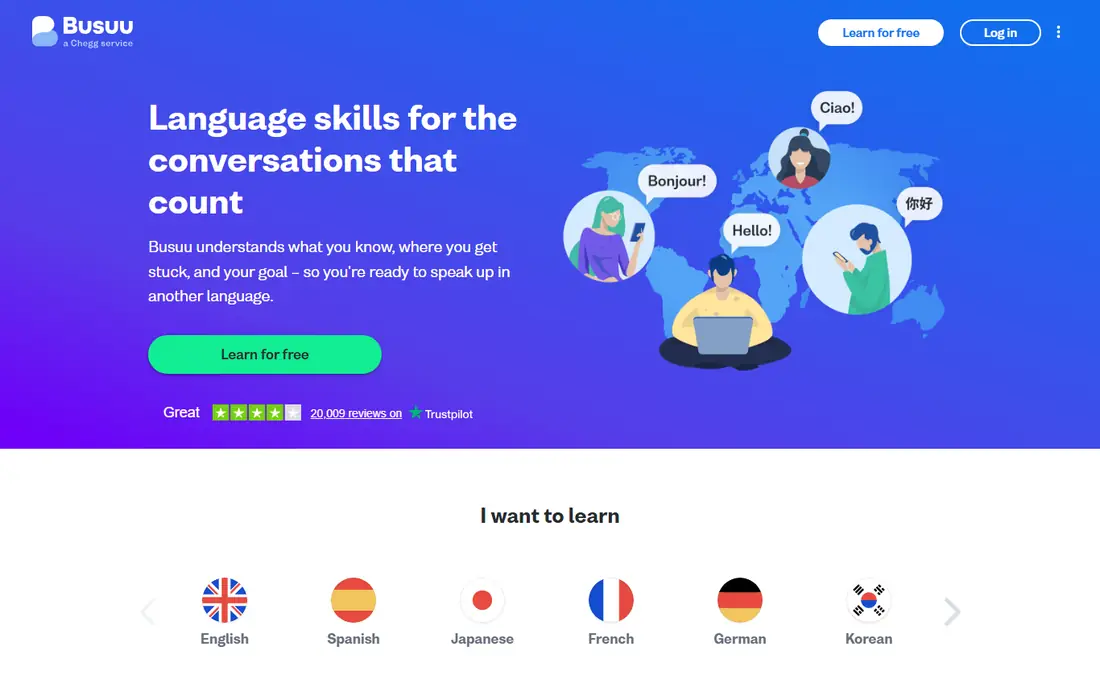
Busuu offers a structured Russian course with a free tier for core lessons, plus community feedback on writing and speaking exercises. Native speakers can correct your work, which gives free learners a human check that most course apps lack. The course progression is clearer than a purely vocabulary app, with lessons that build in order.
Full course access, offline mode, and advanced features need a paid plan, and community feedback depends on other users responding. Still, for free learners who want structure plus human corrections, Busuu is a strong second app beside Duolingo. Check the current free tier on the Busuu site, since lesson access varies by plan.
- Free tier for core lessons
- Community corrections from native speakers
- Structured course progression
- Full course and offline features need a paid plan
- Speaking practice depends on community response
- Some lessons are brief
Clozemaster teaches Russian through sentences with a missing word, which forces you to use context, case endings, and vocabulary together. That format suits learners who already know Cyrillic and basic words, and who want to move from isolated vocabulary to real sentences. The free tier offers substantial sentence practice without a subscription.
Complete beginners may find Clozemaster hard, since it assumes basic knowledge and offers little step by step teaching. Grammar is learned through exposure, so a grammar reference helps alongside it. For intermediate learners, Clozemaster is one of the best free apps to learn Russian, because sentence exposure builds reading speed and case awareness.
- Free sentence based practice
- Large Russian sentence collection
- Good for intermediate learners after basics
- Less guidance for complete beginners
- Grammar is learned through exposure, not explanation
- Interface is plain
Drops teaches Russian vocabulary in five minute visual sessions, with images, audio, and word matching games. The short format suits a daily burst, and the visual method helps with Cyrillic words that look unfamiliar at first. A free tier gives you a daily session, which is enough to build a steady vocabulary habit.
The free session is time limited, and Drops does not teach grammar, sentences, or conversation. Use it as a supplement to a course app, for example Duolingo for structure plus Drops for vocabulary. For quick visual word practice, Drops is a clean and focused free option.
- Five minute visual vocabulary sessions
- Cyrillic and word images
- Free daily session without payment
- Free tier limits daily time
- Vocabulary only, with no grammar or conversation
- Best as a supplement
LingQ lets you read and listen to Russian texts, with clickable words that show translations and save vocabulary for review. That reading first method suits learners who want to move beyond course sentences into real texts, podcasts, and stories. Audio paired with text helps listening, since you can follow along while you hear natural speech.
The free tier limits how many words you can save and how many lessons you can import, so heavy readers will need a paid plan. LingQ also works best after you can read Cyrillic, since early lessons assume basic alphabet knowledge. For free reading and listening practice, LingQ is a valuable next step after Duolingo.
- Free tier for reading and listening
- Russian texts with clickable vocabulary
- Audio paired with text
- Free tier limits vocabulary imports and lessons
- Interface takes time to learn
- Best after basic Cyrillic
RussianPod101 offers podcast style Russian lessons by level, with a free account that gives access to a large audio library. Lessons cover survival phrases, grammar points, and cultural notes, with hosts explaining usage in English before Russian examples. That format suits commutes and listening practice, especially for learners who enjoy audio learning.
Full lesson notes, transcripts, and premium study tools need a paid plan, and passive listening alone will not build reading or writing skill. Pair RussianPod101 with a course app for structure, and use its lessons for listening and cultural context. For free Russian listening, it is a strong and long running choice.
- Free account with podcast style lessons
- Large audio library by level
- Cultural notes alongside language lessons
- Full lesson notes and premium features need a paid plan
- Audio format needs active study, not just listening
- Site can feel busy
Anki uses spaced repetition to schedule Russian words, phrases, and case forms again just before you forget them. That method is especially useful for Russian, where vocabulary, gender, and case endings need repeated review. The desktop and Android versions are free, and shared decks cover Russian vocabulary and common phrases.
The interface is plain, and new users need time to learn decks, cards, and review settings. The iOS app is a separate paid purchase, which matters if you study mainly on an iPhone. For learners who want to retain what they learn, Anki is the best free retention tool on this list, and it pairs well with any course app.
- Free on desktop, web, and Android
- Spaced repetition for words and cases
- Shared Russian decks available
- Plain interface takes time to learn
- IOS app is a paid purchase
- You must build or choose good decks
Tandem connects you with native Russian speakers for language exchange, where you help each other practise. Text, voice, and video chat options let you move from writing to speaking when you are ready, and a tutor option exists for paid lessons. That real conversation fills the gap left by course apps, which rarely offer live speaking practice for free.
Exchange quality depends on finding a reliable partner, and there is no structured course to follow, so Tandem works best after basic vocabulary and Cyrillic. Take care with strangers online, keep personal details private, and use the app reporting and blocking tools if needed. For free speaking practice, Tandem is the most practical option here.
- Free language exchange with native speakers
- Text, voice, and video chat options
- Tutor option for paid lessons
- Conversation quality depends on partners
- No structured course
- Safety and matching need care with strangers
How we picked these
We compared official free tier descriptions, pricing pages, and app store listings, and kept only apps with a free tier that covers real Russian learning. Apps that only offered a short trial were left out, even when their paid courses are strong. We also favoured a mix of course, vocabulary, reading, listening, retention, and conversation tools, since no single free app covers all of Russian well.
Building a free Russian routine that covers the gaps
Start with a course, then add one companion
Start with Duolingo for a daily course habit, then add one companion that fills your weakest area. Add Memrise or Drops for vocabulary, Clozemaster for sentences, LingQ for reading, RussianPod101 for listening, Anki for retention, or Tandem for speaking. Two free apps are enough at first, and adding more will split your time.
Learn Cyrillic first, then cases in small steps
Spend your first weeks on Cyrillic reading and basic words, since every later skill depends on reading the alphabet. Then learn cases in small steps, one case at a time, with examples and Anki review, rather than trying to memorise all six cases at once. A free grammar guide or textbook alongside an app will help more than app examples alone.
Practise speaking early, even if it feels rough
Use Tandem or Busuu community feedback once you can form simple sentences, even if your Russian feels rough. Short, regular speaking practice builds confidence faster than waiting until you feel ready. Keep exchanges short, prepare a few sentences in advance, and ask partners to correct one or two errors per session.
Frequently asked questions
What is the best free app to learn Russian?
Duolingo is the best free app to learn Russian for most beginners, with a full course, Cyrillic practice, and short daily lessons. Memrise is a strong vocabulary companion, and Anki is best for retention. For speaking, add Tandem once you know basic words and sentences.
What is the best free app to learn Russian for beginners?
Duolingo and Memrise suit beginners best, because they teach Cyrillic, basic vocabulary, and simple sentences in short sessions. Drops also suits beginners for visual vocabulary. Avoid starting with Clozemaster or LingQ until you can read Cyrillic and know basic words, since they assume that foundation.
Can I learn Russian for free without paying?
Yes, you can learn Russian basics for free with Duolingo, Memrise, Busuu, Drops, LingQ, RussianPod101, Anki, and Tandem, each with a genuine free tier. Paid plans add full libraries, offline mode, and premium tools, but they are not needed to start. For grammar depth and advanced conversation, a paid course or tutor may help later.
What is the best app to learn Russian free with speaking practice?
Tandem is best for free speaking practice, through language exchange with native speakers. Busuu community feedback also gives human corrections on writing and speaking exercises. Course apps alone offer limited speaking practice, so an exchange app is the best free way to practise real conversation.
How long does it take to learn Russian with a free app?
Progress depends on daily time, consistency, and whether you add grammar and speaking practice. A short daily habit can build Cyrillic reading, basic vocabulary, and simple sentences within a few months, while fluency takes much longer and needs reading, listening, and conversation beyond any single app. Treat a free app as a starting habit, not a complete course.
Sources
- https://www.duolingo.com
- https://www.memrise.com
- https://www.busuu.com
- https://www.clozemaster.com
- https://languagedrops.com
- https://www.lingq.com
- https://www.russianpod101.com
- https://apps.ankiweb.net
- https://www.tandem.net
- https://russiandeclensions.com/learn/articles/top-10-apps-russian
- https://lingopie.com/blog/best-apps-to-learn-russian/
See where you really rank - block by block
ProMapRanker scans Google Maps across a grid of your service area. Simple monthly plans from $19, white-label on every plan.
Start freeKeep reading
 zscaler alternatives
Best Zscaler Alternatives in 2026
Looking for zscaler alternatives? We compare 9 SASE and zero trust platforms on architecture, data protection, pricing, and fit for your network and team.
Read → zapier alternatives free
Best Zapier Alternatives Free in 2026
Nine automation tools for zapier alternatives free in 2026, all with genuinely free tiers, plus free plan limits, starting prices and upgrade paths explained.
Read → which platform is best for online reputation
Which Platform Is Best for Online Reputation in 2026
Wondering which platform is best for online reputation? We compare 8 review, listing, and response tools for small and multi-location businesses and agencies.
Read →