 ProMapRanker
Best App to Learn Hebrew in 2026

Key takeaways
- Duolingo is the best free starting point for a daily Hebrew habit, while Pimsleur leads for speaking and listening.
- Hebrew has a different alphabet and a right to left script, so an app that teaches letters early will save you frustration later.
- Mango Languages and HebrewPod101 give more grammar and cultural context than a game style app alone.
- No single app takes you to fluency, so pair app practice with real conversation, reading, or tutoring as you advance.
- Check whether an app teaches modern Hebrew, Biblical Hebrew, or both, since vocabulary and usage differ.
Quick comparison
| Pick | Great for | Pricing starts at | Free tier | |
|---|---|---|---|---|
 Duolingo | Daily habit and beginners | Free | Yes | Visit |
 Pimsleur | Speaking and listening practice | $19.95 per month | Free trial | Visit |
 Rosetta Stone | Immersive visual learning | $14.95 per month | No | Visit |
 Mango Languages | Structured lessons with grammar notes | $7.99 per month | Free trial | Visit |
 HebrewPod101 | Video and audio lessons with culture | $4 per month | Free trial | Visit |
 Drops | Visual vocabulary in short sessions | See website | Yes | Visit |
 Mondly | Game style lessons for beginners | $12.99 per month | Yes | Visit |
 LingQ | Reading and listening to real content | Free | Yes | Visit |
 Memrise | Memory based vocabulary review | See website | Yes | Visit |
 Clozemaster | Grammar in context for intermediates | Free | Yes | Visit |
The best app to learn Hebrew
Hebrew is a rewarding language to learn, and it is also a challenging first step, because the alphabet is different, text runs right to left, and vowel marks change how a word sounds. The best app for you depends on whether you want to speak, read, pray, travel, or connect with family, and on how much time you can give each day. We compared official pricing, course structure, and public reviews to build this list for modern Hebrew learners, with notes where an app also covers Biblical Hebrew.
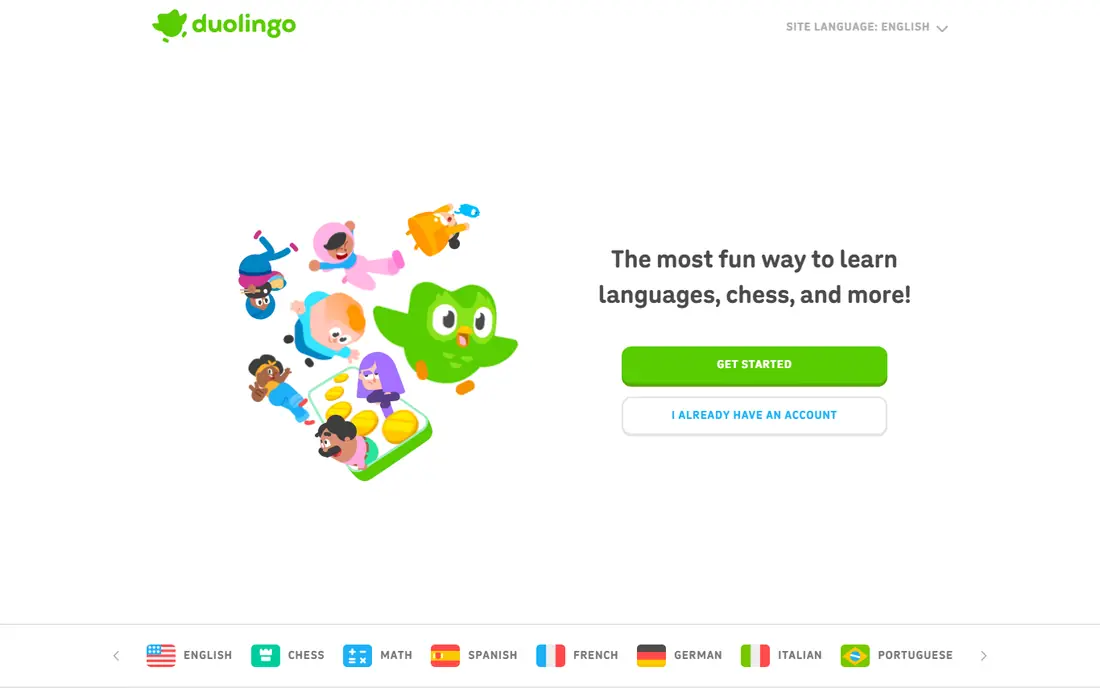
Duolingo is the easiest place to start learning Hebrew, and the best pick if you want a free daily habit. Lessons are short, gamified, and built around streaks and levels, which helps many learners practise for a few minutes every day rather than in rare long sessions. The Hebrew course introduces the alphabet and basic vocabulary in a gentle order, so a complete beginner does not feel lost in week one.
The free tier covers core lessons with ads, while Super is reported at $12.99 per month or $83.99 per year in the sources we reviewed. The catch is depth. Grammar is taught mainly through patterns rather than clear rules, and there is no live tutor guidance, so learners who want to hold a real conversation will need to add speaking practice elsewhere. As a first app, though, Duolingo is hard to beat.
- Free core lessons
- Short gamified sessions
- Teaches Hebrew script early
- Grammar explanations are thin
- Depth is limited beyond beginner levels

Pimsleur is our pick for learners who want to speak Hebrew, not just recognise words on a screen. Its 30 minute audio lessons use spaced repetition and guided conversation, asking you to respond out loud as the lesson builds. That format suits commutes, walks, and chores, and it builds listening confidence faster than a text heavy app.
Premium is reported at $19.95 per month or around $150 to $165 per year in the sources we reviewed, with a 7 day free trial. The price is high for one language, and reading and writing receive less attention than speaking, so pair Pimsleur with a script focused tool if reading matters to you. If your goal is to understand and answer in conversation, Pimsleur is still the strongest audio option here.
- Strong audio based speaking practice
- Spaced repetition
- Offline lessons
- Expensive for a single language
- Reading and writing get less attention
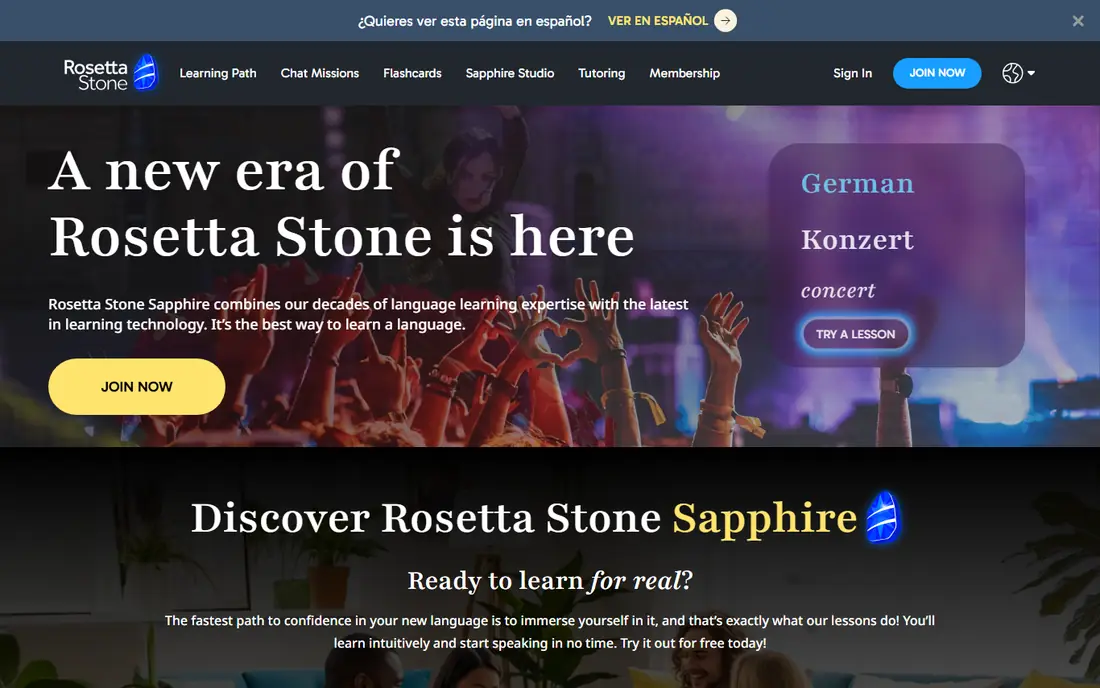
Rosetta Stone teaches Hebrew through images, audio, and context, without translating everything into English first. That immersion style suits visual learners who want to think in Hebrew rather than translate word by word, and its pronunciation feedback helps with sounds that do not exist in English. The Hebrew course introduces the script gradually, with practical, real life situations.
Pricing in the sources we reviewed is $14.95 per month for three months, $10.95 per month for 12 months, and around $399 for a lifetime plan. The main limit is depth. With a smaller set of lessons and a ceiling near low intermediate level, serious learners will need another resource to go further. As a confident, structured start, Rosetta Stone remains a solid choice.
- Immersion method with clear audio
- Pronunciation feedback
- Lifetime option
- Grammar rules are not explained directly
- Content ceiling is beginner to low intermediate
Mango Languages is a strong pick for learners who want more structure than Duolingo without paying Pimsleur prices. Lessons are organised by conversation goals and grammar goals, with cultural notes woven in, and the catalogue includes both modern Hebrew and Biblical Hebrew, which matters if your goal is reading scripture rather than daily conversation. Single language pricing is $7.99 per month in the sources we reviewed, with a 14 day free trial.
Many learners can also access Mango free through a local library, school, or organisation, so check that option before paying. The lesson format can feel repetitive over time, and writing practice is limited, but for a clear, affordable, grammar aware course, Mango is one of the best values in this list.
- Clear grammar and culture notes
- Modern and Biblical Hebrew options
- Library access may be free
- Lesson format can feel repetitive
- Writing practice is thin
HebrewPod101 is built around recorded audio and video lessons, with lesson notes, vocabulary lists, and grammar explanations alongside each lesson. That structure suits learners who like a teacher led course rather than a game, and it covers all levels, from absolute beginner to advanced, with cultural notes that explain how phrases are used in Israel. Basic pricing starts from $4 per month in the sources we reviewed, with higher tiers up to around $47 per month.
The library is large, which is both a strength and a weakness. New learners can feel unsure where to start, so use the learning paths and placement guidance rather than browsing at random. If you enjoy podcast style learning and want a course that grows with you, HebrewPod101 offers more long term depth than most game style apps.
- Structured lessons from beginner to advanced
- Cultural context
- Lesson notes and vocabulary lists
- Lesson library is large and can feel overwhelming
- Higher tiers rise in price
Drops is the pick for learners who want to build Hebrew vocabulary in short, visual bursts. Sessions last about five minutes, with illustrations paired to words, which helps with recognising Hebrew letters and remembering everyday nouns and verbs. That format suits busy learners who can fit one session into a break, and it works well as a second app alongside a main course.
The free tier limits daily session time, while premium pricing is reported around $13 per month in some sources, so we list it as See website to avoid stating a price that may vary by store and promotion. Drops will not teach you grammar or conversation on its own, and it should not be your only app if speaking is your goal. As a vocabulary booster, it is enjoyable and effective.
- Beautiful visual vocabulary drills
- Five minute sessions fit busy days
- Good for script recognition
- Focus is vocabulary, not grammar or conversation
- Full access needs a premium plan
Mondly offers colourful, game style Hebrew lessons with daily practice, topic modules, and chatbot conversation practice. Its audio is clear, and seeing Hebrew letters in interactive exercises helps beginners grow comfortable with the script. Free access gives a taste of the course, while Premium is reported at $12.99 per month or $47.99 per year in the sources we reviewed, with lifetime deals sometimes offered.
The main limits are familiar for game style apps. Grammar stays in the background, speech recognition can be uneven, and advanced content is scarce, so Mondly works best as a motivating start rather than a complete course. If Duolingo feels too simple and Pimsleur feels too serious, Mondly sits in a fun middle ground.
- Playful daily lessons
- Clear audio
- Chatbot and augmented reality practice
- Grammar stays light
- Speech recognition can be uneven
- Advanced content is limited
LingQ takes a different approach from most apps here. Instead of a fixed lesson path, it lets you read and listen to real Hebrew content, look up unknown words, and track the vocabulary you are learning. That immersion in real texts suits intermediate learners who already know the alphabet and basic grammar and want to move toward reading news, stories, or other authentic material.
The free tier covers core reading and listening, while premium is reported at $12.99 per month in the sources we reviewed. Complete beginners may find LingQ unstructured, since it does not teach the script step by step in the same way Duolingo or Mango does. Pair it with a structured beginner course first, then use LingQ to grow reading fluency.
- Learn from real texts and audio
- Vocabulary tracking
- Good for intermediates
- Less structured for complete beginners
- Best with content you choose yourself
Memrise is best known for memory based vocabulary review, using spaced repetition and short video clips of native speakers to help words stick. For Hebrew, that video element helps with pronunciation and natural phrasing, since you hear and see how words are used by real speakers, not just a synthetic voice. The free tier covers core review, while paid plans add full features, with prices varying by store and promotion, so we list it as See website.
Course depth for Hebrew varies, and Memrise is not a full grammar course on its own. Use it to reinforce vocabulary from your main course, especially for words you keep forgetting. As a review tool, its spaced repetition system is one of the most effective in this list.
- Strong spaced repetition for vocabulary
- Video clips of native speakers
- Community courses
- Hebrew course depth varies
- Full features need a paid plan
Clozemaster teaches grammar and vocabulary through fill in the blank sentences drawn from real language use. That context based approach suits intermediate and advanced Hebrew learners who already know the alphabet and want to see how grammar works in sentences, rather than memorising rules in isolation. The free tier is useful, while Pro is reported at $8.00 per month in the sources we reviewed.
Complete beginners should not start here, since Clozemaster assumes basic reading ability and does not teach the script from scratch. As a second stage tool, after Duolingo, Mango, or Pimsleur, it is an excellent way to turn passive knowledge into active grammar skill.
- Grammar learned through real sentences
- Good for intermediate to advanced learners
- Free tier is useful
- Not suitable for complete beginners
- No structured speaking course
How we picked these
We compared official pricing, course structure, and public reviews, and we favoured apps that are live in October 2026, offer a real Hebrew course, and fit a clear learning goal. We excluded general language apps that do not offer Hebrew, such as Babbel, and we left prices as See website where prices vary by store, promotion, or source. We did not claim hands on testing, and we treated fluency claims with care, since no app alone produces fluency.
How to learn Hebrew with an app
Start by learning the alphabet before you worry about speed. Hebrew letters, vowel marks, and right to left reading feel strange for a week, then become automatic with daily practice. Choose an app that teaches letters explicitly, such as Duolingo, Mango, or Rosetta Stone, and practise reading aloud, even slowly, so your eyes and ears learn together.
Next, add speaking early, even if it feels awkward. Pimsleur, a tutor, or a language exchange partner will expose gaps that a screen alone hides, such as pronunciation and listening speed. Ten minutes of speaking a week, from the start, will do more for your confidence than months of silent vocabulary drills.
Finally, set a realistic daily goal and a weekly review. Fifteen minutes a day, every day, beats two hours once a week, and a weekly review of words you missed will keep old vocabulary from fading. When you reach intermediate level, add real reading and listening through LingQ or HebrewPod101, and consider a tutor for conversation practice.
Frequently asked questions
What is the best app to learn Hebrew for free?
Duolingo is the best free app to learn Hebrew for most beginners, since its core lessons are free and it teaches the script from the start. Mango Languages may also be free through a local library, and Clozemaster and LingQ offer useful free tiers for learners who already know the basics.
What is the best Hebrew learning app for speaking?
Pimsleur is the best app for speaking and listening, thanks to its audio based lessons and spaced repetition. It asks you to respond out loud throughout each lesson, which builds conversation confidence faster than a text only app.
Can I learn Hebrew with Duolingo alone?
Duolingo is a good start for vocabulary, script, and daily habit, but it is unlikely to take you to conversational fluency alone. Pair it with speaking practice, grammar notes from Mango or HebrewPod101, and real reading as you advance, and you will progress much further.
Is Hebrew hard to learn for English speakers?
Hebrew presents real challenges, including a new alphabet, right to left text, and sounds that do not exist in English. It also has advantages, such as a relatively regular verb system once you learn its patterns, and a daily app habit plus speaking practice makes steady progress realistic.
What is the difference between modern Hebrew and Biblical Hebrew?
Modern Hebrew is the living language spoken in Israel today, used for conversation, work, media, and daily life. Biblical Hebrew is the older language of scripture, with different vocabulary and usage, so check whether an app teaches modern, Biblical, or both before you subscribe.
How long does it take to learn Hebrew with an app?
Progress depends on daily time, prior language experience, and whether you add speaking practice. With 15 to 30 minutes a day, most learners can read basic Hebrew and handle simple conversations within several months, while comfortable fluency takes longer and needs real conversation and reading beyond any single app.
Sources
- https://www.duolingo.com
- https://www.pimsleur.com
- https://www.rosettastone.com
- https://mangolanguages.com
- https://www.hebrewpod101.com
- https://languagedrops.com
- https://www.mondly.com
- https://www.lingq.com
- https://www.memrise.com
- https://www.clozemaster.com
- https://preply.com/en/blog/best-apps-to-learn-hebrew/
See where you really rank - block by block
ProMapRanker scans Google Maps across a grid of your service area. Simple monthly plans from $19, white-label on every plan.
Start freeKeep reading
 zoho inventory alternatives
6 Alternatives to Zoho Inventory, Compared on Price and Fit
Zoho Inventory alternatives: 6 tools compared on price, free plans and fit. Katana leads the list for manufacturers. Fit and flaws are laid out for each entry.
Read → zoho crm alternatives
Best Zoho CRM Alternatives (2026)
Need Zoho CRM alternatives? We compare 7 tools on cost, free access and who each suits. Every pick gets a straight assessment. Built for quick decisions.
Read → zelle alternatives
Best Zelle Alternatives in 2026
Compare the best Zelle alternatives for sending money to friends, paying sellers and moving funds abroad, with honest notes on fees, speed and safety in 2026.
Read →