 ProMapRanker
8 Best Apps to Learn German in 2026

Key takeaways
- Duolingo is the easiest free start for daily habit building, while Babbel gives clearer grammar and conversation structure for beginners.
- Busuu adds native-speaker feedback on writing and speaking, which helps learners who want corrections from real people.
- Pimsleur suits audio learners and commuters, while LingQ suits readers who learn from stories, news, and podcasts.
- Rosetta Stone uses immersion without translation, which works for vocabulary but explains German cases less directly.
- No single app covers speaking, grammar, and real conversation alone, so pair a core app with conversation practice.
Quick comparison
| Pick | Great for | Pricing starts at | Free tier | |
|---|---|---|---|---|
 Duolingo | Daily habit building | Free | Yes | Visit |
 Babbel | Structured grammar and conversation | See website | No | Visit |
 Busuu | Native-speaker feedback | Free | Yes | Visit |
 Rosetta Stone | Immersion and vocabulary | See website | No | Visit |
 Pimsleur | Audio-first learning | See website | Free trial | Visit |
 Memrise | Real native-speaker video | Free | Yes | Visit |
 LingQ | Learning from real content | See website | Yes | Visit |
 italki | One-to-one tutoring | See website | No | Visit |
The best app to learn german
German needs clear grammar, especially cases and word order, plus speaking practice, so the best app depends on how you learn and how much time you have each day.
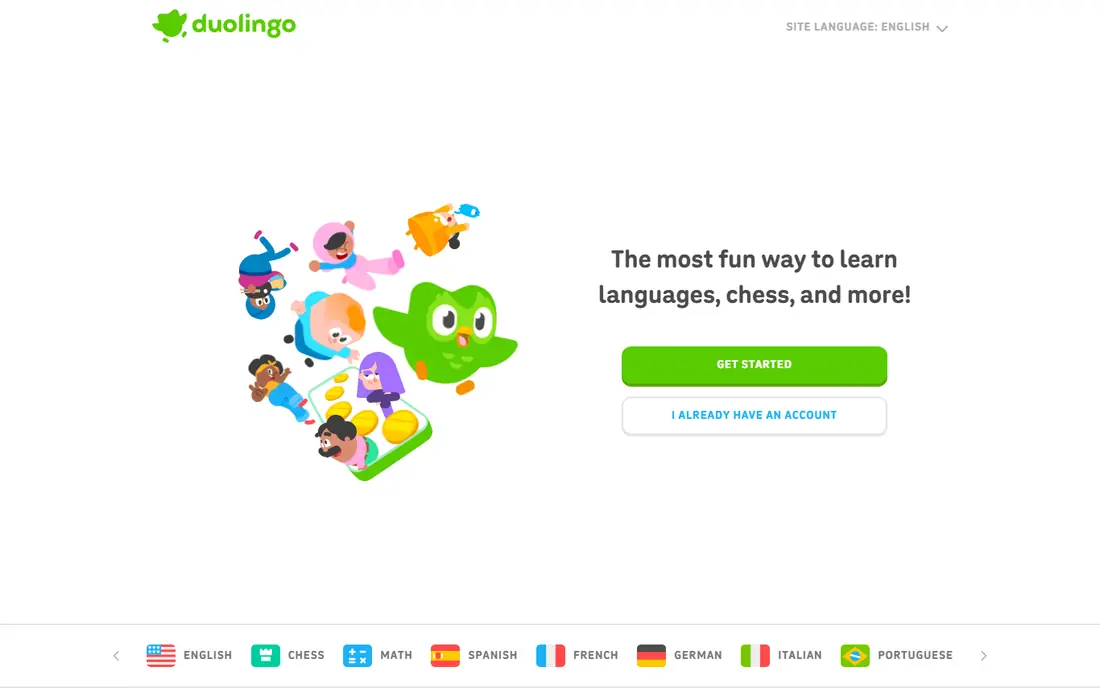
Duolingo is the easiest way to start German and keep going, because lessons are short, game-like, and free at the core level. Streaks, levels, and daily goals help beginners build a habit, and the course covers vocabulary, basic grammar patterns, listening, and simple speaking. For a total beginner, that low barrier matters more than depth in the first weeks. Before you commit, test the core workflow with a realistic example from your own work, and note where it saves time and where it adds friction. The weakness appears as learners progress. Grammar is often taught by pattern rather than explanation, which is a problem for German cases, articles, and word order. Duolingo fits beginners and busy learners who want a free daily habit, and it works best alongside a grammar source or conversation practice. Check the current pricing page and terms before you buy, because plans, limits, and included features change over time. Compare two or three options side by side on the same task, because a demo alone rarely shows everyday limits.
- Free core lessons
- Gamified streaks and short lessons
- Speech practice in many lessons
- Grammar explanations are limited
- Speaking and natural conversation get less focus
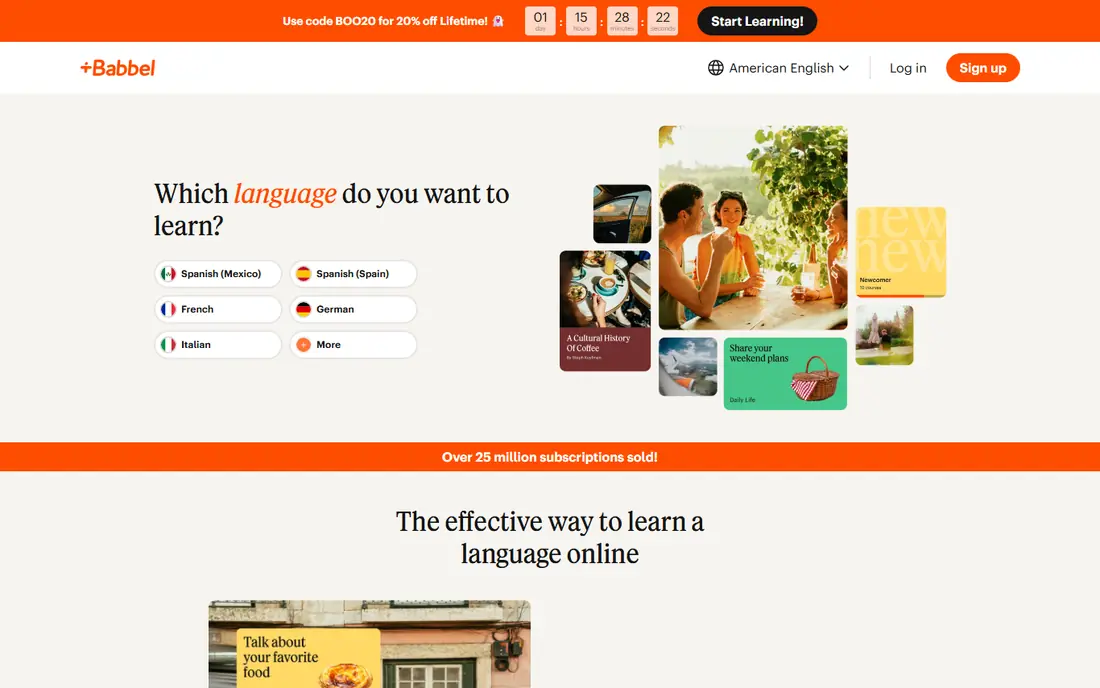
Babbel takes a more classroom-like approach, with short lessons that explain grammar and then use it in realistic dialogues. That structure suits German well, because learners get rules for cases and sentence structure instead of guessing from examples alone. Lessons focus on travel, work, and daily life, so new words appear in useful contexts. Before you commit, test the core workflow with a realistic example from your own work, and note where it saves time and where it adds friction. The drawback is cost. Babbel has limited free access, and regular use needs a subscription. Babbel fits adult beginners and intermediate learners who want a clear path, grammar explanations, and conversation-ready phrases without relying only on games. Check the current pricing page and terms before you buy, because plans, limits, and included features change over time. Compare two or three options side by side on the same task, because a demo alone rarely shows everyday limits.
- Lessons built by language experts
- Clear grammar explanations
- Practical dialogues for real life
- No full free plan
- Less community feedback than Busuu
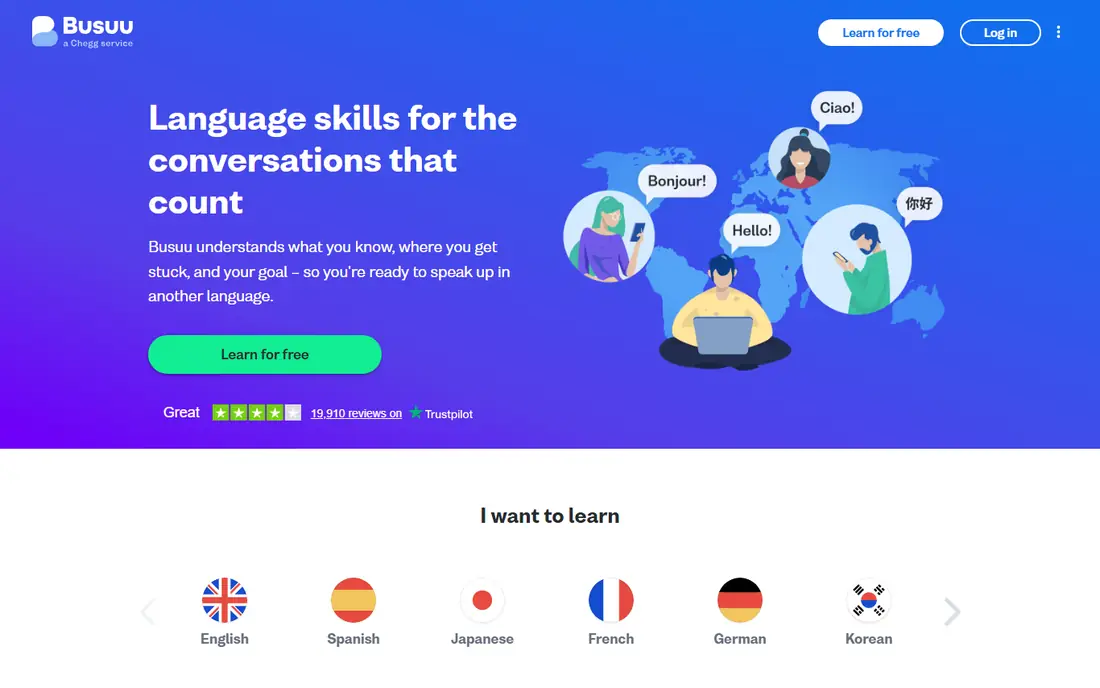
Busuu combines structured lessons with a community feature that sets it apart. Learners submit writing and speaking exercises, and native German speakers can correct them, which gives feedback that automated checks cannot match. Grammar lessons and dialogues follow a clear course path, so learners know what to study next. Check the current pricing page and terms before you buy, because plans, limits, and included features change over time. Compare two or three options side by side on the same task, because a demo alone rarely shows everyday limits. The limit is consistency. Community corrections depend on who replies, and not every submission gets detailed feedback. Busuu fits learners who want guidance plus real human corrections, and who are willing to correct other learners in return as part of the community. Check the current pricing page and terms before you buy, because plans, limits, and included features change over time. Compare two or three options side by side on the same task, because a demo alone rarely shows everyday limits.
- Free basic lessons
- Native-speaker corrections
- Structured courses up to intermediate levels
- Feedback quality varies by reviewer
- Premium features need a paid plan
Rosetta Stone teaches by association, pairing images and audio with German words and sentences, without translation. That method can build vocabulary intuition and listening skills, and its pronunciation tool gives feedback on spoken words. The lesson structure is steady, which helps learners who prefer a single method without many distractions. Before you commit, test the core workflow with a realistic example from your own work, and note where it saves time and where it adds friction. For German, the lack of direct grammar explanation is a real weakness. Cases, gender, and word order are hard to learn from pictures alone, and learners may stay confused about why a form changes. Rosetta Stone fits vocabulary-focused learners who will pair it with a grammar book or course. Check the current pricing page and terms before you buy, because plans, limits, and included features change over time. Compare two or three options side by side on the same task, because a demo alone rarely shows everyday limits.
- Image-based immersion
- Pronunciation feedback
- Consistent lesson structure
- Grammar is rarely explained directly
- Less effective for German cases alone
Pimsleur is built around listening and speaking, with audio lessons that ask learners to recall and produce German phrases at spaced intervals. That design suits commuters, drivers, and learners who struggle to sit down with a screen. Pronunciation and basic conversation patterns get repeated practice, which builds confidence for real exchanges. Before you commit, test the core workflow with a realistic example from your own work, and note where it saves time and where it adds friction. The trade-off is reading and grammar. Pimsleur does not teach written German in depth, and its grammar is learned implicitly rather than explained. Pimsleur fits audio learners and travelers who want to speak early, and it works best with a reading or grammar app alongside it. Check the current pricing page and terms before you buy, because plans, limits, and included features change over time. Compare two or three options side by side on the same task, because a demo alone rarely shows everyday limits.
- Hands-free audio lessons
- Strong speaking recall
- Good for commutes and driving
- No visual reading focus
- Subscription cost is higher than some app rivals
Memrise focuses on how German sounds in real life, using short video clips of native speakers alongside vocabulary drills. That exposure helps learners hear natural speed, slang, and pronunciation, which textbook audio can miss. Spaced repetition schedules reviews so words return before they are forgotten, which helps long-term recall. Check the current pricing page and terms before you buy, because plans, limits, and included features change over time. Compare two or three options side by side on the same task, because a demo alone rarely shows everyday limits. The weakness is structure. Memrise is stronger for vocabulary and listening than for a full grammar course, so learners who need case rules should pair it with Babbel or a grammar guide. Memrise fits learners who want real-world German, quick review sessions, and a free start. Check the current pricing page and terms before you buy, because plans, limits, and included features change over time. Compare two or three options side by side on the same task, because a demo alone rarely shows everyday limits.
- Free core access
- Video clips of native speakers
- Spaced repetition for vocabulary
- Grammar structure is lighter than Babbel
- Advanced content is thinner
LingQ takes a different route, letting learners read and listen to real German content with clickable translations for unknown words. Stories, news, and podcasts become study material, and the system tracks known words so progress is visible. That approach suits intermediate learners who are bored by textbook dialogues and want German that feels current. Before you commit, test the core workflow with a realistic example from your own work, and note where it saves time and where it adds friction. For absolute beginners, LingQ can feel unguided, because there is less step-by-step grammar teaching than in Babbel. LingQ fits readers and listeners who already know basic German and want to grow vocabulary through content they enjoy. Check the current pricing page and terms before you buy, because plans, limits, and included features change over time. Set a clear budget and a review date, then judge the option on results after a few weeks of normal use.
- Learn from stories, news, and podcasts
- Clickable words and phrases
- Vocabulary tracking
- Less guided for absolute beginners
- Best content needs a paid plan
Italki is not a standard course app, but a marketplace where learners book one-to-one lessons with German tutors and teachers. That live practice is the missing piece for many app learners, because a tutor can correct pronunciation, explain cases in context, and hold a real conversation. Learners can choose tutors by price, availability, and teaching style. Before you commit, test the core workflow with a realistic example from your own work, and note where it saves time and where it adds friction. The drawback is cost and choice. Lessons are paid per session, so regular tutoring adds up, and finding the right tutor may take a few trial lessons. Italki fits learners who already have basic German and want speaking confidence, exam preparation, or help with specific grammar problems. Check the current pricing page and terms before you buy, because plans, limits, and included features change over time. Compare two or three options side by side on the same task, because a demo alone rarely shows everyday limits.
- Real tutors for speaking practice
- Lessons tailored to goals
- Flexible scheduling
- Pay per lesson, so costs vary
- Quality depends on the tutor chosen
How we picked these
We compared official feature pages, pricing pages, app store listings, privacy policies, and public reviews for apps with a real German course, not only a general language list. We looked for grammar depth, speaking practice, vocabulary methods, free access, and suitability for German cases and word order.
Choosing the right German app
Start with your level and your weakest skill. If you are new and need a habit, Duolingo is a low-cost start.
A simple weekly plan
Use one core app for 15 to 20 minutes a day, add one speaking or feedback session each week, and read or listen to real German content when you can. Keep a short list of case endings and common verbs beside your app, and review it before lessons.
Frequently asked questions
What is the best app to learn german for free?
Duolingo offers the most complete free core course, with Memrise and Busuu also offering free basic access. Free plans cover vocabulary, basic grammar patterns, and listening, but speaking feedback and advanced lessons usually need a paid plan.
Is Babbel or Duolingo better for German?
Babbel is better for grammar and structured conversation, because it explains rules and uses realistic dialogues. Duolingo is better for habit building and free daily practice.
Can an app alone make me fluent in German?
No app alone is likely to produce fluency, because fluency needs real conversation, listening at natural speed, and writing feedback. Apps build vocabulary and grammar foundations well, but speaking with tutors, language partners, or native speakers is needed to turn that knowledge into fluent use.
How long does it take to learn German with an app?
Time depends on daily study, prior language experience, and the level wanted. Reaching basic conversation may take several months of steady daily practice, while intermediate levels take longer.
Which German app is best for speaking practice?
Italki gives the most direct speaking practice, because lessons are live with a tutor. Pimsleur builds speaking recall through audio drills, and Busuu adds native-speaker corrections on submitted speaking tasks.
Sources
See where you really rank - block by block
ProMapRanker scans Google Maps across a grid of your service area. Simple monthly plans from $19, white-label on every plan.
Start freeKeep reading
 zendesk alternatives
Best Zendesk Alternatives in 2026
Compare the best Zendesk alternatives in 2026, from budget help desks to AI-first support tools, with current pricing, free plans, and honest trade-offs.
Read → wordpress alternatives
Best WordPress Alternatives in 2026
Looking for the best WordPress alternatives? We compare 8 free and paid options for blogs, business sites, stores, and developer-led projects in 2026.
Read → which real estate company has the best training
Best Real Estate Company Training in 2026
Compare which real estate company has the best training, from Keller Williams and eXp to Compass and Coldwell Banker, by program, mentor, and fit in 2026.
Read →