 ProMapRanker
Best AI Video Generation Tools in 2026


creators who want directed shots plus editing tools · Pricing starts at: $12 per month
Key takeaways
- This February-labelled list reflects tools live in October 2026, since video models and prices change quickly.
- Kling offers the best value for generative clips, while Runway offers the fuller editing workflow.
- Avatar tools such as Synthesia and HeyGen solve presenter videos, not scenic generation.
- Free tiers are useful for testing, but most carry watermarks or commercial-use limits.
Quick comparison
| Pick | Great for | Pricing starts at | Free tier | |
|---|---|---|---|---|
| Runway | creators who want directed shots plus editing tools | $12 per month | Free trial | Visit |
 Kling | creators who want strong motion at a low monthly price | $10 per month | Yes | Visit |
 Pika | short social clips and effect-driven ideas | $10 per month | Yes | Visit |
 Luma Dream Machine | fast drafts and image-to-video work | $30 per month | No | Visit |
 Hailuo | expressive character motion and stylised clips | See website | Free trial | Visit |
 Synthesia | training and explainer videos with a presenter | $18 per month | Yes | Visit |
 HeyGen | multilingual avatar marketing and localisation | $24 per month | Yes | Visit |
 Pictory | turning scripts, blogs, and recordings into video | $25 per month | Free trial | Visit |
 InVideo AI | prompt-to-finished marketing videos | $20 per month | Yes | Visit |
The best AI video generation tools
The month label in this topic comes from the search phrase, and the list below reflects tools live in October 2026, not a frozen February catalogue. Video models change fast, so we checked current pricing and availability rather than repeating older roundups. This list leans toward creators: generative clips, effects, and fast drafts, with avatar and repurposing tools included where they solve a different job. Our pick for most creators is Kling for value, with Runway as the fuller production choice.
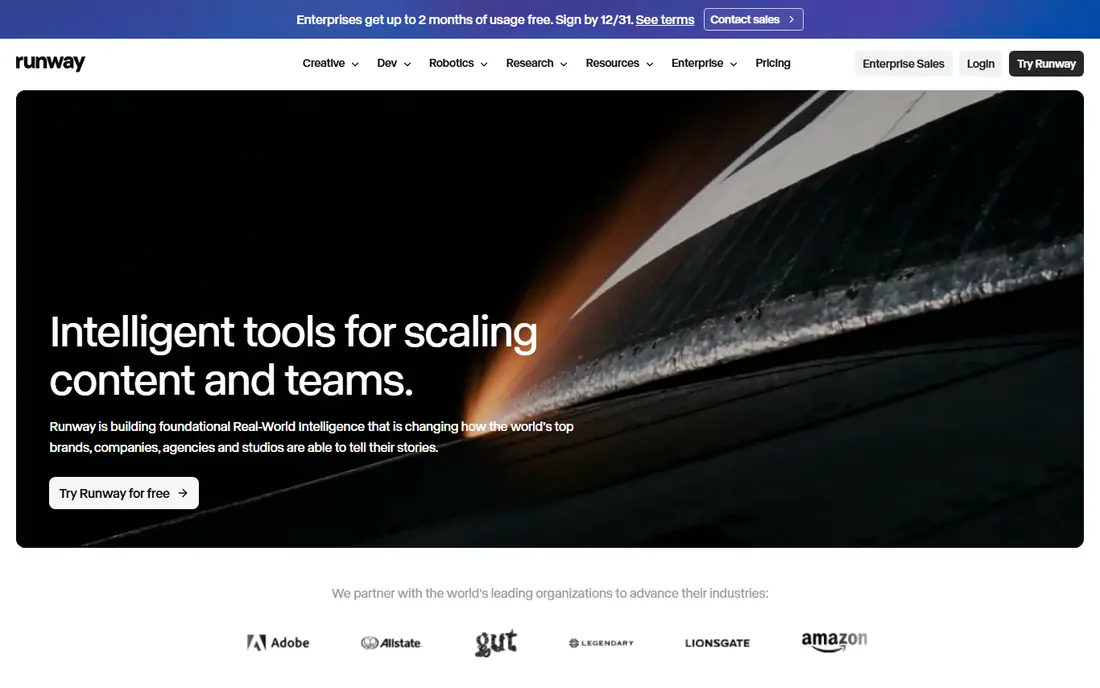
Runway is a strong choice for creators who want directed shots plus editing tools. Runway pairs its video models with editing tools that let you extend, restyle, or clean up a shot without leaving the app. That full workflow suits creators who generate a clip and then need to shape it into a finished scene.
The trade-off is worth weighing before you commit. Credits are the catch, since resolution and length change the cost per clip. Spend the one-time free credits on a representative prompt before you pay. Check the current plan limits on the vendor site, since allowances and add-ons change often, and run a small pilot with real tickets, content, or data before you roll it out more widely.
- Gen-4 video models
- Editing and restyling tools
- Hosted outside models
- Credit maths can be confusing
- Higher quality burns credits fast
For creators who want strong motion at a low monthly price, Kling stands out for a practical reason. Kling has become a value favourite for text-to-video and image-to-video work, with motion that holds up well on social feeds. Its Standard plan is priced below most rivals, which makes frequent testing affordable.
There is a catch to plan around. Free use is limited and not for commercial work, so treat it as a trial. Check the credit cost for your chosen model and length, since those settings change the monthly clip count. That does not rule it out, but it does mean you should test it against your own workflow and confirm the price for your team size before you buy.
- Good motion quality
- Image-to-video mode
- Competitive credit price
- Free exports carry limits
- Commercial use needs a paid plan
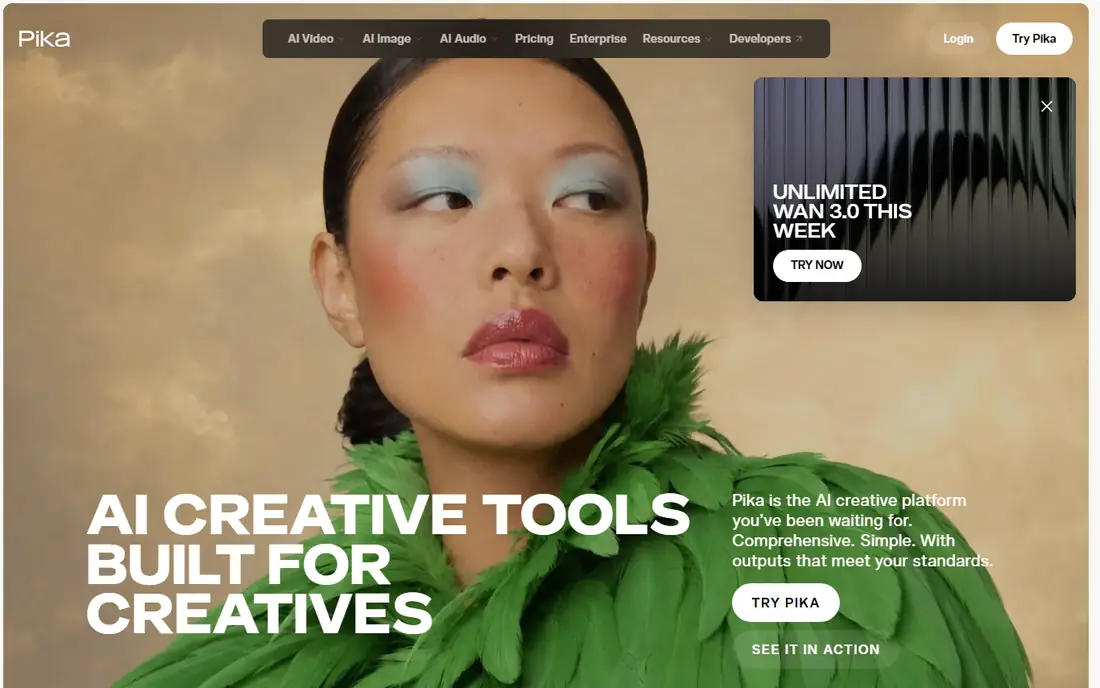
Pika earns its place here through its fit for short social clips and effect-driven ideas. Pika is built for quick, effect-led social clips rather than long cinematic scenes. Its effects and fast generation suit creators who post often and need many short ideas rather than one perfect shot.
Watch the limits as well as the strengths. Clip length is short, and paid resolution tiers cost more credits. It is a strong second tool for social work, but not the best pick for long-form scenes. A short trial with your own examples will tell you more than any feature page, so use that time to test the parts you will rely on every week.
- Fast short clips
- Effects library
- Free tier allows testing
- Short clip lengths
- Higher resolution costs more credits
If your main need is fast drafts and image-to-video work, start with Luma Dream Machine. Luma Dream Machine is known for fast drafts, especially when animating an uploaded image. Creators who iterate on a look can test several versions quickly before moving a chosen clip into an editor.
The honest limit matters here. There is no free individual plan listed, and the Plus entry price is high compared with Kling or Pika. That makes it a better fit for creators who already know they need its speed. If that limit touches your core work, compare the next tier or a rival before you sign up, and keep an eye on renewal terms.
- Fast generation
- Ray models
- Image-to-video strength
- No free plan listed
- Highest entry price here
Hailuo suits teams and individuals focused on expressive character motion and stylised clips. Hailuo, from MiniMax, is a good pick for character-led and stylised clips where movement and expression matter more than photorealism. Its image-to-video mode can animate a still character with lively motion.
Price and fit need a final check. Pricing varies by promotion and region, so confirm the plan price at checkout. Trial credits are limited, so plan your test prompts in advance. Start on the lowest plan or trial that covers your main task, measure what it saves or improves, and only then move up a tier.
- Expressive motion
- Audio on some models
- Image-to-video mode
- Pricing varies by region and promotion
- Trial credits only
Among the options here, Synthesia is the one to check first for training and explainer videos with a presenter. Synthesia is different from the generative clip tools above: it creates a presenter-led video from a script, which suits training, onboarding, and explainers. A consistent avatar across many videos helps teams keep a uniform look.
The trade-off is worth weighing before you commit. It will not generate cinematic B-roll or fantasy scenes, and minutes are metered, so long video libraries need a higher plan. Use it for presenter work, not for scenic footage. Check the current plan limits on the vendor site, since allowances and add-ons change often, and run a small pilot with real tickets, content, or data before you roll it out more widely.
- AI avatars in many languages
- Consistent presenter
- Team templates
- Avatar output, not generative scenery
- Minutes are metered
HeyGen is built around multilingual avatar marketing and localisation, and that focus shows in daily use. HeyGen suits marketing teams that need a lifelike presenter in several languages, including localised versions of the same script. Creator allows longer videos than many avatar rivals, which helps for product explainers.
There is a catch to plan around. It is an avatar tool first, so scenic or animated footage needs another generator. Credit use varies by avatar feature, so check the cost of the exact avatar type you plan to use. That does not rule it out, but it does mean you should test it against your own workflow and confirm the price for your team size before you buy.
- Realistic avatars
- Multilingual voices
- Longer videos on Creator
- Avatar focus, not scenic generation
- Credits vary by feature
Buyers who need turning scripts, blogs, and recordings into video will find Pictory a sensible shortlist pick. Pictory turns a script, blog post, or recording into a short video with stock footage and voiceover, which suits teams repurposing written content. It is faster than building each scene from scratch when the goal is a clear social or explainer clip.
Watch the limits as well as the strengths. There is no persistent free plan, only a trial, and stock footage can look generic if you do not customise scenes. It works best when the script is strong and the visuals support it rather than carry it. A short trial with your own examples will tell you more than any feature page, so use that time to test the parts you will rely on every week.
- Script-to-video workflow
- Stock footage
- Voiceover options
- No persistent free plan
- Stock look can feel generic
InVideo AI takes a clear approach to prompt-to-finished marketing videos. InVideo AI turns a plain-language prompt into a draft video with scenes, voiceover, and music, then lets you edit on a timeline. That all-in-one path suits small marketing teams that need finished videos without a separate editor.
The honest limit matters here. Free exports carry a watermark and limited credits, and generative models on higher plans cost more credits. Start with the free tier to test whether its draft style fits your brand. If that limit touches your core work, compare the next tier or a rival before you sign up, and keep an eye on renewal terms.
- Prompt-to-video workflow
- Timeline editing
- Stock plus generative clips
- Free exports are watermarked
- Credit use varies by model
How we picked these
We compared official pricing pages and product pages for each tool, plus recent pricing roundups checked in September and October 2026, and kept only tools still offered in October 2026. We favoured tools with clear text-to-video or image-to-video generation, and we noted where free tiers limit commercial use. We did not claim hands-on testing. Prices are entry prices on annual billing where that is the published rate, so check monthly billing if you pay month to month. We did not list Sora as a live standalone product, following the closure note for its consumer app.
How to pick an AI video tool for creator work
Decide the job before the model
Scenic clips, social effects, presenter videos, and repurposed blogs need different tools. A scenic generator will disappoint for training videos, and an avatar tool will disappoint for cinematic B-roll. Shortlist by job first, then compare models.
Test with your own prompt and image
Use free credits on the same prompt and, where relevant, the same photo across two tools. Compare motion, hands and faces, and how well the clip follows the prompt, rather than trusting demo reels.
Count credits, not just the monthly price
A low monthly price can still mean few finished clips if high resolution burns credits fast. Check the credit cost for your usual length and resolution, and confirm watermark and commercial-use terms before publishing.
Frequently asked questions
What are the best AI video generation tools in February 2026 searches?
Searches using a February label still point to the same current tools, and this list reflects tools live in October 2026. Kling, Runway, Pika, Luma, and Hailuo are the main generative picks, with Synthesia and HeyGen for avatar videos.
Which AI video tool is cheapest?
Pika and Kling have the lowest entry prices here, at about $10 per month, while Runway is $12 per month on annual billing. Free tiers help for testing, but check watermark and commercial-use limits.
Can I use free AI video clips commercially?
It depends on the tool. Some free tiers allow limited commercial use and some do not, and many add watermarks. Read the licence for the plan you use before publishing client or ad work.
Do I need an avatar tool or a generative tool?
Choose an avatar tool for presenter-led training and explainers, and a generative tool for scenic, animated, or effect-led footage. Many teams use one of each.
How long are AI-generated clips?
Most tools in this guide produce short clips, often around five to ten seconds per generation, with some plans allowing longer sequences. Check the model and plan, since length affects credit cost.
Sources
See where you really rank - block by block
ProMapRanker scans Google Maps across a grid of your service area. Simple monthly plans from $19, white-label on every plan.
Start freeKeep reading
 zoho inventory alternatives
6 Alternatives to Zoho Inventory, Compared on Price and Fit
Zoho Inventory alternatives: 6 tools compared on price, free plans and fit. Katana leads the list for manufacturers. Fit and flaws are laid out for each entry.
Read → zoho crm alternatives
Best Zoho CRM Alternatives (2026)
Need Zoho CRM alternatives? We compare 7 tools on cost, free access and who each suits. Every pick gets a straight assessment. Built for quick decisions.
Read → zelle alternatives
Best Zelle Alternatives in 2026
Compare the best Zelle alternatives for sending money to friends, paying sellers and moving funds abroad, with honest notes on fees, speed and safety in 2026.
Read →