 ProMapRanker
Best AI Tools for Multilingual Customer Service in 2026

Key takeaways
- The best multilingual tool answers in the customer language, not just translates an English answer at the end.
- Auto-detection, native-language reasoning and a clean handoff matter more than a headline count of languages.
- Suite tools suit teams already on Zendesk, HubSpot or Freshdesk, while standalone tools suit teams keeping their help desk.
- Low-confidence answers in a second language need a draft or human review step, because errors are harder for your team to spot.
- Test with real past tickets in each language you serve, not just English demos, before you roll out.
Quick comparison
| Pick | Great for | Pricing starts at | Free tier | |
|---|---|---|---|---|
 Zowie | Enterprise multilingual automation | See website | No | Visit |
 Intercom Fin | Multilingual chat for software teams | $29 per seat per month | Free trial | Visit |
 Zendesk AI | Multilingual ticketing teams | $55 per agent per month | Free trial | Visit |
 Ada | Enterprise multilingual flows | See website | No | Visit |
 eesel AI | Help desk teams adding AI fast | See website | Free trial | Visit |
 Gorgias | Multilingual ecommerce support | See website | No | Visit |
 Freshdesk Freddy AI | Mid-size multilingual teams | See website | Free trial | Visit |
 HubSpot Customer Agent | HubSpot teams serving several markets | See website | Yes | Visit |
 Yellow.ai | Very wide language coverage | See website | No | Visit |
The best ai tools for multilingual customer service
Multilingual support is not a translation add-on. The tools below differ in how many languages they handle well, how they detect language, and how they hand off when an answer is uncertain. We focused on tools that can serve customers in their own language across chat, email or both.
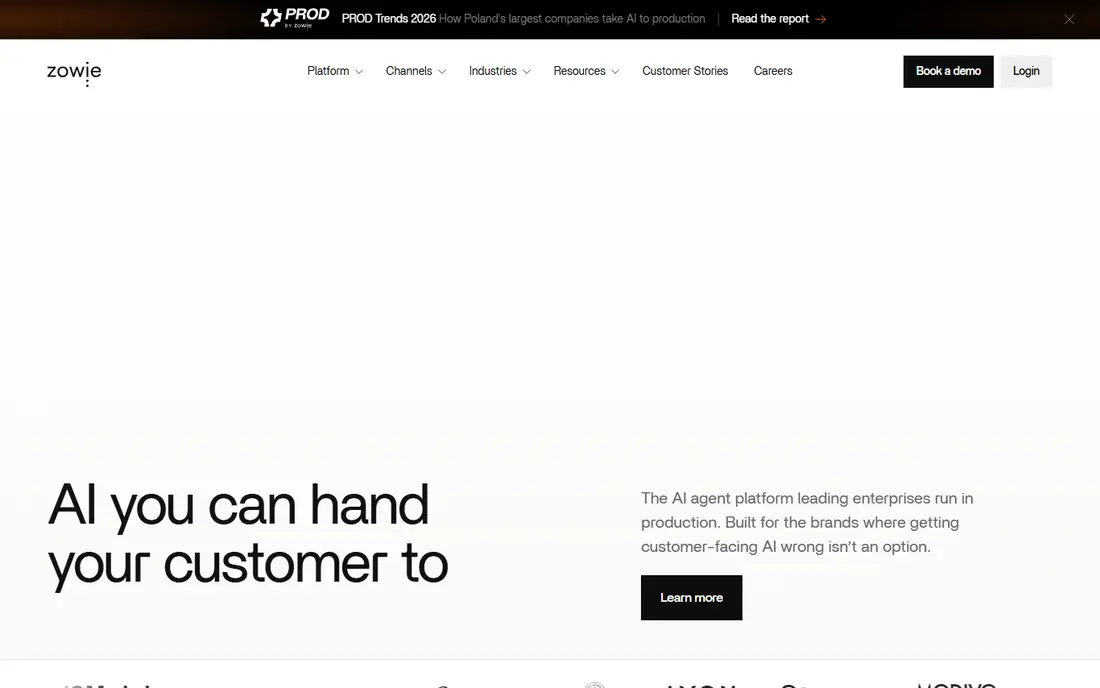
Zowie leads this list for large teams that serve many countries from one platform. Published 2026 comparisons put its language coverage at 70 plus languages, with automation that can follow policy steps for refunds, claims and identity checks rather than only answering questions. That action focus matters when a customer in one market needs a different outcome than a customer in another market for the same request.
The trade-off is scope. Zowie is an enterprise platform, so pricing is custom and a rollout needs per-market rules, knowledge content and quality checks. Smaller teams will find the setup heavy for a handful of languages. For a brand running support in 10 or more languages, the central control and per-market governance are the reasons to shortlist it.
- Coverage reported at 70 plus languages
- Action-based automation for refunds and claims
- Built for multi-country teams
- Enterprise pricing through sales
- Needs content and policy work per market
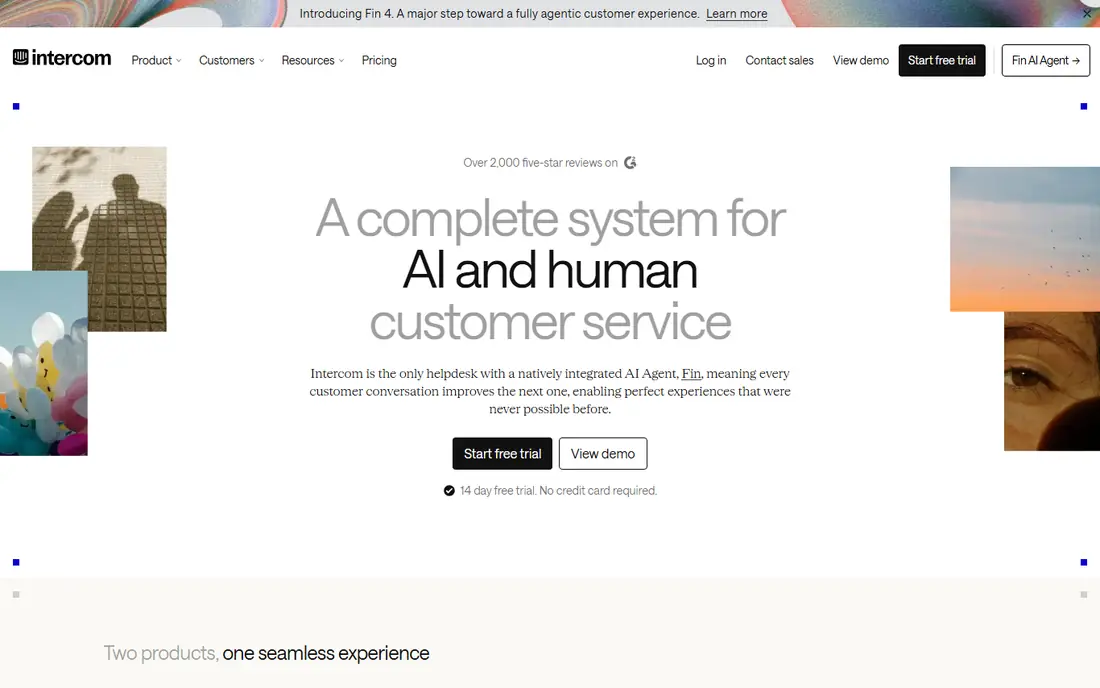
Fin is a strong fit for software teams that already use Intercom for chat and want multilingual answers without moving help desks. Published comparisons report support for 45 languages with automatic detection, so a customer who writes in Spanish, French or German gets an answer in that language without choosing a locale first. The $0.99 per resolution model also makes it easy to judge cost by outcome.
The limit is volume math. At high ticket counts, per-resolution fees can exceed seat-only pricing, so model both together. Fin also shines most in chat, so email-heavy teams should test email handling and handoff quality in each language. For chat-first teams with a clear set of repeat questions, Fin is a fast way to add multilingual coverage.
- Automatic language detection in chat
- Per-resolution pricing
- Strong in-product messaging
- Resolution fees scale with volume
- Voice depth varies by plan
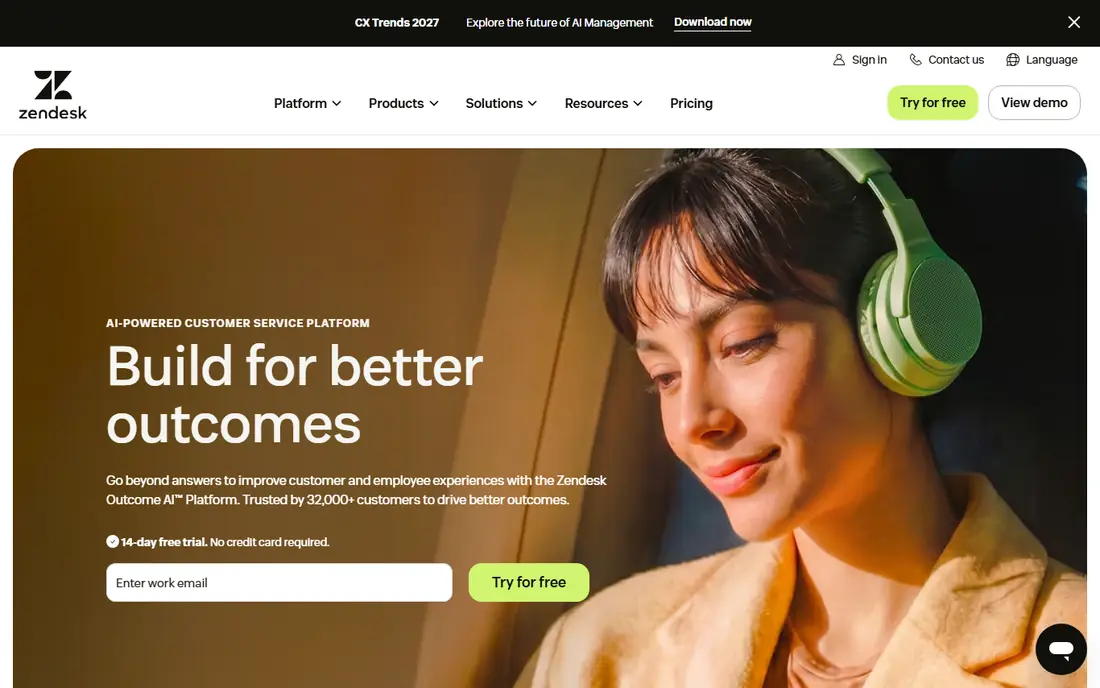
Zendesk AI suits teams where tickets, not just chat, carry the workload. The platform offers AI-powered translation across channels, so a ticket that starts in one language can be worked by an agent in another language with translated context. That helps when a team is centralised but customers are spread across regions.
Cost and setup are the honest catches. Suite Team starts at $55 per agent per month in published comparisons, with AI resolution charges on top, and the admin surface is larger than a simple chat tool. Teams that already run Zendesk get the most value, because translation and AI sit inside the ticket record agents already use. Teams on another help desk should compare a standalone agent first.
- AI translation across messaging and email
- Deep ticketing and routing
- Strong admin and reporting tools
- Seat plus resolution costs add up
- Setup is heavier than chat-only tools
Ada is built for enterprises that need the same policy applied in many languages, with controls over what the agent may say and do. Published comparisons report 50 plus languages, and Ada is often cited for regulated industries where audit trails and consistent answers matter. No-code flow building lets support leaders adjust conversations without waiting on developers for every change.
The cost is effort and price. Ada is sold through sales, and each language needs tested content, not just a translated script. A team serving two languages may get faster value elsewhere. A team serving many markets with strict compliance needs will value the governance and the ability to manage flows centrally.
- No-code flows with enterprise controls
- Wide language coverage reported at 50 plus languages
- Compliance features for regulated teams
- Custom pricing
- Content work needed for each language
eesel AI stands out for teams that already run a help desk and want multilingual AI without a platform move. Published material reports 80 plus languages, automatic detection of the customer language, and learning from past multilingual tickets. That last point matters, because past tickets often hold the phrasing customers actually use, including product terms that a help article may not cover.
Pricing is credit based, with published reports of $299 per month for 500 credits, so teams should model ticket volume before signing. eesel also needs a confidence step: low-confidence answers should become drafts or escalate, especially in languages your team cannot review easily. For a mid-size team that wants fast multilingual coverage on its current help desk, eesel is a strong shortlist pick.
- Reported 80 plus languages out of the box
- Auto-detection
- Learns from past tickets, not just help articles
- Per-credit pricing needs volume modelling
- Smaller vendor than suite platforms
Gorgias is the ecommerce pick in this list. It pulls order, shipping and customer history into the ticket view, so an AI answer about a delivery or return can use real order facts rather than generic policy text. Published comparisons note that Gorgias can answer in a customer language even when help articles exist only in English, which helps stores that sell globally but write content in one language.
The limit is fit. Gorgias is built for stores, so a software or services team will find less value in its order-centred design. Pricing is ticket based, with AI interactions reported near $0.90 each, so high-volume stores should model monthly interactions. For a Shopify store serving several countries, Gorgias pairs language coverage with order context in a useful way.
- Deep Shopify order data in tickets
- Can answer in a customer language even when articles are English only
- AI interaction pricing reported near $0.90
- Ecommerce focus limits use for other industries
- Ticket-based pricing needs volume checks
Freddy AI suits mid-size teams that want multilingual support inside a familiar ticket workspace. Freshdesk setup is faster than enterprise suites, and Freddy can draft replies, suggest answers and handle common requests across channels. That breadth helps when customers contact you by email in one market and chat in another, because the same workspace holds both.
Watch the session billing unit. Published comparisons report Freddy sessions billed per session, so a session that ends in a handoff still counts. That can still be good value for short, repeatable questions in several languages. It is less attractive when many multilingual cases need a person, because you pay for the AI attempt and the human follow-up.
- Fast setup across ticket, chat and email
- Multilingual handling inside one workspace
- Session-based AI option
- Sessions billed even when a case is not resolved
- Advanced features sit on higher tiers
HubSpot Customer Agent works best when HubSpot is already the customer record. The agent can use contact, deal and ticket data to answer in context, and handoffs stay on the same CRM timeline that other teams see. A free tier for small teams makes it easy to test basic service tools before paying for seats, which helps a team adding a second language on a tight budget.
The limit is content. If your knowledge base is English only and thin, the agent will struggle in other languages, no matter how good the underlying model is. Paid AI usage is credit based, so check credit consumption per resolution. For a HubSpot team with solid help content, this is a low-friction way to add multilingual answers.
- Built into HubSpot CRM
- Free tier for small teams
- Shared customer record across sales and service
- Language depth depends on HubSpot content quality
- Paid AI usage is credit based
Yellow.ai is the breadth pick. Published comparisons report 135 plus languages, with real-time context switching that helps when a customer changes language mid-conversation. That depth suits global brands, telecoms and large service teams that cannot predict which language the next customer will use.
Breadth comes with enterprise effort. Pricing is custom, and a rollout across voice and chat needs channel planning, content testing and quality review per market. Smaller teams will not need 135 languages, and a simpler tool will be faster to run. For a brand with truly global traffic, Yellow.ai removes the language ceiling that smaller tools eventually hit.
- Language breadth reported at 135 plus languages
- Voice and chat automation
- Built for large global teams
- Enterprise pricing through sales
- Implementation needs planning across channels
How we picked these
We compared official product pages, pricing pages and published 2026 multilingual comparisons, and we kept only tools with real multilingual support in production, not tools that only translate a final answer. We weighted language depth, auto-detection, action handling, handoff quality and pricing model. We did not claim hands-on testing. Test each tool with your own past tickets in every language you plan to serve, and confirm current pricing with the vendor.
What to check before you buy a multilingual tool
Start with your real ticket mix. Pull the top questions in each language, including the exact phrasing customers use, and ask each vendor to run those cases live. A tool that looks fluent in English can still fail on product names, dates, addresses and policy terms in another language, so use your own data, not a vendor demo script.
Next, set a confidence rule. Decide when an answer should go out automatically, when it should become a draft for a human, and when it should escalate at once. That rule matters most in languages your team cannot read easily, because a wrong answer can sit unnoticed. Finally, check data and privacy terms per market, including retention and where customer data is processed, before you enable a new language.
Frequently asked questions
What is the best AI for multilingual customer support?
It depends on your stack. For most teams on an existing help desk, a standalone agent such as eesel AI or Fin is a fast start. For enterprise teams, Zowie, Ada and Yellow.ai offer deeper language and governance controls. Match the tool to your ticket volume, channels and the languages you actually serve.
How does AI handle customer support in different languages?
Most tools auto-detect the incoming language, search your knowledge base, and reply in that language. Stronger tools reason in the customer language rather than translating an English answer at the end, which keeps tone and product terms intact. Always test with real tickets, because translation quality varies by language pair.
Can AI support customers in languages my help center is not translated into?
Yes, in many cases. Tools such as Gorgias and eesel AI can answer in a customer language even when help articles exist only in English, by generating the answer in that language. It still pays to translate your highest-traffic articles, because tested content gives more reliable answers than on-the-fly generation.
How much does multilingual AI customer support cost?
Most tools bill per resolution, per session or per credit, not per language. Published reports put some AI interactions near $0.90 each, while enterprise platforms are custom priced. Model your monthly volume in each language, and ask what counts as a billable resolution or session.
Is AI accurate enough in non-English languages?
It can be, with controls. Use simulation against past tickets, set a confidence threshold, and route low-confidence answers to a draft or a human. Review a sample of non-English answers each week, ideally with a native speaker for high-risk topics such as billing, health or safety.
Should I still hire human agents for other languages?
Yes, for complex, sensitive or high-value cases. AI handles repeat questions at scale, while people handle disputes, complaints and cases where tone matters. A good setup pairs AI coverage with human agents who can review, correct and take over without making the customer repeat the issue.
Sources
- https://getzowie.com/blog/top-ai-support-tools-that-offer-reliable-multilingual-support-at-an-enterprise-scale
- https://www.eesel.ai/blog/best-ai-for-multilingual-support
- https://rasa.com/blog/best-ai-customer-service-software
- https://www.intercom.com
- https://www.zendesk.com
- https://www.ada.cx
- https://www.eesel.ai
- https://www.gorgias.com
- https://www.freshworks.com
- https://www.hubspot.com
- https://yellow.ai
- https://getzowie.com
See where you really rank - block by block
ProMapRanker scans Google Maps across a grid of your service area. Simple monthly plans from $19, white-label on every plan.
Start freeKeep reading
 zscaler alternatives
Best Zscaler Alternatives in 2026
Looking for zscaler alternatives? We compare 9 SASE and zero trust platforms on architecture, data protection, pricing, and fit for your network and team.
Read → zapier alternatives free
Best Zapier Alternatives Free in 2026
Nine automation tools for zapier alternatives free in 2026, all with genuinely free tiers, plus free plan limits, starting prices and upgrade paths explained.
Read → which platform is best for online reputation
Which Platform Is Best for Online Reputation in 2026
Wondering which platform is best for online reputation? We compare 8 review, listing, and response tools for small and multi-location businesses and agencies.
Read →