 ProMapRanker
Best AI Tools for Academic Research (2026)

Direct answer
Start with ResearchRabbit if you need citation network discovery. Semantic Scholar is the stronger choice for free discovery and skimming, while Elicit suits systematic literature tables. The remaining 3 options are covered below with prices and limits.
Key takeaways
- ResearchRabbit is the opening pick, best for citation network discovery.
- 6 of the 6 tools have a free plan, including ResearchRabbit, Semantic Scholar, Elicit and Consensus.
- One limit worth knowing about ResearchRabbit: no extraction or synthesis features.
- For the cheapest start, look at Connected Papers: $3 per month.
Quick comparison
| Pick | Great for | Pricing starts at | Free tier | |
|---|---|---|---|---|
 ResearchRabbit | Citation network discovery | $0 | Yes | Visit |
 Semantic Scholar | Free discovery and skimming | $0 | Yes | Visit |
 Elicit | Systematic literature tables | $10 a month (billed yearly) | Yes | Visit |
 Consensus | Evidence-backed claim synthesis | $8.99 a month (billed annually) | Yes | Visit |
 Connected Papers | Related-paper graphs | $3 a month (billed yearly) | Yes | Visit |
 Scholarcy | Structured paper summaries | $9.99 a month | Yes | Visit |
The full AI tools for academic research list
ProMapRanker put together this guide to AI tools for academic research for readers who want a clear shortlist without reading every vendor page. It compares 6 tools on starting price, free plans, who each one suits and where each one falls short.
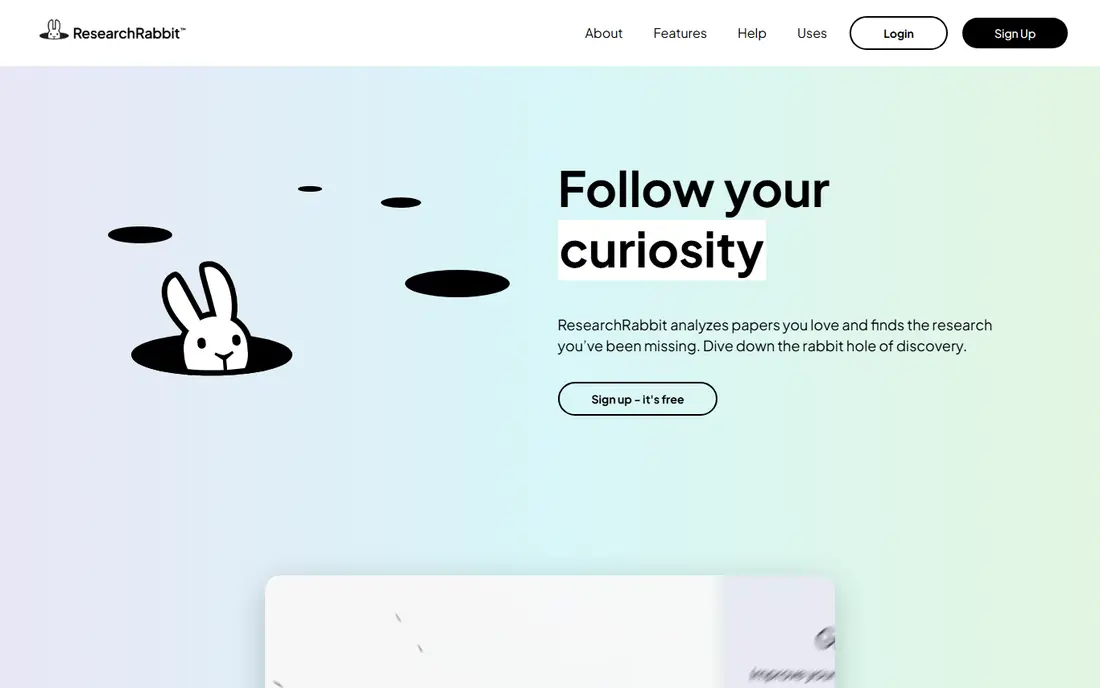
ResearchRabbit is aimed squarely at citation network discovery. ResearchRabbit is fully free and builds interactive citation network graphs from seed papers, revealing co-authorship connections, related work and research gaps through visual exploration.
It includes discovery only, with no extraction, synthesis or writing features, so it pairs with Elicit or Consensus for later stages. ResearchRabbit cost at the entry level: $0. A free plan is available with ResearchRabbit.
What to check first: Discovery only. Reasons to shortlist it: Fully free.
- Recommendations
- Interactive citation network graphs
- No extraction or synthesis features
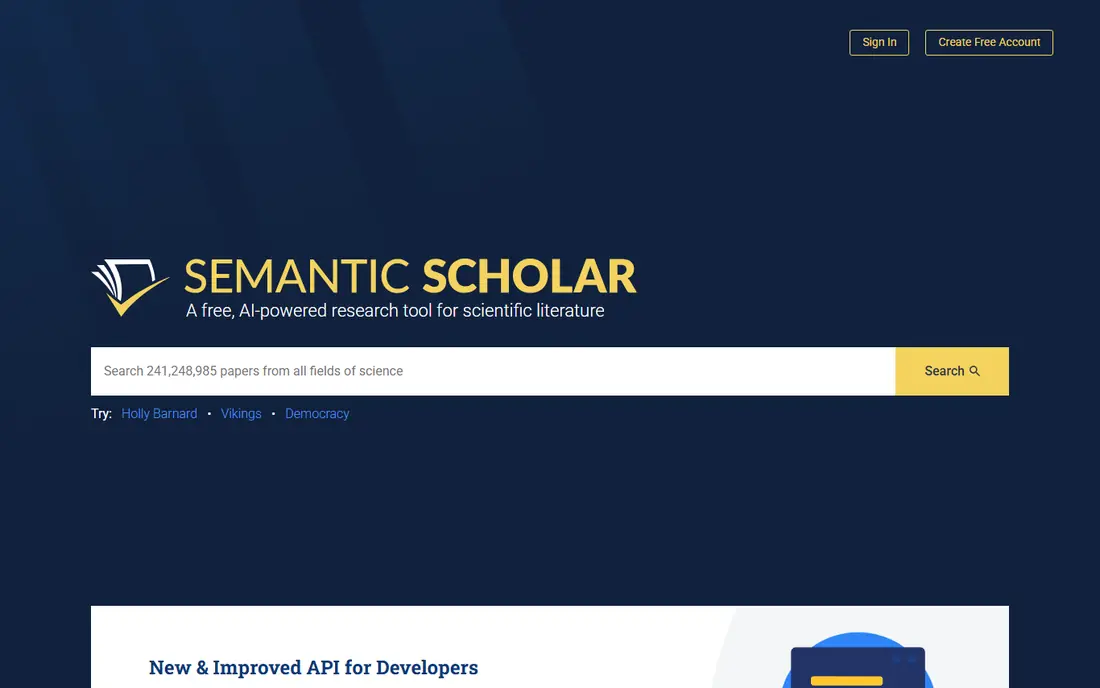
Semantic Scholar targets free discovery and skimming. Semantic Scholar is the free discovery foundation: over 200 million papers, TLDR summaries for fast skimming, recommendations, and API access for building custom pipelines.
Downsides: Skimming only.
It powers Elicit and Connected Papers behind the scenes, and its data quality and citation grounding make it the safest free starting point. Entry price for Semantic Scholar: $0. Free access exists with Semantic Scholar. Upsides: API access; 200-million-plus papers.
- TLDR summaries
- Recommendations
- No extraction tables or synthesis
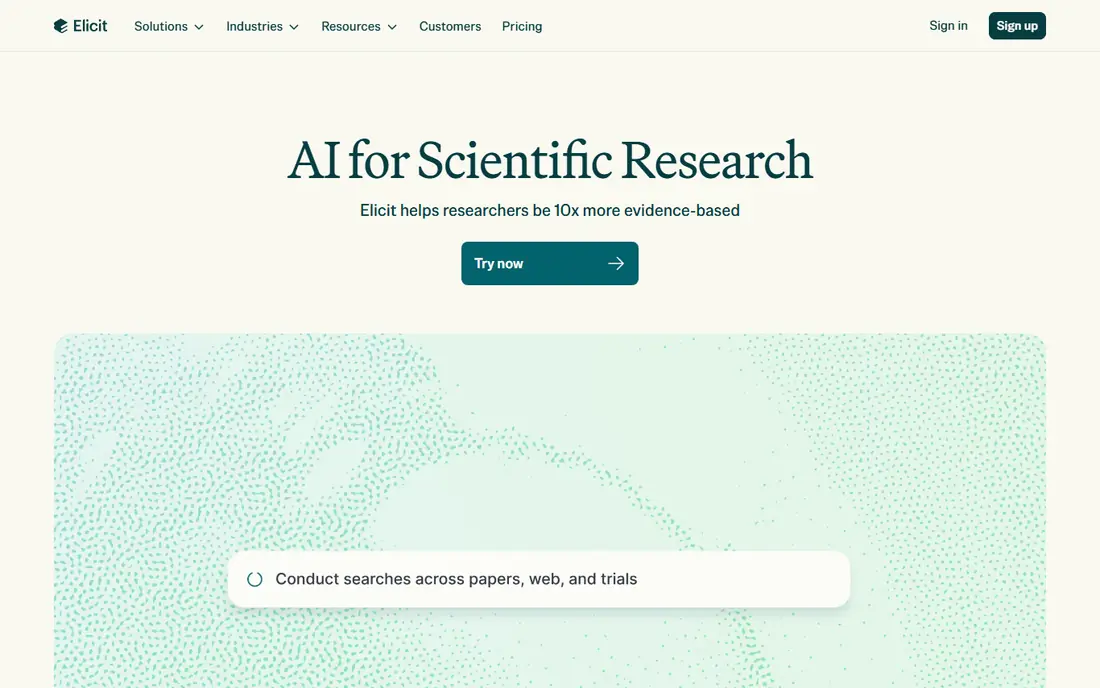
Elicit works best for systematic literature tables. Extraction is usable for methods and outcomes columns but needs verification for limitations.
Where it falls short: Extraction needs verification for limitations.
The free level's 5,000 one-time credits run out on large reviews. Also, Elicit suits graduate students, faculty and systematic review teams that require structured extraction across numerous papers, with human oversight on all critical claims. Price to start with Elicit: $10 per month. A free plan is available with Elicit.
- Solid export
- Structured tables for systematic reviews
- Free level restricted
Choose Consensus for evidence-backed claim synthesis. It flags study quality and evidence strength, distinguishing randomised trials from observational work, and surfaces methodological limitations and biases in individual studies.
As for the details, AI-generated conclusions are starting points, not final answers: verify every claim at the source before citing it. The starting price for Consensus: $8.99 per month. You can start on Consensus without paying.
The main drawbacks: Synthesis needs source checking.
- Evidence-backed claim synthesis
- Study quality flags
- Premium features gated behind subscription
Connected Papers makes the most sense for Related-paper graphs. Connected Papers builds a similarity graph from a single seed paper, showing related work clustered by co-citation so researchers can orient themselves in a new field in minutes.
Connected Papers cost at the entry level: $3 per month. Free access exists with Connected Papers.
Drawbacks to consider: Free level restricted to 5 graphs a month.
- Single-seed similarity graphs
- Cheapest premium tool here
- One graph type only
Think of Scholarcy for structured paper summaries. For everyday use, Scholarcy turns individual papers into structured summary flashcards with key findings, methods and limitations, building a literature matrix across your reading list. The browser extension summarises papers as you browse, and 10 free summaries per day include casual use.
It works from user uploads and open-access sources instead of a full discovery database. So it pairs with a discovery tool instead of replacing one. Entry price for Scholarcy: $9.99 per month. You can start on Scholarcy without paying.
The main drawbacks: not a discovery database.
- Literature matrix view
- Structured summary flashcards
- Summary quality varies by paper type
How we built this list
We compared the tools on published pricing, free plan or trial availability, feature coverage for AI tools for academic research, and the limits each vendor documents. Where a vendor does not publish a price, the entry says quote. Where a price depends on seats or billing term, the entry says so. Tools are placed by general fit for AI tools for academic research, with price clarity and free access as tie-breakers. A different team can reasonably rank them differently.
What to confirm before you sign up
- Check the vendor page for the current price: Connected Papers starts at $3 per month here, and seats or billing terms can move it.
- Read the fine print on the free plans from ResearchRabbit, Semantic Scholar, Elicit and others; seat, project and feature caps differ.
- Read the limits listed for ResearchRabbit first: no extraction or synthesis features.
- Price Semantic Scholar for your actual team size; headline prices rarely include add-ons or overage.
- Look at the help docs and support options for ResearchRabbit before you commit.
Frequently asked questions
Which options for AI tools for academic research have a free plan?
On this list, 6 of 6 tools include a free plan, among them ResearchRabbit, Semantic Scholar, Elicit and Consensus. Caps on seats, usage or features are common, so test the free plan against your real workload.
What is the best AI tool for academic research?
ResearchRabbit is the pick this page puts first, mainly for citation network discovery. If your situation differs, Semantic Scholar suits free discovery and skimming, and Elicit suits systematic literature tables. Compare price and limits before you decide.
Can I try these tools before paying?
Often, yes. ResearchRabbit, Semantic Scholar, Elicit and others have a free plan. Use your own data and a real task during the test, and check what the free tier or trial limits before you rely on it.
How are the tools for AI tools for academic research ordered?
The order follows typical fit for AI tools for academic research, with ResearchRabbit first and Scholarcy last, then price clarity and free access. It is editorial judgement, not a score, so another team could rank the tools differently.
Is ResearchRabbit the right pick for everyone comparing AI tools for academic research?
No single tool suits every team. ResearchRabbit comes first because it fits citation network discovery, while Semantic Scholar suits free discovery and skimming and Elicit suits systematic literature tables. Match the tool to your own size, budget and workflow before deciding.
Sources
See where you really rank - block by block
ProMapRanker scans Google Maps across a grid of your service area. Simple monthly plans from $19, white-label on every plan.
Start freeKeep reading
 zoho inventory alternatives
6 Alternatives to Zoho Inventory, Compared on Price and Fit
Zoho Inventory alternatives: 6 tools compared on price, free plans and fit. Katana leads the list for manufacturers. Fit and flaws are laid out for each entry.
Read → zoho crm alternatives
Best Zoho CRM Alternatives (2026)
Need Zoho CRM alternatives? We compare 7 tools on cost, free access and who each suits. Every pick gets a straight assessment. Built for quick decisions.
Read → zelle alternatives
Best Zelle Alternatives in 2026
Compare the best Zelle alternatives for sending money to friends, paying sellers and moving funds abroad, with honest notes on fees, speed and safety in 2026.
Read →