 ProMapRanker
Best AI Services in the IT Consulting Field in 2026

Key takeaways
- IT consulting firms now sell AI as a mix of strategy, data work, engineering and governance, not as a single product.
- Large integrators suit enterprise wide programs, while specialist practices suit regulated or industry specific work.
- Pricing is almost always project based and quote driven, so compare scope, team and delivery model rather than a rate card.
- No firm can guarantee outcomes, since results depend on data quality, integration, adoption and ongoing ownership.
Quick comparison
| Pick | Great for | Pricing starts at | Free tier | |
|---|---|---|---|---|
 Accenture | Large enterprise AI programs | See website | No | Visit |
 Deloitte | AI strategy with risk and governance | See website | No | Visit |
 IBM Consulting | Regulated and hybrid cloud AI | See website | No | Visit |
 Cognizant | Industry AI and modernization | See website | No | Visit |
 Capgemini | Engineering led AI at scale | See website | No | Visit |
 Infosys | Platform led AI modernization | See website | No | Visit |
 TCS | Global AI rollout | See website | No | Visit |
 Wipro | AI with cloud and engineering | See website | No | Visit |
 HCLTech | Engineering and infrastructure AI | See website | No | Visit |
The best AI services in the IT consulting field
We compared service descriptions, AI practices, industry focus and delivery models for major IT consulting firms with live AI services in October 2026. These are services, not apps, so pricing is quote based and teams are assigned per engagement.
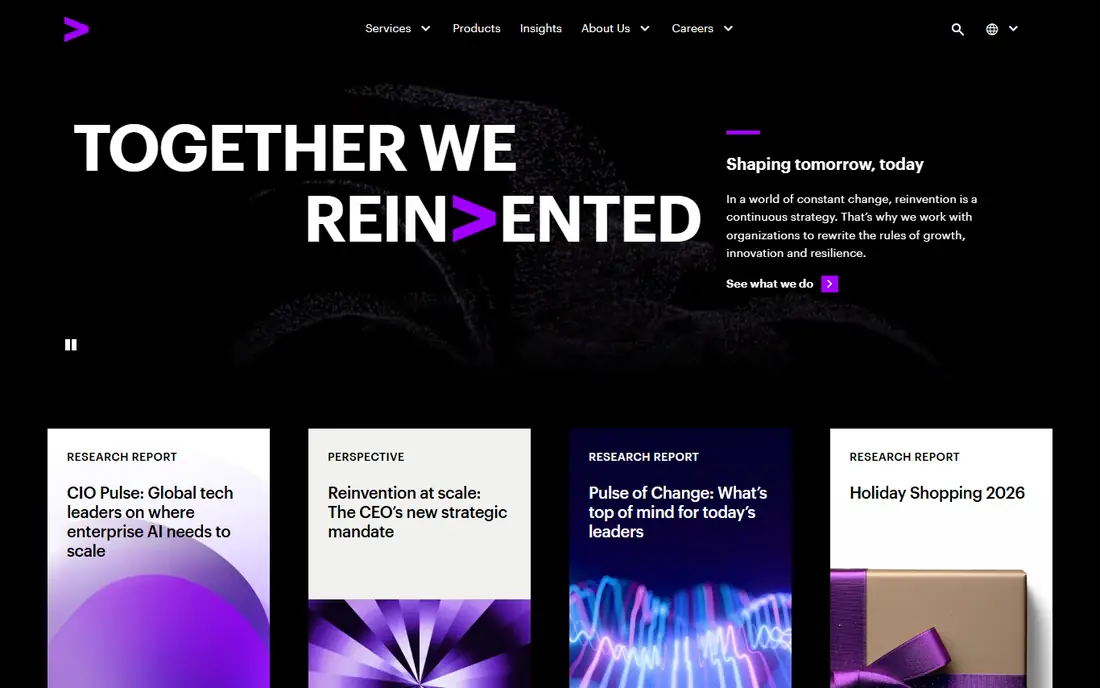
Accenture suits companies planning enterprise wide AI change rather than a single pilot. Its AI work spans strategy, data modernization, model building, agent systems and managed operations, with delivery teams across many industries. That breadth helps when AI touches several business units at once.
The trade off is scale and cost. Accenture pricing sits at the premium end, and its process suits larger programs better than a quick, narrow build. Smaller companies may get faster value from a specialist firm, while large enterprises often value Accenture capacity and governance depth.
- Very large AI practice
- Strategy through managed run coverage
- Broad industry and cloud partnerships
- Premium pricing
- Large engagements can feel process heavy for smaller clients
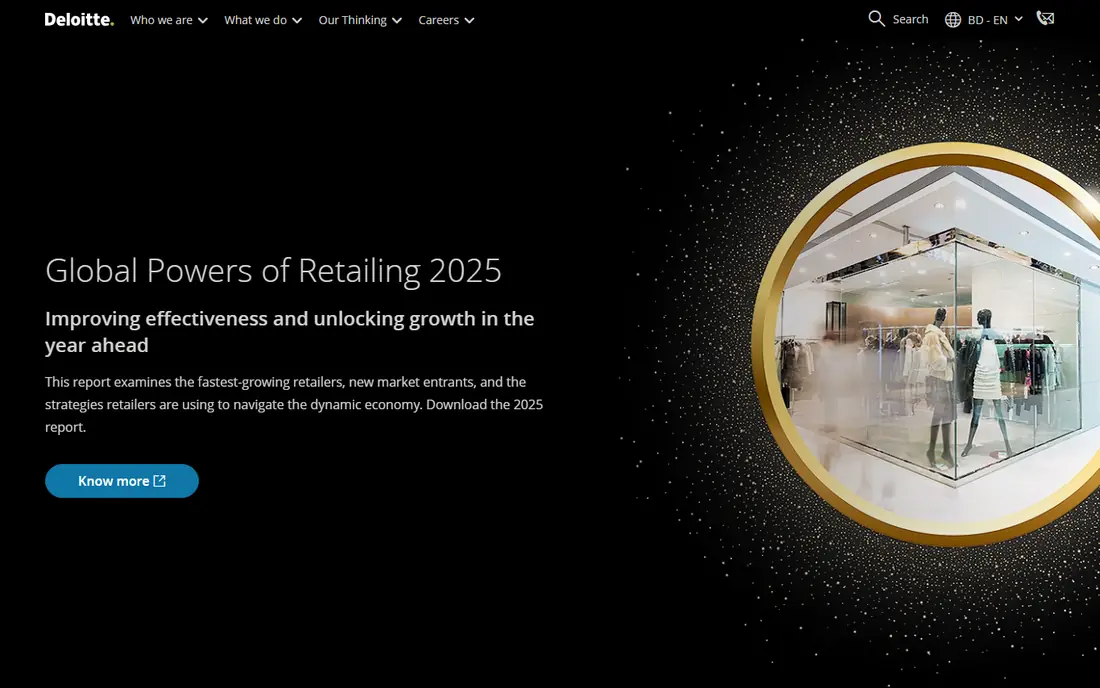
Deloitte fits organizations where AI is also a controls question. Its AI services pair delivery with risk, privacy, audit and regulatory work, which matters in finance, health and public sector settings. That combination helps when a model affects customers, money or regulated decisions.
The catch is pace. A heavy governance focus can slow early pilots, especially for teams that want a quick prototype first. Deloitte works best when the client wants guardrails built in from the start and is willing to fund that discipline.
- Strong risk, audit and regulatory alignment
- Trustworthy AI framework
- Broad consulting depth
- Governance focus can slow fast pilots
- Premium engagement costs
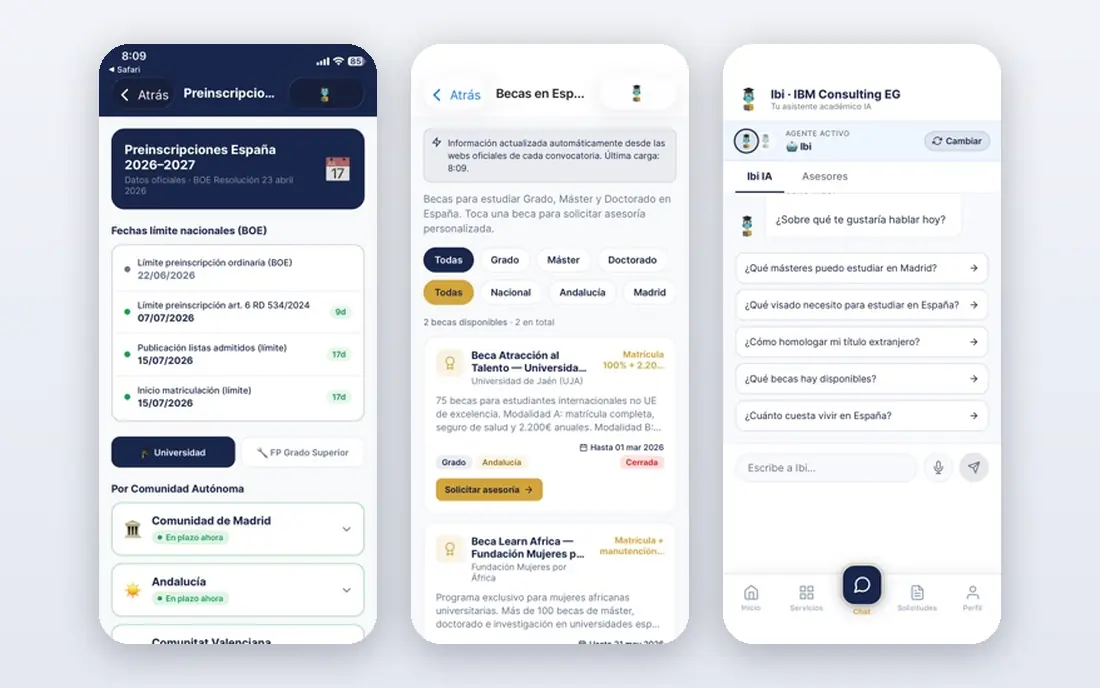
IBM Consulting suits regulated estates with legacy systems and hybrid cloud needs. Its AI work centers on data governance, model management and secure deployment, often alongside watsonx and Red Hat platforms. That focus helps banks, insurers and public bodies with strict controls.
The limit is stack flexibility. Teams that want a purely open or non IBM toolset may find IBM led programs less flexible, and timelines can be longer than with smaller builders. For IBM heavy estates, though, that alignment is an advantage rather than a drawback.
- Strength in governance and security
- Watsonx platform alignment
- Hybrid cloud and legacy expertise
- Less flexible on non IBM stacks
- Timelines can be slower than boutique builders
Cognizant fits companies that want AI tied to modernization and operations, not just a model demo. Its work covers data, applications, cloud and AI together, with notable depth in health care and financial services. Managed services options also help clients that want ongoing operations after launch.
The trade off is consistency. As a very large firm, delivery quality can vary by team and region, so reference projects for your industry matter more than brand alone. Ask for the actual team, recent similar work and handover plan before signing.
- Industry depth in health and financial services
- Application modernization strength
- Managed services options
- Quality can vary by delivery team
- Large program overhead for small projects
Capgemini suits programs where AI meets engineering systems, such as manufacturing, automotive and telecom. Its teams combine data, cloud, software engineering and AI, which helps when a model must run inside real products and operations rather than as a standalone demo.
The limit is fit for small projects. Capgemini strength shows in multi team programs, while a single narrow build may be served faster by a specialist. For multi region engineering programs, its scale and delivery network are clear advantages.
- Strong engineering and product build capacity
- European footprint
- Data and cloud depth
- Large engagements can be costly
- Innovation work varies by practice
Infosys fits enterprises that want AI as part of a wider modernization program. Its Topaz AI offerings and Cobalt cloud work aim to bring AI, automation and data together across applications and infrastructure. That platform view helps when many systems need updating at once.
The catch is customization. A platform led approach can feel less tailored for a single bespoke product, and large program processes add overhead for small scopes. Clients with broad modernization goals tend to benefit most from this model.
- Platform approach with Topaz AI offerings
- Cloud modernization depth
- Global delivery scale
- Platform led model may not suit custom only builds
- Large program process overhead
TCS, Tata Consultancy Services, suits global rollouts that need consistent delivery across countries. Its AI.Cloud work combines cloud, data and AI services for large enterprises, with strength in banking, retail and manufacturing. Scale is its core advantage for multi country programs.
The trade off is agility. TCS processes suit large, structured programs better than fast, experimental builds, and experience can vary by account team. For a global rollout with clear scope, that structure helps. For a rapid prototype, a smaller builder may move faster.
- Very large global delivery capacity
- AI.Cloud offerings
- Strength in banking and retail
- Process heavy for small engagements
- Innovation pace varies by account
Wipro fits companies that want AI alongside cloud migration, cyber and engineering work. Its services cover data, applications and infrastructure, which helps when AI depends on fixing underlying systems first. Managed services also support clients that need ongoing operations.
The limit is differentiation. Wipro AI branding is less distinct than some rivals, so buyers should judge it on reference work and team rather than platform name alone. Ask for industry specific examples and the engineers who will actually staff the project.
- Cloud, cyber and engineering breadth
- AI services across industries
- Managed services depth
- Less distinct AI brand than Accenture or IBM
- Delivery consistency varies
HCLTech suits companies where AI must work inside engineered products and infrastructure. Its strength in product engineering, cloud and infrastructure helps when models need to run reliably in complex systems, from telecom networks to industrial platforms. That engineering depth is practical rather than theoretical.
The trade off is strategy. HCLTech is stronger on build and run than on board level AI strategy alone, so clients who need strategy first may pair it with a strategy firm or choose a strategy led integrator. For engineering heavy AI work, HCLTech is a strong contender.
- Strong engineering services
- Infrastructure and cloud depth
- Product engineering focus
- Business strategy depth is thinner than strategy led firms
- AI work often ties to engineering scope
How we picked these
We compared AI service descriptions, practice scope, industry focus and delivery models for IT consulting firms with live AI offerings in October 2026. We favored firms with end to end capability across strategy, data, engineering and governance, rather than pure staffing or single tool vendors. We left out firms whose AI pages were only marketing claims without a clear service practice.
How to choose an AI consulting partner
Define the outcome and the owner before you buy
A vague goal such as use AI produces vague results. Define the process to improve, the metric to move, the data available and the internal owner who will run the system after launch. Firms that ask these questions early usually deliver more usable work than firms that start with model choice.
Check data, integration and handover, not just demos
Most AI failures come from poor data, hard integration or no handover, not from model quality alone. Ask how the firm will clean data, connect systems, monitor models and train your team. A pilot that cannot move to production is an expensive demo, so ask for a production example in your industry.
Treat guarantees with caution
No firm can guarantee outcomes, since results depend on data quality, integration, user adoption and ongoing ownership. Be wary of ROI promises without clear assumptions, and insist on staged work with checkpoints. A discovery phase, a pilot with success criteria, then a production phase is a safer structure than a large upfront commitment.
Frequently asked questions
What do IT consulting firms actually do for AI?
They help with strategy, data readiness, model and agent building, system integration, governance and ongoing operations. Some firms focus on strategy and governance, while others focus on engineering and managed run. The right mix depends on whether you need direction, a build, or both.
How much does AI consulting cost?
Pricing is project based and quote driven, with cost set by scope, team seniority, duration and data work. Small discovery projects cost far less than enterprise rollouts, and most firms will scope a pilot before quoting a larger program. Ask for a breakdown by phase rather than a single total.
Should we hire a consultant or build in house?
Hire a consultant when you need speed, specialist skill or an outside view, and build in house when AI is core to your product and you can hire and retain talent. Many companies combine both, using a partner to launch and then growing an internal team to own the system.
How long does an AI consulting project take?
Discovery and pilot work often takes weeks to a few months, while production rollout takes longer depending on data, integration and governance needs. Timelines stretch when data is messy or systems are legacy based, so treat early estimates as ranges until data work is scoped.
Can a consulting firm guarantee AI results?
No. No firm can guarantee outcomes, since results depend on data, integration, adoption and ongoing ownership. Firms can commit to deliverables, milestones and quality standards, but business impact also depends on your team, processes and customers.
What should we ask in a first meeting with an AI firm?
Ask for similar production work in your industry, the actual team that will staff the project, data and integration assumptions, governance approach and handover plan. Also ask what happens if the pilot fails its success criteria. Clear answers on those points matter more than a polished demo.
Sources
See where you really rank - block by block
ProMapRanker scans Google Maps across a grid of your service area. Simple monthly plans from $19, white-label on every plan.
Start freeKeep reading
 worlds best local seo company
8 Worlds Best Local SEO Companies for Map Pack Growth in 2026
Compare the worlds best local seo company options for Google Business Profile work, citations, reviews, and multi-location rankings and reporting in 2026.
Read → world's best web hosting company
World's Best Web Hosting Company in 2026
Searching for the world's best web hosting company? We compared 10 hosts on price, renewal rates, speed, and support to help you choose well today in 2026.
Read → who's got the best nanny tax services
Who's Got the Best Nanny Tax Services in 2026
We answer who's got the best nanny tax services, comparing full filing, back taxes, software, and pricing so families can handle nanny taxes correctly.
Read →