 ProMapRanker
Best AI SEO Tools in 2026: 9 Tools Compared

Key takeaways
- Semrush and Ahrefs give the widest research data, while Surfer, Clearscope, and Frase focus on turning that research into stronger drafts.
- Most paid plans start between $23 and $139 per month, and several tools offer a free tier or a short trial for testing.
- No single tool covers research, writing, and AI visibility well, so many teams pair one research suite with one content optimizer.
- The best ai seo software for a solo blogger is rarely the same pick as the best option for an agency managing many clients.
- Prices change often, so check the vendor pricing page before you buy, especially for annual billing terms.
Quick comparison
| Pick | Great for | Pricing starts at | Free tier | |
|---|---|---|---|---|
 Semrush | All-in-one SEO research | $139 per month | Free trial | Visit |
 Ahrefs | Backlinks and keyword data | $129 per month | No | Visit |
 Surfer | Live content scoring | $49 per month | No | Visit |
 Clearscope | Enterprise content grading | $129 per month | No | Visit |
 Frase | Briefs and question research | $49 per month | Free trial | Visit |
 Jasper | On-brand marketing drafts | $69 per month | Free trial | Visit |
 NeuronWriter | Budget content optimization | $23 per month | Free trial | Visit |
 Scalenut | Solo creators scaling content | $39 per month | Free trial | Visit |
 MarketMuse | Topical authority planning | See website | Yes | Visit |
The best AI SEO tools in 2026
We compared official feature pages, pricing pages, app listings, and public reviews to build this list. Our focus was on tools that help with real search work: keyword research, content briefs, on-page optimization, and tracking how pages appear in AI answers.
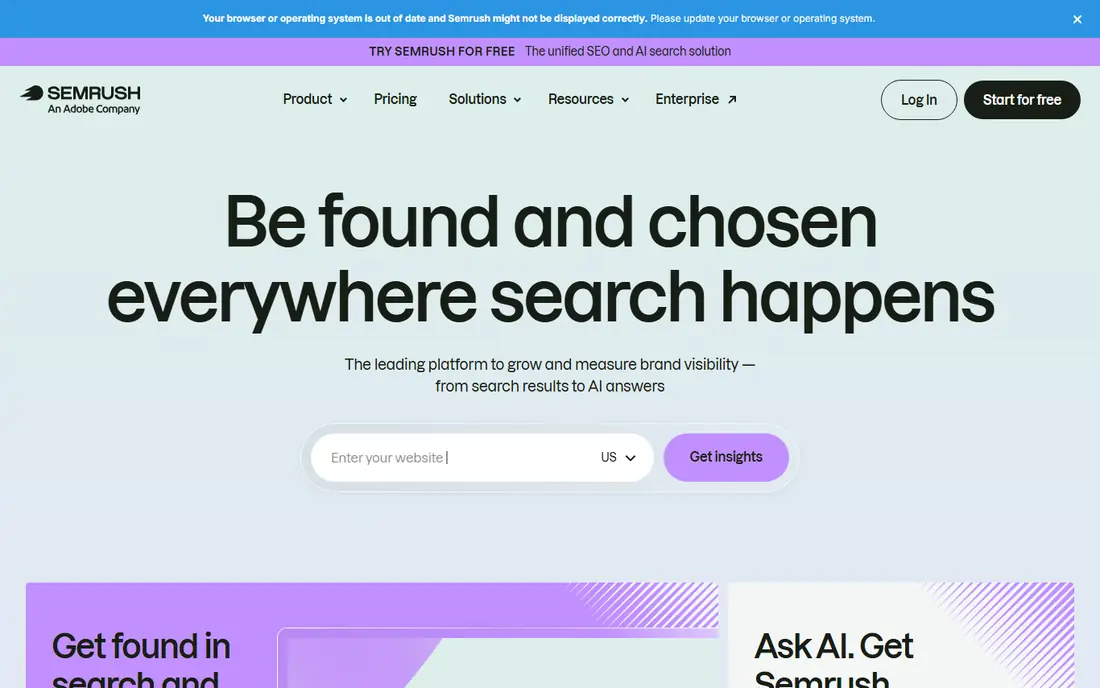
Semrush is our pick when one subscription needs to cover most of the job. It combines keyword research, competitor analysis, site audits, backlink data, and rank tracking in one place. For content teams, the writing and optimization tools sit beside the research data, which keeps briefs and drafts connected to the same keyword set.
The catch is cost and scope. The entry plan covers a lot, but AI visibility tracking sits on higher plans, so teams focused on AI answers should check which plan includes it before subscribing. New users may also need time to learn which reports matter for their site, since the platform offers many more reports than a small site will use each week.
- Very wide keyword and competitor data
- Strong site audit and rank tracking
- AI visibility features on higher plans
- Higher plans are needed for AI search tracking
- The full toolkit can feel large for beginners
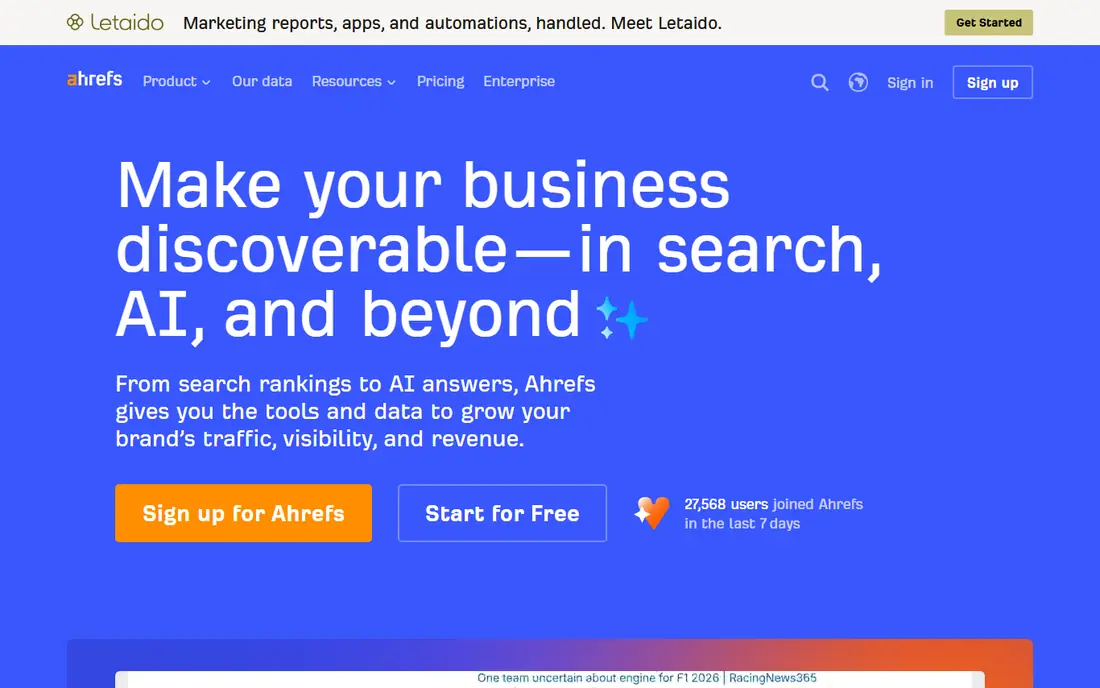
Ahrefs earns its place through data depth. Its backlink index and keyword explorer help you see which pages link to competitors, which terms drive traffic, and where a site has realistic room to gain. That makes it a strong choice for link building and for planning content around terms with proven demand.
It is less of a writing companion than the optimizers below. Ahrefs does offer an AI content helper, but teams that want live scoring while they draft will often pair Ahrefs with Surfer or Clearscope. If your main job is research and link analysis, though, Ahrefs is hard to beat on data alone.
- Deep backlink and keyword database
- Clear competitor gap reports
- Useful free tools for quick checks
- Content optimization is less central than in Surfer or Clearscope
- Entry price is high for solo creators
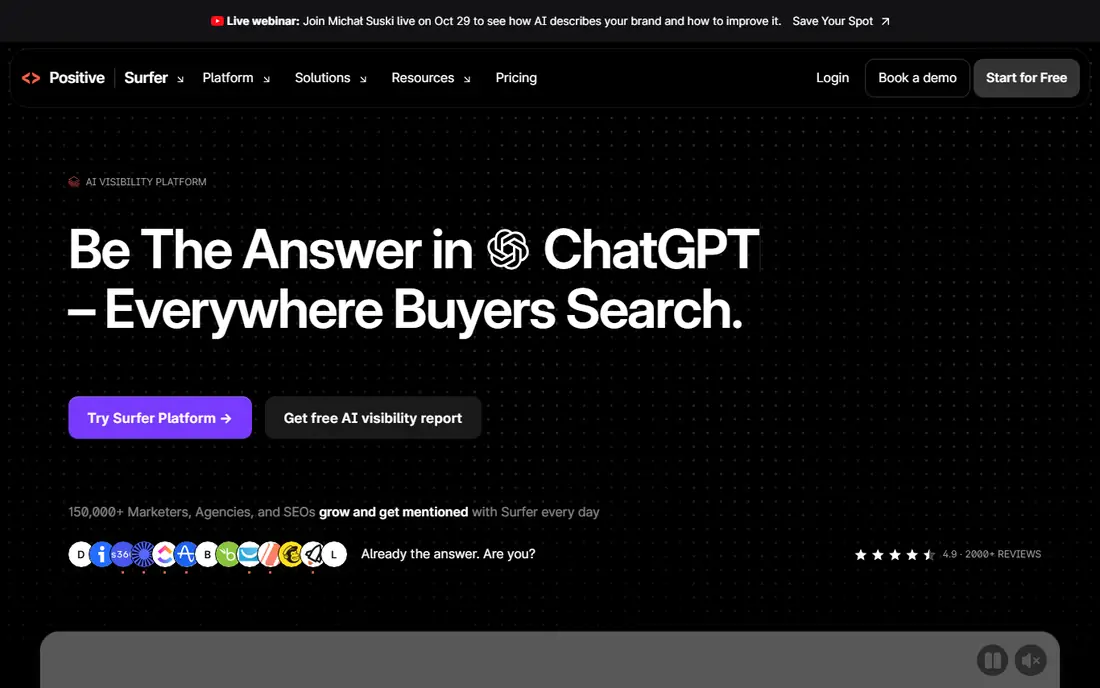
Surfer is built for the moment of writing. Its Content Editor scores a draft against top-ranking pages and suggests terms, headings, and length adjustments as you work. That live feedback helps writers cover the topics searchers expect without guessing at structure or word count.
Surfer works best when it has a keyword and a brief to start from. It does not replace a full research suite for link analysis or large-scale keyword planning. Watch the document allowance on your plan, since heavy publishers can reach limits faster than they expect.
- Real-time content score while writing
- Clear term and structure suggestions
- Audit tools for existing pages
- Document limits vary by plan
- Backlink and strategy features are thinner than full suites
Clearscope takes a simpler approach to optimization. Paste in a keyword, get a graded brief, and write against a clear list of terms and headings. Editors like the uncluttered interface, and larger teams like that many plans do not charge per seat, which keeps collaboration costs predictable.
The price is the main barrier. At $129 per month for the entry tier, Clearscope makes most sense for publishers and agencies that produce high-value pages regularly. Solo bloggers with a few posts a month will usually get similar on-page guidance for less from Frase or NeuronWriter.
- Clean, focused editor
- Detailed term grading
- Unlimited users on paid plans in many tiers
- Expensive at low volume
- Fewer research features than all-in-one suites
Frase is a good middle ground between research and writing. It pulls questions, headings, and themes from pages already ranking for a topic, then turns that material into a brief a writer can follow. The AI writing help can then expand sections, which speeds up first drafts for informational content.
Frase is not the tool to choose for link building or deep technical audits. Its strength is the start of the workflow: understanding intent, gathering questions readers ask, and giving writers a structure that reflects what searchers want. For small teams, that focus keeps the tool fast and practical.
- Fast briefs from search results
- Strong question and People Also Ask research
- AI drafting built in
- Backlink data is limited
- Higher tiers are needed for larger content volume
Jasper is a writing tool first and an SEO tool second. It helps marketing teams produce blog drafts, product copy, social posts, and emails in a consistent voice. Brand voice settings and templates make it easier for several writers to sound like one team, which matters for agencies and in-house content groups.
For search work, Jasper pairs best with Semrush, Ahrefs, or Surfer. It does not supply the keyword and competitor data that should shape a brief, and its drafts can include confident errors if no editor checks facts and sources. Used that way, as a drafting aid inside an edited workflow, it saves real time.
- Brand voice controls
- Many marketing templates
- Useful for teams producing varied copy
- Needs a research tool underneath it for SEO data
- Output still needs human editing and fact checks
NeuronWriter is our budget pick for content optimization. It offers term analysis, content scoring, and planning features at a price well below Surfer and Clearscope. For a solo creator publishing a few posts a month, that lower cost leaves room in the budget for a research tool or for other site costs.
The trade-off is polish. The interface feels less refined, and some workflows take an extra step compared with premium tools. None of that affects the core job, which is giving writers a clear, data-based checklist for each draft. If price is the main constraint, NeuronWriter is a sensible place to start.
- Low entry price
- Solid NLP term suggestions
- Good for solo bloggers and small sites
- Interface is less polished than pricier rivals
- Fewer integrations
Scalenut aims to carry a creator from keyword idea to published draft without switching tools. It clusters related keywords, builds briefs, and offers AI-assisted writing with optimization scores. That all-in-one flow suits solo bloggers and affiliate sites that need steady output without managing several subscriptions.
Larger teams with complex link or technical needs will still want a dedicated research suite. Scalenut also depends on the quality of its keyword data, so competitive niches deserve a cross-check against Semrush or Ahrefs before committing to a content plan.
- Keyword clustering and briefs in one flow
- AI writing plus optimization
- Approachable for beginners
- Data depth is below Semrush and Ahrefs
- Advanced users may outgrow it
MarketMuse answers a different question from the editors above: not how to write one page, but which topics a site should cover to build authority. It compares a site against competitors, finds content gaps, and prioritizes pages that would strengthen a topic cluster. That planning view helps publishers with large libraries decide what to write next.
It is not the best daily drafting tool, and its paid pricing is aimed at teams with substantial content programs. The free plan is still worth trying for a first look at gaps, especially if you run a content-heavy site and want a second opinion on your editorial calendar.
- Site-wide content gap analysis
- Helpful for planning clusters
- Free plan for basic queries
- Paid tiers are priced for larger sites
- Less useful as a daily writing editor
How we picked these
We compared official feature pages, pricing pages, app store listings, privacy policies, and public reviews for tools that are widely used for search work in 2026. We looked for tools that exist today, publish clear pricing or a clear way to get it, and fit a distinct job in the workflow, from research to drafting to optimization. We did not claim hands-on testing, and we avoided tools with unclear pricing or a narrow, unproven feature set.
What to check before you pay
Match the tool to the job
Start from the bottleneck. If briefs are weak, pick Frase or Surfer. If you lack keyword and link data, pick Semrush or Ahrefs. If drafting speed is the problem, add Jasper or Scalenut, but keep an editor in the loop for facts and tone.
Watch limits, not just the headline price
Document counts, tracked keywords, seats, and AI credits decide the real monthly cost. A cheap plan with a low document limit can cost more than a higher plan once you exceed it. Read the plan details and estimate your monthly volume before subscribing.
Plan for AI search as well as classic search
Ask whether a tool tracks visibility in AI answers and AI overviews, and which plan includes that tracking. Some vendors add it only to higher tiers or as a paid add-on. If AI answers matter for your niche, confirm this feature before you commit to a year of billing.
Frequently asked questions
What is the best ai seo tool for beginners?
For beginners, Frase or NeuronWriter are good starting points because they guide the brief and the draft without a large research suite to learn. If you can afford one larger subscription, Semrush covers research, audits, and tracking in one place, though it takes longer to learn.
What is the best ai tool for seo if I only write a few posts a month?
A low-cost optimizer such as NeuronWriter, plus free tools like Google Search Console, often covers a few posts a month well. Paying for a premium suite only makes sense when the extra research data or higher document limits match your actual publishing volume.
Is the best seo ai software the same as the best ai seo tool for agencies?
Not always. Agencies need seats, client reporting, and higher limits, so Semrush, Ahrefs, or Clearscope often fit better at scale. Solo creators usually get more value from a focused optimizer and a smaller research budget.
Can the best ai seo tools replace an editor?
No. These tools suggest terms, structure, and drafts, but they can miss nuance, repeat weak claims, and produce errors. Human editing, fact checking, and original reporting still decide whether a page deserves to rank and whether readers trust it.
Do I need both a research tool and an optimizer?
Many teams do, because the jobs differ. Research tools find demand and gaps, while optimizers shape a single draft against ranking pages. If budget allows only one, choose the tool that fixes your weakest step first, then add the second later.
How often should I recheck pricing for the best seo ai tools?
Check pricing at checkout and again before renewal, since vendors change plans, limits, and AI features during the year. Annual billing can save money, but only when you are sure the plan limits and included features fit your work for the full term.
Sources
See where you really rank - block by block
ProMapRanker scans Google Maps across a grid of your service area. Simple monthly plans from $19, white-label on every plan.
Start freeKeep reading
 youtube alternatives
Best YouTube Alternatives in 2026
Looking for youtube alternatives in 2026? We compare Vimeo, Dailymotion, Twitch, Rumble, and more on price, audience, monetization, control and privacy.
Read → what's the best ai tool for photo editing
What Is the Best AI Tool for Photo Editing in 2026
What is the best AI tool for photo editing? We compare ten tools for 2026, from Photoshop and Lightroom to Luminar, Topaz, Canva and mobile editors today.
Read → twitter alternatives
Best Twitter Alternatives in 2026
Compare the best twitter alternatives for 2026, from Bluesky, Threads, and Mastodon to Reddit, Tumblr, and Micro.blog, with free plans and audience notes.
Read →