 ProMapRanker
AI Production Scheduling Software in 2026: Top 5 Compared

Agile supply chain decisions · Pricing starts at: See website
Direct answer
Kinaxis RapidResponse is the first pick on this list for agile supply chain decisions. o9 Solutions fits enterprise planning and execution; Asprova fits dedicated production scheduling. Listed starting prices: Tulip from $100 per interface a month. The remaining 2 options are covered below with prices and limits.
This ProMapRanker guide covers 5 options for AI production scheduling software. Each profile lists a starting price, free plan details, strengths and drawbacks, so you can drop poor fits quickly.
Key takeaways
- Kinaxis RapidResponse takes the first slot, best suited to agile supply chain decisions.
- The main caution on Kinaxis RapidResponse: supply chain focus over shop floor detail.
- The cheapest monthly starting price in the list is $100 per interface per month, offered by Tulip.
- Kinaxis RapidResponse, Tulip and the 3 others all need a premium plan or a trial, since no free plan is listed.
Quick comparison
| Pick | Great for | Pricing starts at | Free tier | |
|---|---|---|---|---|
| Kinaxis RapidResponse | Agile supply chain decisions | See website | Not stated | Visit |
 o9 Solutions | Enterprise planning and execution | See website | Not stated | Visit |
 Asprova | Dedicated production scheduling | See website | Not stated | Visit |
 Blue Yonder | End-to-end supply chain coverage | See website | Not stated | Visit |
 Tulip | Composable frontline operations | $100 per interface a month | No | Visit |
AI Production Scheduling Software profiles
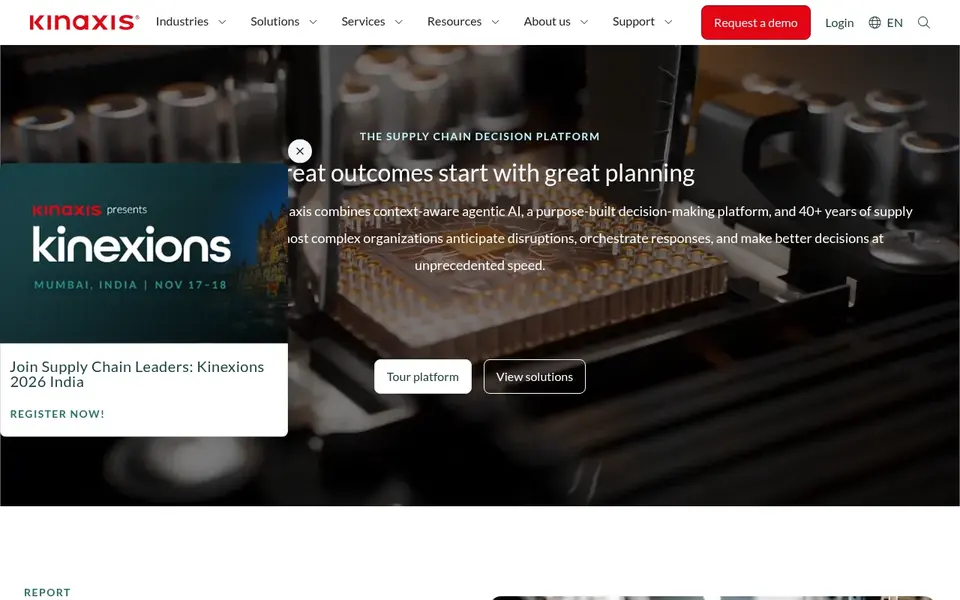
Kinaxis RapidResponse is aimed squarely at agile supply chain decisions. Its strength is supply chain visibility and collaboration, so a plant seeking only in-depth machine-level scheduling may find the scope broader than required.
More specifically, check how it would link to your existing execution systems. Kinaxis RapidResponse does not show a starting price in this comparison, so check the vendor site for current pricing. On free options: Not stated.
Drawbacks to consider: Supply chain focus over shop floor detail.
- End-to-end transparency
- Collaborative decision support
- Wide scope may exceed straightforward needs

o9 Solutions works best for enterprise planning and execution. The system is oriented toward enterprise planning, so a small operation focused purely on production scheduling may prefer a narrower tool.
In practice, evaluate whether the connected planning scope matches your actual decision needs. Pricing for o9 Solutions is not stated here, so ask the vendor for current figures. Trial and free access: Not stated.
Where it falls short: May be heavy for single-site scheduling.
- Links planning across functions
- AI-powered product
- Enterprise-scale scope
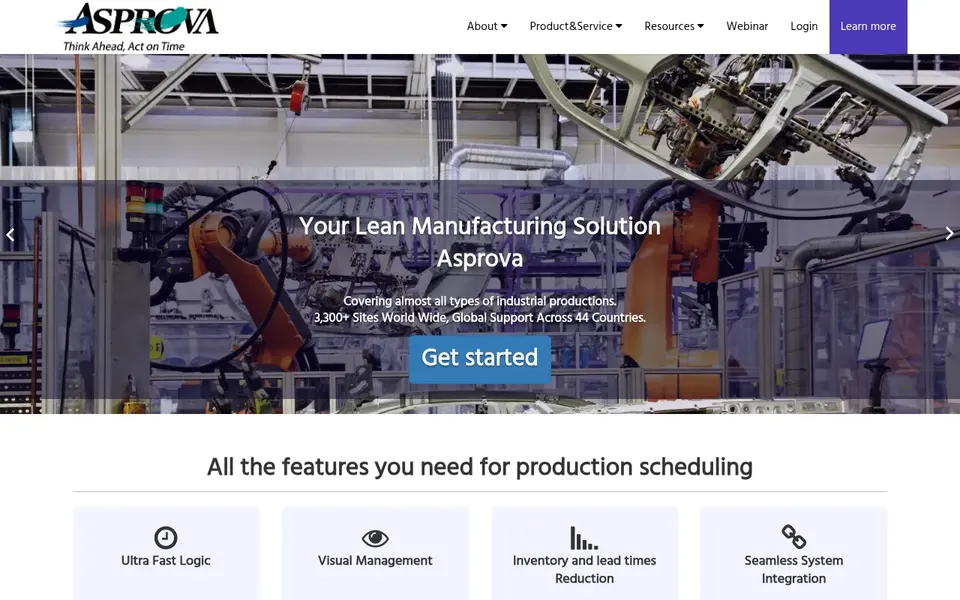
In short, Asprova is for dedicated production scheduling. It fits operations teams that want a tool centered on the scheduling problem itself.
It can serve as the scheduling layer alongside other systems you already run. Pricing for Asprova is not stated here, so ask the vendor for current figures. As for free access: Not stated.
Where it falls short: Less emphasis on supply chain execution.
- Concentrated on production planning
- Purpose-built scheduling system
- Narrower than full enterprise suites
Blue Yonder makes the most sense for end-to-end supply chain coverage. Blue Yonder describes an end-to-end product for planning, execution, commerce and returns that aims to transform supply chains.
It suits organizations that want one connected system spanning several supply chain functions, with production scheduling as part of a wider set of capabilities. This comparison lists no price for Blue Yonder; ask the vendor. Free plan details: Not stated.
Where it is weaker: Scheduling is one part of the suite.
- Planning through execution and returns
- Wide supply chain system
- Large footprint
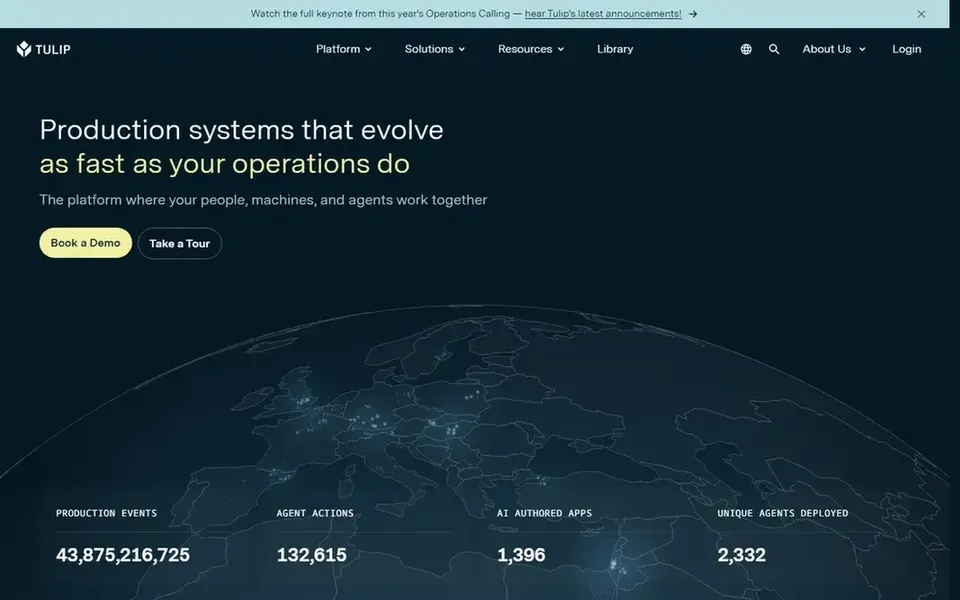
Tulip is built with Composable frontline operations in mind. Since Tulip is a product for building options, organizations looking for a ready-made scheduling engine may need more configuration work.
What to check first: Requires building options yourself.
It suits teams that want to assemble their own operational applications around frontline work instead of adopt a fixed scheduling product from day one. Entry price for Tulip: $100 per interface per month. Tulip does not include a free plan.
- AI-native composable product
- Quality and traceability
- Not a dedicated scheduling engine
Pre-purchase checklist
- Ask Kinaxis RapidResponse, o9 Solutions, Asprova and Blue Yonder for a written quote, since no starting price is shown.
- Before choosing Kinaxis RapidResponse, weigh its main limit: supply chain focus over shop floor detail.
- Check the support hours and onboarding help Tulip offers; smaller vendors vary a lot here.
- Map your must-have features to a specific o9 Solutions plan before you compare prices.
- Before rolling out Blue Yonder, verify the integrations your workflow depends on.
Frequently asked questions
Does any tool for AI production scheduling software here have a free plan?
No tool in this list, Kinaxis RapidResponse and Tulip included, has a permanent free plan. Trials and quotes are the usual route, so plan a short evaluation period.
Can I try these options before paying?
Not by default. None of the tools, from Kinaxis RapidResponse to Tulip, lists a free plan or a free trial here, so ask each vendor for a demo before committing.
How are the tools for AI production scheduling software ordered?
The order follows typical fit for AI production scheduling software, with Kinaxis RapidResponse first and Tulip last, then price clarity and free access. It is editorial judgement, not a score, so another team could rank the tools differently.
Is Kinaxis RapidResponse the right pick for everyone comparing AI production scheduling software?
No single tool suits every team. Kinaxis RapidResponse comes first because it fits agile supply chain decisions, while o9 Solutions suits enterprise planning and execution and Asprova suits dedicated production scheduling. Match the tool to your own size, budget and workflow before deciding.
What is the difference between scheduling software and a planning suite?
Scheduling software concentrates on sequencing production work within the plant, whereas planning suites link supply chain, finance and operations across the business.
Sources
See where you really rank - block by block
ProMapRanker scans Google Maps across a grid of your service area. Simple monthly plans from $19, white-label on every plan.
Start freeBrowse all guides
← AI Multichannel Retail Software: Best Picks of 2026Top Amazon Bedrock Alternatives for 2026, With Prices →
 best product analytics software for real estate agents
6 Best Product Analytics Software for Real Estate Agents for 2026
6 best product analytics software for real estate agents, compared on pricing, free plans and best-fit use. Each entry gets a plain verdict. Straight answers.
Read → best order fulfillment software for handmade sellers
6 Best Order Fulfillment Software for Handmade Sellers for 2026
Searching for the best order fulfillment software for handmade sellers? Here are 6 options with prices and free plans. Each entry gets a plain verdict. No hype.
Read → best llm optimization service for ai products
LLM Optimization Service for AI Products: Best Picks of 2026
Best llm optimization service for AI products: 5 tools compared on price, free plans and fit. Costs and caveats sit beside each pick. Checked this month.
Read → best workforce management software for retail
7 Best Workforce Management Software for Retail Options for 2026
Best workforce management software for retail in 2026: 7 tools with starting prices, free plans and limits. Every entry states what it lacks. Costs up front.
Read → best saas ecommerce platforms
Best SaaS Ecommerce Platforms in 2026
Compare the best SaaS ecommerce platforms for 2026, from Shopify and BigCommerce to Wix and Squarespace, with pricing, features and honest limits today.
Read → best channel manager software
Channel Manager Software Compared
7 products for the best channel manager software, ranked by fit, with starting costs and free tiers. Prices and drawbacks included. Read the profiles.
Read →More in Ecommerce & Retail · All guides A to Z by date · Latest guides