 ProMapRanker
Best AI Photo Culling Software in 2026


High-volume wedding and portrait photographers · Pricing starts at: See website
Key takeaways
- Aftershoot suits high-volume wedding work because it runs locally and groups duplicates before you review.
- Narrative Select suits photographers who want AI scores and scene grouping without automatic selection.
- Photo Mechanic and FastRawViewer remain strong when you want manual speed and full control over every pick.
- Most AI tools still need a human review pass, so judge them on review speed, not on the first pass alone.
Quick comparison
| Pick | Great for | Pricing starts at | Free tier | |
|---|---|---|---|---|
| Aftershoot | High-volume wedding and portrait photographers | See website | Free trial | Visit |
 Narrative Select | Photographers who want AI help without auto-selection | See website | Free trial | Visit |
 FilterPixel | Event, sports and concert photographers on deadlines | See website | Free trial | Visit |
 Imagen | Photographers who also want AI editing in one place | See website | Free trial | Visit |
 Photo Mechanic | Sports and news photographers who trust their own eye | See website | Free trial | Visit |
 Excire Foto | Photographers who want local AI search without a subscription | See website | Free trial | Visit |
 Adobe Lightroom Classic | Photographers already inside the Adobe system | See website | Free trial | Visit |
 Capture One | Studio and tethered photographers who edit in Capture One | See website | Free trial | Visit |
 FastRawViewer | Photographers who want fast technical RAW checks | See website | Free trial | Visit |
The best ai photo culling software
We compared current options for best ai photo culling software to help you shortlist with confidence. The tools below cover well-known leaders and strong smaller options, and each one earns its place for a different kind of buyer. Read the fit line first, then the strengths and the honest catch, since the best tool for a large team is rarely the best tool for a solo buyer.
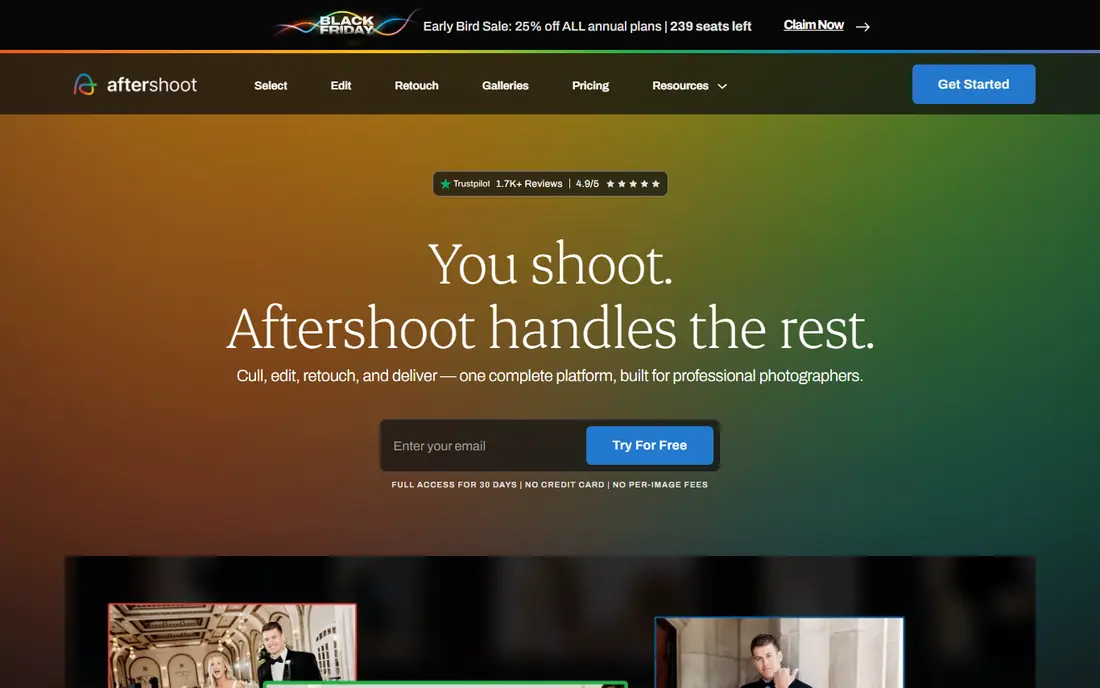
For photographers who want a faster first pass, wedding and portrait photographers who return with thousands of frames. It groups duplicates and similar frames, checks focus and eyes, and lets you set how many selects you want from a shoot. That focus shapes the daily experience more than any single feature claim, since you will live with the workflow, the limits and the support model long after the trial ends.
The catch is cost for occasional shooters, and the wider editing features may feel like extra weight when you only want culling. Check the trial limits before you commit, and run it on a real recent shoot rather than a small test folder. The right question is not whether the tool is good in general, but whether it fits your volume, your team and the way you already work.
- Local processing
- Duplicate grouping
- Adjustable select targets
- Subscription cost adds up for part-time shooters
- Editing upsell may not suit everyone
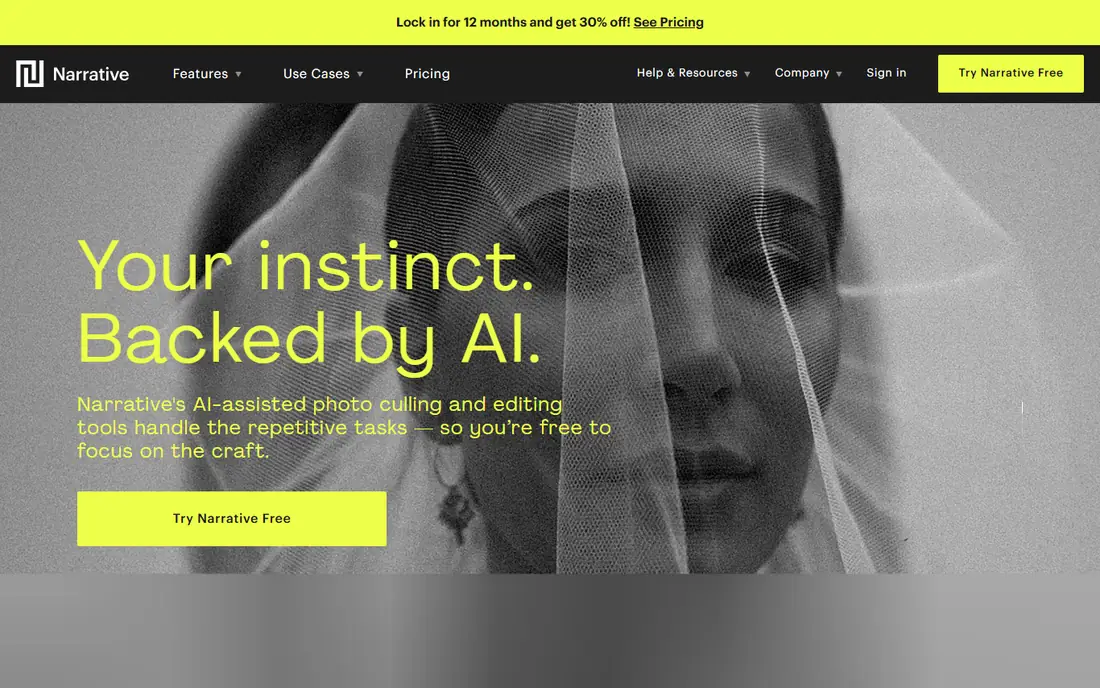
If your main pain is the sheer size of a shoot, photographers who like to make every final call themselves. It scores focus and eyes and groups scenes so you can move through a shoot in order, without the software deleting or selecting for you. That focus shapes the daily experience more than any single feature claim, since you will live with the workflow, the limits and the support model long after the trial ends.
The trade-off is speed on very large jobs, since you still review and pick each keeper. That control is the point for many portrait and wedding shooters. It is worth comparing the export and handoff steps, since that is where time often leaks back in. The right question is not whether the tool is good in general, but whether it fits your volume, your team and the way you already work.
- Scene grouping
- Eye and focus scores
- Keeps final picks with you
- No automatic selection for photographers who want a full auto pass
- Lightroom-focused workflow
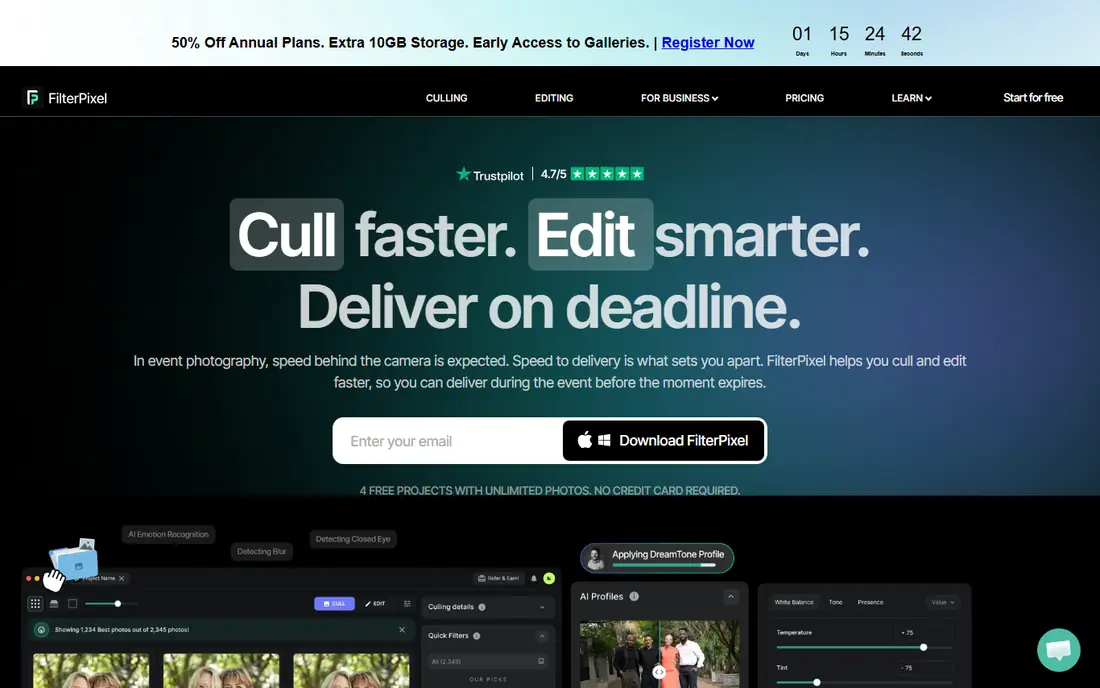
A solid choice when control matters as much as speed, event and sports photographers who need same-night delivery. It gives each frame a score with a reason, and its genre settings help separate fast action work from portraits and weddings. That focus shapes the daily experience more than any single feature claim, since you will live with the workflow, the limits and the support model long after the trial ends.
Cloud processing means upload time on large shoots, and you should check how client images are stored. For deadline work, the clear scoring can still save a long night. Ask about file handling and privacy before you upload client work, especially for paid client shoots. The right question is not whether the tool is good in general, but whether it fits your volume, your team and the way you already work.
- Genre-aware scoring
- A score and reason for each pick
- Cloud workflow
- Cloud uploads add time and storage questions
- Genre models may suit some shoots better than others
When the workflow around the tool matters, photographers already editing with AI profiles who want culling in the same place. It hands culling selects straight into an editing profile, so the cull and the edit share the same direction. That focus shapes the daily experience more than any single feature claim, since you will live with the workflow, the limits and the support model long after the trial ends.
The catch is that the strongest case comes when you use both culling and editing. If you only want culling, compare the cost with a culling-only tool first. The best test is a full job end to end, from import to the point where edits begin. The right question is not whether the tool is good in general, but whether it fits your volume, your team and the way you already work.
- Culling linked to editing profiles
- Lightroom Classic compatibility
- Cloud projects
- Pricing depends on plan and usage
- Best value when you also use its editing
For teams that need a predictable routine, sports and news photographers who need speed above automation. It is built for ingest and rapid review, with fast RAW viewing and captioning that news and sports desks rely on. That focus shapes the daily experience more than any single feature claim, since you will live with the workflow, the limits and the support model long after the trial ends.
There is no AI first pass here, so a large wedding cull still takes your own time. For shooters who distrust auto-selection, that manual control is a feature, not a gap. If the tool slows down your review step, the time saved on the first pass may not be worth it. The right question is not whether the tool is good in general, but whether it fits your volume, your team and the way you already work.
- Very fast ingest and viewing
- Strong metadata and caption tools
- No AI guesswork
- No AI auto-culling
- You do all selection work yourself
Excire Foto
Great for: Photographers who want local AI search without a subscription
A practical option for smaller workloads, photographers who prefer a one-time purchase and local files. It adds local AI search and culling to photo management, so you can find and sort images without sending them to a server. That focus shapes the daily experience more than any single feature claim, since you will live with the workflow, the limits and the support model long after the trial ends.
The upfront price needs a longer view, since a monthly tool may cost less in year one. For photographers who dislike subscriptions, the local model is the main draw. Check the trial limits before you commit, and run it on a real recent shoot rather than a small test folder. The right question is not whether the tool is good in general, but whether it fits your volume, your team and the way you already work.
- Local AI search and culling
- One-time purchase option
- No cloud upload needed
- Upfront cost is higher than a monthly plan
- Editing features are limited
If you already work inside a larger system, photographers who already pay for Adobe and edit in Lightroom Classic. It keeps culling, rating and editing in one catalog, which removes a handoff step and keeps your flags where your edits live. That focus shapes the daily experience more than any single feature claim, since you will live with the workflow, the limits and the support model long after the trial ends.
Dedicated tools may group duplicates and score faces more directly. If your volume is moderate, staying inside Lightroom may be simpler than adding another app. It is worth comparing the export and handoff steps, since that is where time often leaks back in. The right question is not whether the tool is good in general, but whether it fits your volume, your team and the way you already work.
- Assisted culling inside the editor
- Catalog and rating tools
- Wide preset support
- Subscription only
- Culling is less specialised than dedicated tools
Capture One
Great for: Studio and tethered photographers who edit in Capture One
For buyers who want a simple setup, studio photographers who shoot tethered and edit in Capture One. It suits a session workflow where capture, rating and editing stay together, and its colour and RAW tools are a known strength. That focus shapes the daily experience more than any single feature claim, since you will live with the workflow, the limits and the support model long after the trial ends.
If AI culling is your main need, a dedicated tool will likely do more of that job. Capture One wins when the editor itself is the reason you stay. Ask about file handling and privacy before you upload client work, especially for paid client shoots. The right question is not whether the tool is good in general, but whether it fits your volume, your team and the way you already work.
- Strong RAW editing and tethering
- Rating and sorting inside the editor
- Session workflow
- Subscription or licence cost
- AI culling is not its main focus
When budget and ease both count, photographers who want to check focus and exposure before editing. It opens RAW files quickly and helps you judge sharpness and exposure without waiting for a full catalog import. That focus shapes the daily experience more than any single feature claim, since you will live with the workflow, the limits and the support model long after the trial ends.
It does not pick keepers for you, so it pairs best with a rating habit or another culling tool. For technical checks, its speed is hard to beat at its price. The best test is a full job end to end, from import to the point where edits begin. The right question is not whether the tool is good in general, but whether it fits your volume, your team and the way you already work.
- Fast RAW viewing
- Focus and exposure checks
- Low cost
- No AI selection
- Mainly a viewing and checking tool
How we picked these
We compared official feature pages, pricing pages and app listings for tools that cull still photos in 2026, and we kept only tools that are still sold and supported. We looked for clear handling of blur, closed eyes, duplicates and similar frames, plus how selects move into editing software. We did not claim hands-on testing. Where a price or trial detail was not clearly shown on the vendor site at the time of writing, we wrote See website rather than guessing.
How to choose an AI photo culling tool
Start with volume. A wedding photographer with thousands of frames per job needs batch handling and duplicate grouping. A portrait photographer with a few hundred frames may get more value from a simple scoring tool and a clean review screen.
Check where the work happens. Local processing keeps client files on your own machine and avoids upload waits. Cloud processing can help on a slow computer, but it adds upload time and raises questions about how client images are stored. Read the privacy page before you send a full shoot to any cloud service.
Test the review step. The first pass is only part of the job. You still need to scan selects, rescue a missed frame and change a borderline call quickly. A tool with a slow loupe view or awkward flagging will cost you the time it saved. Run a complete recent shoot through any trial before you pay for a year.
Frequently asked questions
What is the best ai photo culling software for weddings?
For most wedding photographers, Aftershoot is the common starting point because it handles large shoots locally and groups similar frames. Narrative Select is a good alternative when you want scores and grouping but want to make every selection yourself. Your editing software and shoot size matter more than any single feature list.
Do AI photo culling tools replace the photographer?
No. These tools make a technical first pass on focus, eyes and duplicates, but taste, story and client preference still need a person. Most photographers review the selects and rescue frames the software ranked low. Treat the output as a draft shortlist, not a final gallery.
What is the best ai photo culling app for a small budget?
Start with a free plan or trial from Narrative Select or FilterPixel, and compare them with FastRawViewer for manual checks. Free tiers often limit the number of photos or projects, so check those limits against a real shoot. A low monthly price only helps when the tool fits your review habit.
Can I cull inside Lightroom or Capture One instead?
Yes. Lightroom Classic offers assisted culling, and Capture One lets you rate and sort inside the editor you already use. That route avoids a second app and a second subscription. A dedicated culling tool earns its place mainly when volume is high or when you want duplicate grouping and face checks.
How accurate is AI photo culling?
Accuracy varies by genre, lighting and subject. Sports sequences, group portraits and low-light events can confuse scoring, and a technically sharp frame is not always the best storytelling frame. Use the AI score as a sorting aid, then check faces, expressions and moments yourself before delivery.
Sources
See where you really rank - block by block
ProMapRanker scans Google Maps across a grid of your service area. Simple monthly plans from $19, white-label on every plan.
Start freeKeep reading
 outreach alternatives
Outreach Alternatives in 2026
Compare outreach alternatives for 2026, from Salesloft and Apollo to HubSpot and Lemlist, with pricing, channels, features, limits, and honest trade-offs.
Read → best web conference tools
Best Web Conference Tools in 2026
Compare the best web conference tools for meetings, webinars and team calls, with current pricing, free plans and honest limits for each option here today.
Read → best voice cloning tools
Best Voice Cloning Tools in 2026
Compare the best voice cloning tools in 2026, from ElevenLabs and Descript to Resemble and Cartesia, with consent rules, pricing, licenses, and limits.
Read →