 ProMapRanker
Best AI Image to Video Tools March 2026

Key takeaways
- Runway and Kling offer the most reliable image-to-video quality for professional clips, with credit-based pricing to watch.
- Hailuo and Pika are strong low-cost options for social clips, with free credits to test before paying.
- Luma Dream Machine suits cinematic camera movement, while PixVerse suits stylised and character-led clips.
- Only animate photos you own or have permission to use, and do not animate photos of real people without their clear consent.
Quick comparison
| Pick | Great for | Pricing starts at | Free tier | |
|---|---|---|---|---|
 Runway | Professional image-to-video | $12 per month | Free trial | Visit |
 Kling | Reliable quality at low cost | $10 per month | Yes | Visit |
 Hailuo AI | Budget realistic clips | $9.99 per month | Yes | Visit |
 Luma Dream Machine | Cinematic camera movement | $30 per month | No | Visit |
 Pika | Creative effects and social clips | $10 per month | Yes | Visit |
 PixVerse | Stylised and character clips | See website | Yes | Visit |
 Vidu | Low-cost short clips | $8 per month | Yes | Visit |
 Hedra | Character and dialogue clips | $15 per month | Yes | Visit |
The best ai image to video tools march
The best image to video ai tools march searches point to a clear job: take a still photo and turn it into a short moving clip. The best free ai image to video tools march options are also useful, but free credits, watermarks, and commercial use rules differ sharply. These eight tools all support image-to-video in October 2026, and Sora is not listed, since its consumer access ended in April 2026 and its API ended in September 2026.
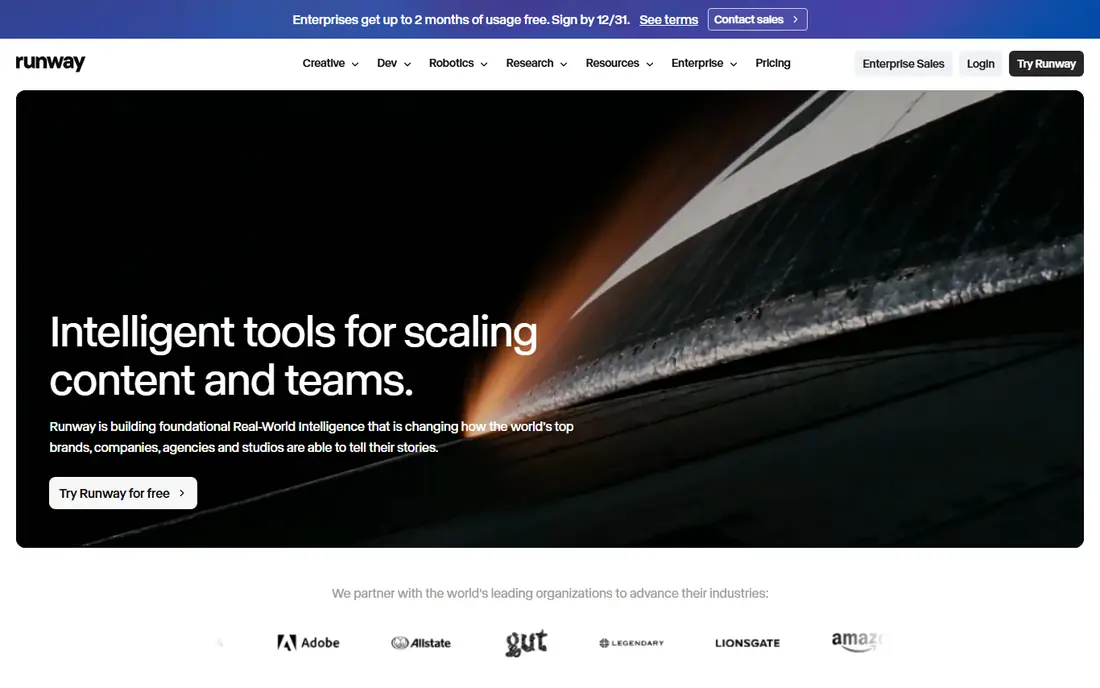
Runway is the professional pick for image-to-video work, especially when a clip must match a product, a scene, or a brand style. Gen-4 can animate a photo with camera movement, subject motion, and style control, and the results hold up better than many cheaper tools on faces, hands, and backgrounds. The web editor and API both support image-to-video, which helps teams that need repeatable output.
Pricing starts at Standard, $12 per month on annual billing, with 625 credits, and clean exports start from that paid tier. Free credits are limited and one-time, so test with a small set of images before committing. For client work and ads, Runway is worth the higher credit cost. For casual social clips, a cheaper tool may be enough.
- Strong Gen-4 image-to-video quality
- Consistent characters and scenes
- API for production workflows
- Credit use varies by model and length
- Free credits are one-time, not monthly
- Higher plans needed for heavy volume
Kling, from Kuaishou, is the value pick for creators who want near-professional quality without a professional budget. Standard at $10 per month includes 660 credits, and the cost per short clip is lower than Runway in many comparisons. Motion is smooth, physics feel plausible, and supported models can add native audio, which saves a separate sound step.
The free tier is useful for testing, but it is limited and exports carry a watermark, with commercial use restricted. If you plan to publish client or ad work, move to a paid plan and check the commercial terms for your tier. For YouTube, social, and product clips, Kling is our pick for most people on a budget.
- Strong motion quality for the price
- Native audio on supported models
- Good value per clip on Standard
- Free tier has no monthly credits in some listings
- Commercial use on free is restricted
- Watermark on free exports

Hailuo AI, from MiniMax, is a strong budget option for realistic short clips from photos. Standard at $9.99 per month includes 1,000 credits, and the Fast variant cuts generation time and cost for drafts. That makes Hailuo useful for social content, internal demos, and rapid prototyping, where good enough quality matters more than cinematic polish.
The trade-off is consistency. Hailuo handles many everyday scenes well, but complex motion, faces, and hands can vary more than on Runway or Kling. Test the same photo across two models before you rely on it for a campaign, and check watermark and commercial rules for the plan you choose.
- Low entry price for realistic video
- Fast generation on the Fast variant
- Daily free credits behind sign-in in some listings
- Quality is less cinematic than Runway or Kling at the top end
- Credit and model tiers can confuse
- Watermark rules vary by plan
Luma Dream Machine grew from 3D scene capture, and that background shows in its camera work. Product reveals, architectural walkthroughs, and cinematic moves feel more grounded than on many rivals, with objects holding depth and lighting across frames. Ray models support longer clips than the early five-second limit, which helps for scenes that need time to breathe.
The price is the main barrier. Plus starts at $30 per month, and there is no free plan in the comparison we checked, so testing requires a paid plan or a trial offer on the site at the time you check. For cinematic product and architecture work, Luma earns that price. For everyday social clips, Kling or Hailuo will be cheaper.
- Strong spatial quality and camera movement
- Good for product and architecture clips
- Ray models support longer clips
- No free plan in the September 2026 comparison we checked
- Higher starting price than Kling or Hailuo
- Credit use varies by model
Pika is the creative pick, not the realism pick. Its effects let you swap elements, add objects, and build stylised transitions from a photo, and its sound engine can match effects to the action on screen. Starter at $10 per month includes 900 credits in the listings we checked, which goes a long way for short social clips.
For a serious product or documentary-style clip, Pika will not match Runway or Kling on realism. For memes, social posts, and playful brand clips, its effects are a genuine advantage. Check commercial use rules, since free use is not for commercial publishing, and Creator plans are needed for commercial work in some listings.
- Rich effects for swaps, additions, and transitions
- Sound effects matched to on-screen action
- Low cost per short clip
- Less realistic than Runway or Kling for serious scenes
- Commercial use needs a paid plan
- Quality varies by effect
PixVerse fills a niche that photorealistic tools do not target well: illustrated, anime, and stylised video. Its character reference feature helps keep a character looking consistent across a series, which matters for creators building a recurring cast. The free tier is useful for daily creation, and paid plans start around $12.99 per month in some listings, though we list the starting price as See website because listings differ.
For photorealistic work, choose Runway, Kling, or Hailuo instead. For a stylised series, a music video, or an illustrated brand character, PixVerse is the specialist pick. Test character consistency across three or four clips before committing to a series, since no tool holds a character perfectly every time.
- Strong for anime and stylised looks
- Character reference helps consistency across clips
- Free tier available for daily creation
- Less strong for photorealistic or cinematic clips
- Paid price varies by listing
- Character consistency still needs testing
Vidu is a low-cost option for creators who need short image-to-video clips and do not want a large monthly bill. Standard at $8 per month on annual billing includes 800 credits in the listings we checked, which is enough for regular short clips. The free tier lets you test the workflow, though it lacks high-resolution output and carries a watermark.
The limits are clear: free clips are not for commercial use, and longer or higher-resolution work will need a paid plan and more credits. For social drafts, internal demos, and learning image-to-video, Vidu is a good cheap start. For polished client work, compare Kling or Runway first.
- Low Standard price on annual billing
- Image-to-video with short clip support
- Free tier for testing
- No high-resolution video on the free tier
- Watermark on free exports
- Commercial use on free is restricted
Hedra is the pick when the clip needs a character who talks, reacts, or presents, rather than just a moving scene. You can start from a photo, add audio or dialogue, and build a character-led clip for social, education, or marketing. Basic at $15 per month includes 1,500 credits in the listings we checked, with a free plan for testing.
Hedra is not the best choice for a purely cinematic product reveal or a wide outdoor shot, where Runway or Luma will be stronger. For explainer clips, virtual presenters, and character content, it is a focused and useful tool. Check the free allowance and commercial terms for your plan, since they vary by listing.
- Strong for talking characters and dialogue-led clips
- Free plan with an allowance
- Useful for creators and educators
- Less suited to pure cinematic scene work
- Credit use varies by model and length
- Watermark and commercial rules need checking
How we picked these
We compared official product pages, pricing pages, and public pricing comparisons for image-to-video tools that are live in October 2026. We kept only tools that support image-to-video, not just text-to-video, and we checked free tiers, credit pricing, watermarks, and commercial use rules where listings stated them. We did not claim hands-on generation tests; our comparison is based on vendor pages and published comparisons. We excluded Sora as a live tool, since its consumer access ended in April 2026 and its API ended in September 2026.
Choosing by clip type and budget
Start with the clip you need, not the model name. A product reveal needs camera control and consistency, which points to Runway or Luma. A social clip needs speed and low cost, which points to Kling, Hailuo, or Vidu. A character series needs consistency and dialogue, which points to PixVerse or Hedra. Matching the tool to the clip saves more credits than any pricing trick.
Next, test the same photo on two tools before you pay. Use a photo with a face, hands, or text, since those reveal flaws fastest, and check motion, background stability, and lip sync where relevant. A tool that looks good on an outdoor scene may fail on a person, and that test will tell you more than a demo reel.
Finally, read the credit and commercial rules before a campaign. Credits per clip vary by model, length, and resolution, and free exports often carry a watermark or ban commercial use. Budget for re-rolls, since even the best tools need more than one generation for a usable clip, and keep the rights and consent for every photo you animate. That test also helps when comparing the best free image to video ai tools march options, since free credits and watermarks differ by plan.
Frequently asked questions
What is the best free ai image to video tool?
Kling, Hailuo, Pika, PixVerse, Vidu, and Hedra all offer free tiers or free credits, but free usually means a watermark, a credit limit, or no commercial use. For testing, Kling and Hailuo are strong free starting points. For publishing, move to a paid plan and check the commercial terms for that tier.
What is the best image to video ai tool for professional work?
Runway is the best professional pick on this list, with Kling close behind for value. Runway offers stronger consistency for client and ad work, while Kling offers similar quality at a lower cost per clip. Test both with your own product photos before committing to a monthly plan.
Can I animate a photo of a real person?
Only with that person's clear consent, and only for a use they have agreed to. Do not animate photos of real people to create misleading, intimate, or harassing content, and do not use a tool to imply endorsement that does not exist. For commercial work, get written permission and keep a record of it.
How long are image-to-video clips?
Most clips on these tools are short, often five to ten seconds, with some models supporting longer clips through extension or higher plans. Luma Ray models and some Kling and Runway options support longer output, but length, resolution, and credit cost rise together. Plan a story in short clips rather than expecting one long take.
Do free plans allow commercial use?
Usually not. Many free tiers ban commercial use, add a watermark, or limit resolution, and paid plans are needed for client, ad, or monetised publishing. Check the commercial terms for the exact plan you use, since they differ by tool and tier, and do not assume a free clip can be used in an ad.
Why do some clips look wrong on hands or faces?
AI video models still struggle with hands, faces, text, and fast motion, especially in longer clips or complex scenes. Shorter clips, simpler motion, and a clear, well-lit photo usually work better. If a clip fails, try a different prompt, a shorter duration, or a different model, and budget for re-rolls in any production plan.
Sources
See where you really rank - block by block
ProMapRanker scans Google Maps across a grid of your service area. Simple monthly plans from $19, white-label on every plan.
Start freeKeep reading
 outreach alternatives
Outreach Alternatives in 2026
Compare outreach alternatives for 2026, from Salesloft and Apollo to HubSpot and Lemlist, with pricing, channels, features, limits, and honest trade-offs.
Read → best web conference tools
Best Web Conference Tools in 2026
Compare the best web conference tools for meetings, webinars and team calls, with current pricing, free plans and honest limits for each option here today.
Read → best voice cloning tools
Best Voice Cloning Tools in 2026
Compare the best voice cloning tools in 2026, from ElevenLabs and Descript to Resemble and Cartesia, with consent rules, pricing, licenses, and limits.
Read →