 ProMapRanker
7 Strong AI Citation Analysis Software Options in 2026


Free AI-powered paper search · Pricing starts at: See website
Direct answer
Semantic Scholar is the first pick on this list for free AI-powered paper search. Look at Connected Papers for visual citation graphs, and at Litmaps for literature review maps. Details, prices and limits for the rest of the 7 tools are below.
Key takeaways
- The list opens with Semantic Scholar, aimed at free AI-powered paper search.
- Before buying Semantic Scholar, weigh this: interface is a search engine, not a workspace.
- Semantic Scholar, ResearchRabbit and the 5 others all sell by quote; expect sales conversations before you see a price.
- Free plans are common here: 6 of 7 tools have one, including Semantic Scholar, Connected Papers, Litmaps and Inciteful.
- ResearchRabbit fits Iterative paper discovery.
Quick comparison
| Pick | Great for | Pricing starts at | Free tier | |
|---|---|---|---|---|
| Semantic Scholar | Free AI-powered paper search | See website | Yes | Visit |
 Connected Papers | Visual citation graphs | See website | Yes | Visit |
 Litmaps | Literature review maps | See website | Yes | Visit |
 Inciteful | Free citation network search | See website | Yes | Visit |
 Elicit | Systematic literature reviews | See website | Yes | Visit |
 Scite.ai | Smart citation classification | See website | No | Visit |
 ResearchRabbit | Iterative paper discovery | See website | Yes | Visit |
AI Citation Analysis Software profiles
ProMapRanker put together this guide to AI citation analysis software for readers who want a clear shortlist without reading every vendor page. It compares 7 tools on starting price, free plans, who each one suits and where each one falls short.
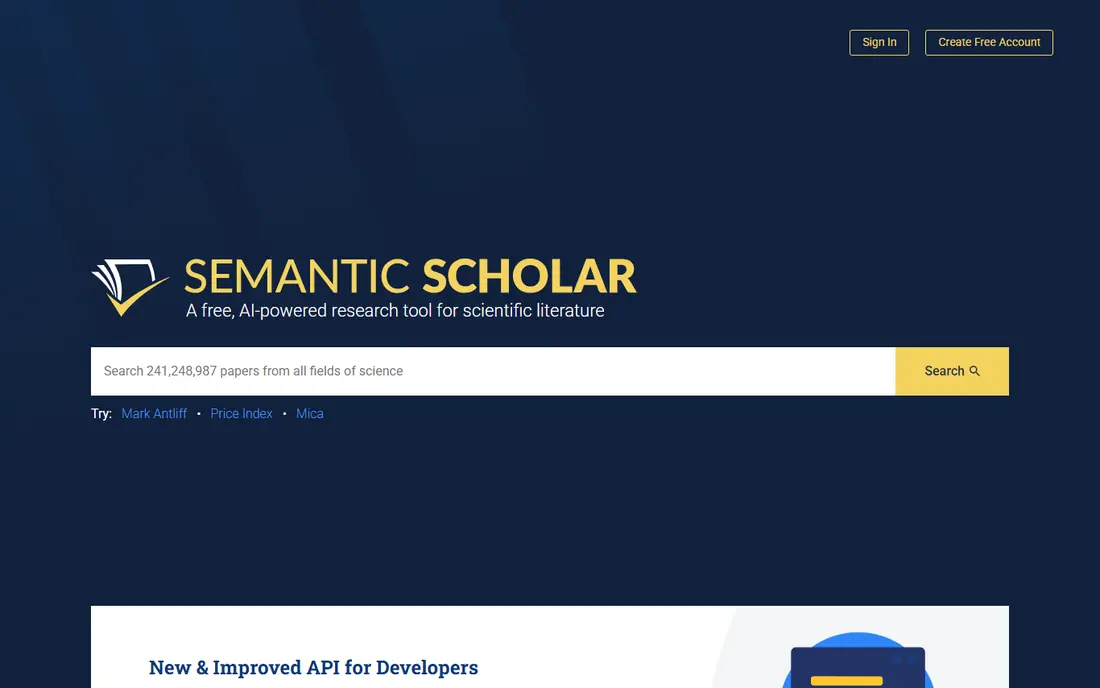
In short, Semantic Scholar is for free AI-powered paper search. The Semantic Reader supplies an augmented reading experience for select papers.
Strengths: Fully free.
As for the details, start every literature search here. Since it is nonprofit and free, it is the baseline every researcher should use before paying for anything. Semantic Scholar does not show a starting price in this comparison, so check the vendor site for current pricing. Semantic Scholar includes a free tier.
- 238M-plus papers
- TLDR summaries and citation intent
- Interface is a search engine, not a workspace
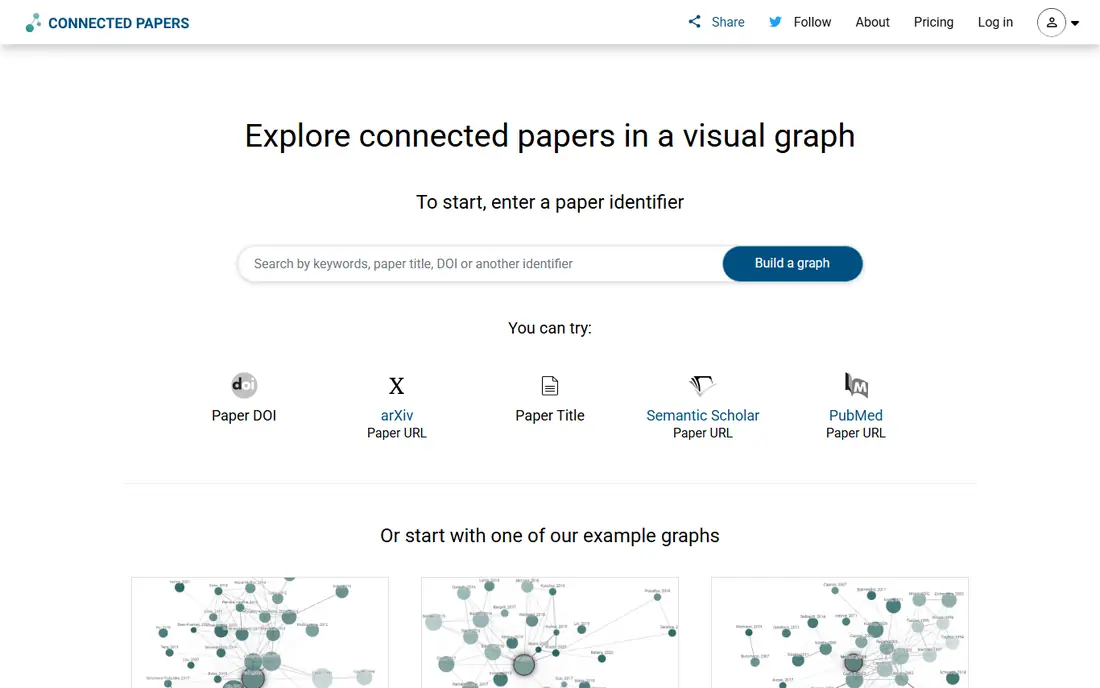
Connected Papers makes the most sense for visual citation graphs. Export citations as BIB files for your reference manager.
Limits to weigh: No login-free saving.
Connected Papers builds a visual graph of similar papers from one seed paper, using co-citation and bibliographic coupling over the Semantic Scholar database. More specifically, the derivative works view frequently surfaces the state of the art you haven't read yet. Pricing for Connected Papers is not stated here, so ask the vendor for current figures. Free access exists with Connected Papers.
- Easy-to-learn visual interface
- Prior and derivative work views
- Five free graphs a month
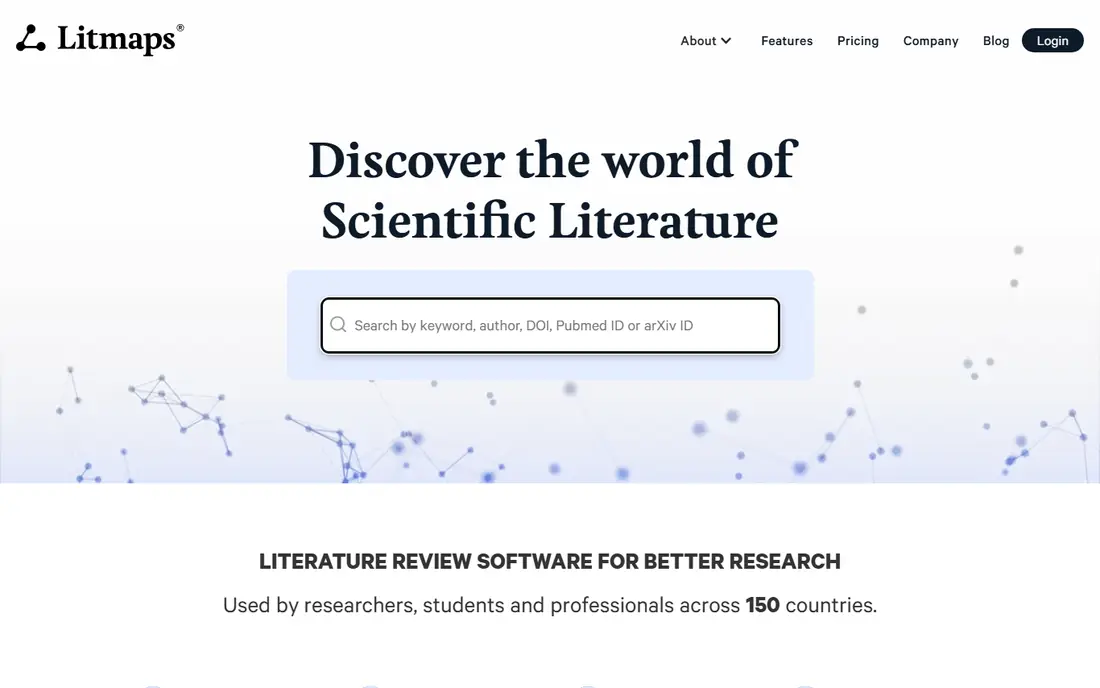
Litmaps works best for literature review maps. Build a seed map for your thesis topic and turn on monitoring.
Drawbacks to consider: Advanced features need a subscription.
Worth adding: Litmaps merges interactive citation maps, modern search and email alerts on new research tied to your maps. No starting price is listed for Litmaps here; confirm pricing on the vendor site. Litmaps includes a free tier.
- New-paper alerts
- Interactive citation maps
- Maps need a desktop screen
Where Inciteful fits: free citation network search. Inciteful takes a different approach: citations are the cornerstone of search. More specifically, use Inciteful when you want citation-driven discovery without paying.
Also, export findings to Zotero or Mendeley. Also, note the branding: the academic tool lives at inciteful.xyz, now presented as Inciteful Academic alongside Inciteful Med. On top of that, the link-prediction results commonly surface recent papers that keyword search misses. The database handles over 240 million papers and 2 billion citations, and the core tools are free forever. Inciteful shows no starting price here, so confirm the cost on the vendor site. A free plan is available with Inciteful.
Where it is weaker: Interface is utilitarian.
- Link prediction algorithms
- 100 percent free
- No AI-generated prose answers
Where Elicit fits: systematic literature reviews. Elicit is the AI research assistant designed for evidence-based work. On top of that, start free with one literature review question.
The free plan gives you monthly credits, enough to run reports and try the systematic literature review workflow. More specifically, premium plans add Plus, Pro and Team levels with higher usage. Data extraction tables let you compare interventions, outcomes and sample sizes across papers. Ask a research question and it searches over 138 million academic papers plus 545,000 clinical trials, then creates structured research reports with sentence-level citations. This comparison lists no price for Elicit; ask the vendor. You can start on Elicit without paying.
Where it falls short: Most solid in well-indexed fields.
- Free plan with monthly credits
- Research reports with sentence-level citations
- Credit limits on free level
For smart citation classification, Scite.ai is a natural candidate. The product searches over 300 million articles, preprints, books, patents and datasets, with every AI answer grounded in real papers. It is a product of Research Solutions (NASDAQ: RSSS), which has added a Scite MCP server and a Claude connector for premium subscribers.
Points against: Analysis restricted by full-text availability.
In practice, use Scite when evaluating the evidence for a claim. Its Smart Citations technology reads the full text of citing articles and classifies each citation as supporting, mentioning or contrasting the cited claim. That turns a citation count into an evidence signal: you can see at a glance whether a finding has held up. Scite.ai shows no starting price here, so confirm the cost on the vendor site. There is no free plan with Scite.ai.
- 300M-plus articles indexed
- MCP and Claude connectors
- Premium plans for full access
ResearchRabbit works best for Iterative paper discovery. A 2025 revamp added a cleaner iterative rabbit-hole flow.
The system is free and trusted by over a million researchers at institutions including Stanford, Harvard and Cornell, with access to over 310 million papers. Import your Zotero library to start from your existing collection. ResearchRabbit shows no starting price here, so confirm the cost on the vendor site. ResearchRabbit includes a free tier.
Drawbacks to consider: Recommendations need seed input to shine.
- Fully free
- Spotify-style paper collections
- Needs registration
What went into this list
Selection started from tools commonly considered for AI citation analysis software, then narrowed to 7 that have clear pricing information or a clear quote process. Treat prices as a snapshot: vendors change plans often, so check the vendor site for the figure that applies today. The sequence is a judgement call: typical use case first, then pricing transparency, then free access. Use the profiles to check fit.
Questions to settle before buying
- Request quotes from Semantic Scholar, ResearchRabbit and the others; the list shows no fixed prices.
- Read the fine print on the free plans from Semantic Scholar, Connected Papers, Litmaps and others; seat, project and feature caps differ.
- Before choosing Semantic Scholar, weigh its main limit: interface is a search engine, not a workspace.
- Find out whether the entry plan of Semantic Scholar covers your must-haves or only a trimmed-down version.
- The entry price of Scite.ai is only the starting point; model the full cost with seats and extras.
Frequently asked questions
Which tool presents whether a paper's findings were supported or contradicted?
Scite's Smart Citations classify each citation as supporting, mentioning or contrasting the cited work, based on full-text analysis of the citing article.
Is Semantic Scholar the right pick for everyone comparing AI citation analysis software?
No single tool suits every team. Semantic Scholar comes first because it fits free AI-powered paper search, while Connected Papers suits visual citation graphs and Litmaps suits literature review maps. Match the tool to your own size, budget and workflow before deciding.
How are the tools for AI citation analysis software ordered?
Semantic Scholar sits first and ResearchRabbit last because the order follows typical fit for AI citation analysis software, then price clarity and free access. It is a judgement call, so read each profile for fit and limits.
Can I try these options before paying?
Often, yes. Semantic Scholar, Connected Papers, Litmaps and others have a free plan. Use your own data and a real task during the test, and check what the free tier or trial limits before you rely on it.
Which options for AI citation analysis software have a free plan?
On this list, 6 of 7 tools include a free plan, among them Semantic Scholar, Connected Papers, Litmaps and Inciteful. Caps on seats, usage or features are common, so test the free plan against your real workload.
Sources
See where you really rank - block by block
ProMapRanker scans Google Maps across a grid of your service area. Simple monthly plans from $19, white-label on every plan.
Start freeKeep reading
 zoho inventory alternatives
6 Alternatives to Zoho Inventory, Compared on Price and Fit
Zoho Inventory alternatives: 6 tools compared on price, free plans and fit. Katana leads the list for manufacturers. Fit and flaws are laid out for each entry.
Read → zoho crm alternatives
Best Zoho CRM Alternatives (2026)
Need Zoho CRM alternatives? We compare 7 tools on cost, free access and who each suits. Every pick gets a straight assessment. Built for quick decisions.
Read → zelle alternatives
Best Zelle Alternatives in 2026
Compare the best Zelle alternatives for sending money to friends, paying sellers and moving funds abroad, with honest notes on fees, speed and safety in 2026.
Read →