 ProMapRanker
Best AI Blog Writing Tool in 2026

Key takeaways
- Jasper suits teams that need a consistent brand voice, while Rytr is the cheapest route for solo bloggers.
- Writesonic, Frase, Scalenut, and Surfer add SEO research and scoring to drafting, which helps if ranking is a goal.
- Copy.ai has shifted toward chat and go-to-market workflows, so it fits short copy and team workflows more than pure long-form blogging.
- Always check AI output for facts, quotes, and originality before publishing. AI drafts can invent details and echo source text, so edit and verify every claim.
Quick comparison
| Pick | Great for | Pricing starts at | Free tier | |
|---|---|---|---|---|
 Jasper | Brand voice and long-form drafts | $59 per month | Free trial | Visit |
 Copy.ai | Chat and team workflows | $24 per month | Free trial | Visit |
 Writesonic | SEO articles and visibility | $79 per month | Free trial | Visit |
 Rytr | Budget solo drafting | $7.50 per month | Yes | Visit |
 Frase | SEO briefs and research | See website | Free trial | Visit |
 Scalenut | SEO planning and drafting | See website | Free trial | Visit |
 Surfer | Content scoring and optimisation | $49 per month | Free trial | Visit |
 Anyword | Predictive scoring for copy | $39 per month | Free trial | Visit |
 Grammarly | Editing and polish | $12 per month | Yes | Visit |
The best ai blog writing tool
AI blog tools differ in what they do best. Some draft long posts, some build SEO briefs first, and some mainly polish a draft you already wrote. Pick the job you need most help with, then compare price.

Jasper is built for marketing teams that publish often and need a consistent tone across writers. Its brand voice feature learns from samples of your writing, so new drafts sound closer to your house style than a generic chatbot output. Templates for blog posts, outlines, and introductions speed up the first draft.
The price is the main barrier for solo bloggers. At $59 per month on annual billing for the Pro plan, with a higher monthly rate, it costs far more than Rytr. Output also needs real editing, especially for facts, structure, and original phrasing. If you run a team blog and tone consistency matters, Jasper earns its price. If you blog alone on a budget, start cheaper.
- Brand voice training
- Long-form templates
- Team collaboration features
- No permanent free plan
- Price rises with seats
- Output still needs editing
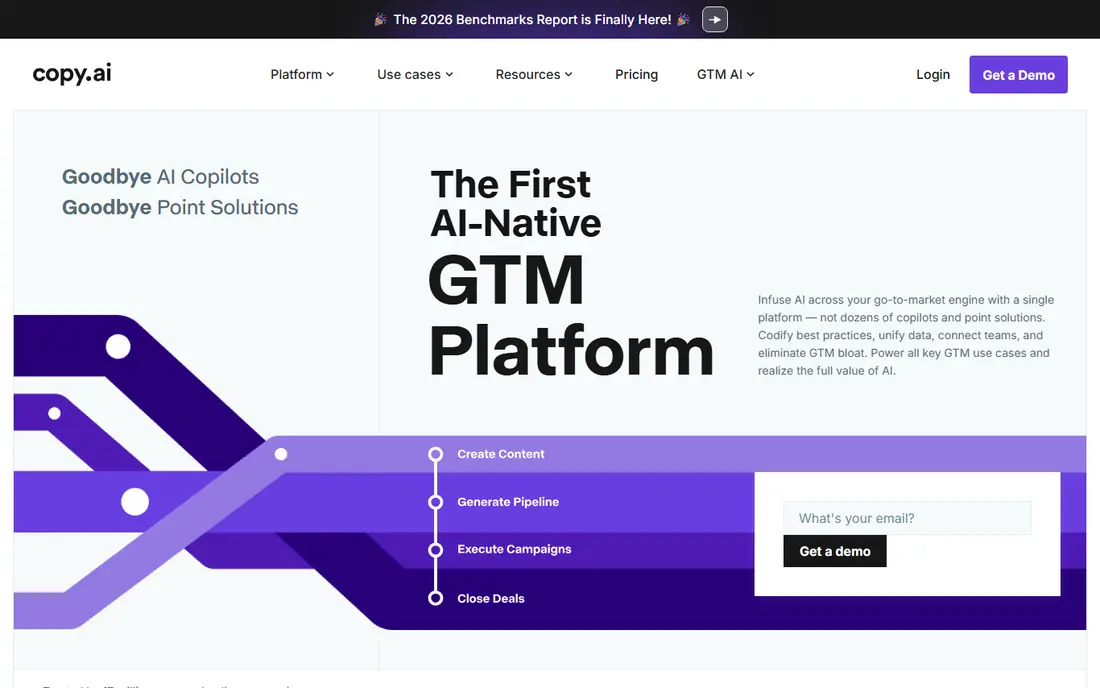
Copy.ai now centres on chat and go-to-market workflows rather than on long-form blog drafting alone. You can brainstorm angles, draft short sections, and build repeatable workflows for social posts, emails, and landing copy. For a small team that needs many kinds of copy, that breadth is useful.
Bloggers who want a full SEO brief, keyword clustering, and content scoring will find Copy.ai thinner than dedicated SEO tools. It works best as a drafting and brainstorming partner, paired with an editor or an SEO tool for optimisation. Check the current plan carefully, since Copy.ai has changed its tiers several times.
- Chat interface for quick drafts
- Workflow automation
- Flat pricing for small teams
- Shifted away from pure long-form blogging
- Less SEO depth than Frase or Surfer

Writesonic targets bloggers who want search traffic, not just a fast draft. Its article workflows combine research, outlining, and drafting, and newer plans add tracking for how content appears in AI search answers. That combination suits affiliate and content sites that publish at volume.
Price and article limits need a close look. The entry plan costs more than Jasper on some comparisons and caps monthly articles, so heavy publishers will need a higher tier. If you publish a few well-researched posts a month and care about search visibility, Writesonic is a strong fit. If you publish rarely, a cheaper drafter plus a separate SEO check may cost less.
- SEO article workflows
- AI search visibility tracking
- Bulk article options on higher plans
- Higher entry price than budget tools
- Article limits apply on lower plans
Rytr is the budget pick in this list by a wide margin. The free tier gives a monthly character allowance for testing, and the paid unlimited plan costs less than a lunch out in many cities. The interface is simple: pick a use case, add a topic, and generate sections you can edit.
Long, research-heavy posts are not its strength. Rytr gives you draft text, but it does not build the same detailed SEO brief as Frase, and it will not replace fact-checking or outlining for a complex topic. For solo bloggers who need help getting started and who edit carefully, Rytr offers the best value here.
- Very low price
- Permanent free tier
- Simple interface for short and medium drafts
- Less depth for long SEO posts
- Fewer research features than Frase or Scalenut
Frase starts with research, which is why many SEO bloggers like it. It analyses top-ranking pages for a topic, pulls common questions and headings, and builds a brief you can write to. That brief-first flow helps a post cover what readers actually ask, rather than guessing at structure.
Drafting inside Frase works, but the real value is the brief and the scoring as you write. Pricing is not as simple as a single headline number, so check the current plans for document limits and user seats. If ranking is your main goal, Frase plus careful editing is a better investment than a generic drafter alone.
- SERP-based briefs
- Question research
- Content scoring against top pages
- Pricing varies by plan
- Drafting is stronger when paired with a brief, not alone
Scalenut combines keyword research, content planning, and drafting in one workflow. You can cluster related keywords, plan a set of posts around a topic, and draft each post against an SEO report. That planning view helps bloggers who run a content site with many related articles.
The learning curve is steeper than Rytr or Jasper, since there are more planning screens to learn. Credit and article limits also vary by plan, so confirm what a monthly allowance covers before you commit. For a blogger building a topical site with a clear keyword plan, Scalenut is a practical all-in-one option.
- Keyword planning and clustering
- SEO reports
- AI drafting tied to a brief
- Pricing and credit limits need checking
- Interface takes time to learn
Surfer is less a drafter and more an optimiser. As you write, it scores your draft against top-ranking pages and suggests terms, headings, and length ranges that correlate with ranking. That live feedback helps a writer improve a post before publishing, rather than guessing after it fails to rank.
Surfer does not replace a drafter for bloggers who struggle to start. Many writers pair it with Jasper, Rytr, or a chatbot for the first draft, then use Surfer to shape the final version. If you already write well and your main problem is ranking, Surfer may give you more value than another drafting tool.
- Live content score
- SERP-based term guidance
- Audit tools for existing posts
- No permanent free plan
- Drafting is secondary to optimisation
Anyword stands out with predictive scoring, which estimates how a piece of copy might perform with a given audience. That helps when you write headlines, introductions, and calls to action, and it gives a second opinion before you publish. Brand voice controls help keep output closer to your style.
For long blog posts, Anyword is less focused than Frase or Scalenut, since its strength is performance copy rather than full article research. Treat its scores as a guide, not a promise, and test real results over time. Bloggers who also write ads and landing pages will get more from it than pure long-form writers.
- Predictive performance scores
- Brand voice controls
- Templates for many copy types
- Stronger for short and performance copy than for long blog posts
- Scoring is a guide, not a guarantee
Grammarly is the editing layer for every other tool in this list. It checks grammar, clarity, and tone as you write in a browser, a document, or an email, and paid plans add AI rewriting and plagiarism guidance. For a blogger, that polish stage is where a rough AI draft becomes readable.
Grammarly will not write a full blog post from a keyword, and its free plan covers basics rather than full AI drafting. Use it after you draft, whether the draft came from you, Jasper, Rytr, or another tool. The combination of a drafter plus Grammarly often beats a single tool that tries to do both jobs poorly.
- Grammar, clarity, and tone checks everywhere you write
- Free basic plan
- Plagiarism guidance on paid plans
- Not a long-form drafter
- AI features are limited on the free plan
How we picked these
We compared official pricing pages, feature pages, and recent comparisons for AI writing tools that still work in October 2026. We favoured tools with a clear blog workflow, whether drafting, briefing, optimisation, or editing, and we left out general chatbots that have no blog-specific workflow. Prices change often in this category, so confirm the current plan on the vendor site before subscribing.
How to use AI for blogs without harming quality
Start with a brief you control. Decide the angle, the audience, and the key points before you generate anything, and use the tool to draft sections, not to decide your position for you. Then edit for structure, remove repetition, and rewrite any passage that sounds generic. A reader should not be able to tell where the draft ended and your judgement began, because your judgement should be visible throughout.
Checking output is not optional. Verify facts, statistics, quotes, and product claims against a reliable source, and do not publish a claim you cannot support. Run a plagiarism check where available, and rewrite any passage that closely echoes a source, even if the tool produced it. Search engines and readers both punish thin, copied, or invented content, so a slower, checked post beats a fast, careless one. Disclose AI use where your publication policy or a client requires it, and keep a human editor in charge of the final version.
Frequently asked questions
What is the best ai blog writing tool?
Jasper is our pick for teams that need brand voice, Rytr is the cheapest solo option, and Frase or Scalenut suit SEO-focused bloggers. The best tool depends on whether you need drafting, research, scoring, or editing most. Many bloggers use two tools: one to draft and one to optimise or edit.
What are the best ai tools for blog writing on a budget?
Rytr is the lowest-cost paid option in this list, with a free tier for small use. Grammarly also has a useful free plan for editing. If you need SEO help on a budget, start with Rytr for drafting and add a trial of Frase or Surfer for optimisation, rather than paying for a full SEO suite at once.
What are the best ai blog writing tools for SEO?
Frase, Scalenut, Surfer, and Writesonic all add SEO research or scoring to drafting. Frase and Scalenut build briefs from top-ranking pages, Surfer scores a draft live, and Writesonic combines article drafting with visibility tracking. Pick the workflow you will actually use every week.
How do I avoid plagiarism with AI writing tools?
Check output with a plagiarism tool where available, rewrite passages that echo sources, and add your own examples, data, and analysis. Do not paste AI output straight into a post. A plagiarism check catches copied wording, but only your own editing adds original value and protects your reputation.
Can AI writing tools replace a human blogger?
No, not for posts that need judgement, experience, or verified facts. AI tools speed up drafting, outlining, and editing, but they can invent details and miss nuance. The strongest workflow is human-led: you set the angle, the tool drafts, and you verify, rewrite, and approve the final post.
Sources
See where you really rank - block by block
ProMapRanker scans Google Maps across a grid of your service area. Simple monthly plans from $19, white-label on every plan.
Start freeKeep reading
 zscaler alternatives
Best Zscaler Alternatives in 2026
Looking for zscaler alternatives? We compare 9 SASE and zero trust platforms on architecture, data protection, pricing, and fit for your network and team.
Read → zapier alternatives free
Best Zapier Alternatives Free in 2026
Nine automation tools for zapier alternatives free in 2026, all with genuinely free tiers, plus free plan limits, starting prices and upgrade paths explained.
Read → which platform is best for online reputation
Which Platform Is Best for Online Reputation in 2026
Wondering which platform is best for online reputation? We compare 8 review, listing, and response tools for small and multi-location businesses and agencies.
Read →