 ProMapRanker
Best Affiliate Marketing Software in 2026


Enterprise brands and large partner programs · Pricing starts at: See website
Key takeaways
- Networks bring existing affiliates, while standalone tools give you more control and often lower fees.
- Pricing models differ sharply, so compare flat fees, sales percentages, and payout fees together.
- Stripe and Shopify integrations matter most for small teams, since they cut setup time.
- Start with a tool that fits your billing system, then add network reach only when you need it.
Quick comparison
| Pick | Great for | Pricing starts at | Free tier | |
|---|---|---|---|---|
| impact.com | Enterprise brands and large partner programs | See website | No | Visit |
 PartnerStack | B2B SaaS partner and reseller programs | See website | No | Visit |
 Awin | Large publisher network for established brands | See website | No | Visit |
 Refersion | Shopify and ecommerce brands | $99 per month | Free trial | Visit |
 Tapfiliate | Flat-fee tracking for ecommerce and SaaS | $89 per month | Free trial | Visit |
 Post Affiliate Pro | Feature depth on a budget for larger programs | $89 per month | Free trial | Visit |
 Rewardful | Stripe-based SaaS startups | $49 per month | Free trial | Visit |
 FirstPromoter | SaaS with recurring commissions | $49 per month | Free trial | Visit |
The best affiliate marketing software
We compared affiliate platforms for brands that run their own partner programs. Some tools are networks with a marketplace of publishers, while others are software you run on your own site. The right pick depends on your sales system, your partner type, and how much volume you expect.

For many buyers, impact.com is the first name that comes up, and there is a reason for that. impact.com suits larger brands that run several partner types under one contract. Its tracking, contracting, and payout tools handle high volume and complex partner structures.
The catch is cost and complexity, since small startups may not need its full enterprise range. Before you commit, check the current plan details, any contract or cancellation terms, and what is included at the price shown on the vendor site. If that fit matches your routine and your budget, impact.com is a sensible shortlist pick. If it does not, one of the other options below may suit you better.
- Full partnership platform for affiliates, influencers, and media partners
- Deep tracking and reporting
- Custom pricing can be high for small brands
- Setup is heavier than simple tools
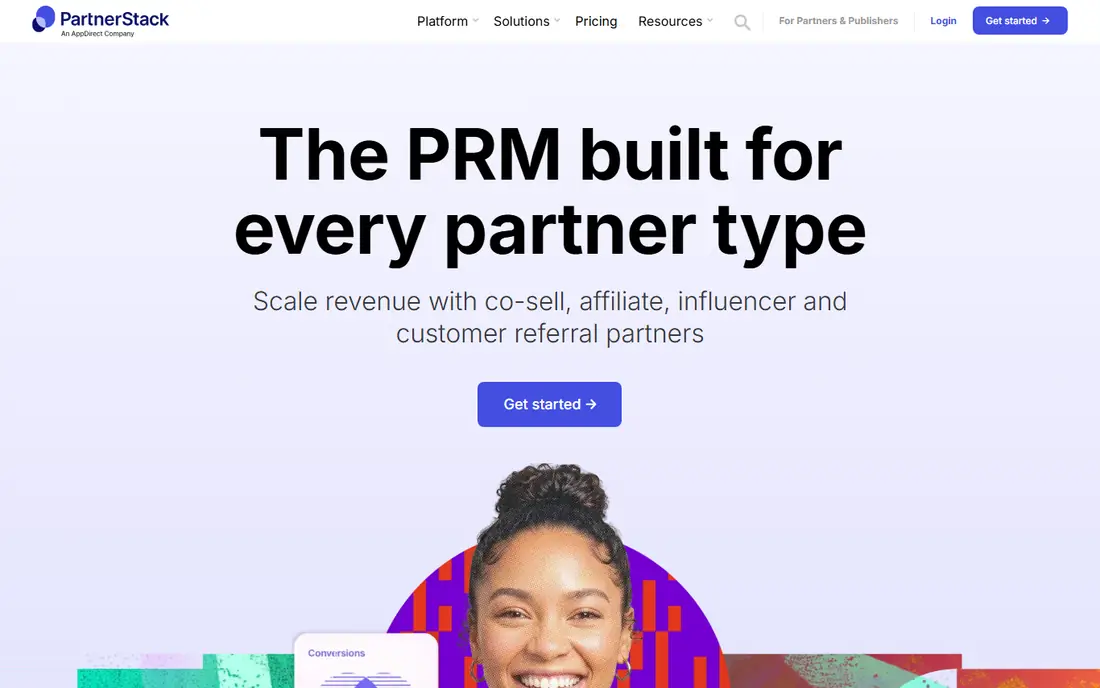
If your priority is B2B SaaS partner and reseller programs, PartnerStack deserves a close look before you decide. PartnerStack suits B2B software companies that sell through partners and resellers. Its partner marketplace and referral tools are designed around software sales cycles and recurring revenue.
The catch is pricing transparency, since you need a demo and quote to learn the cost. Before you commit, check the current plan details, any contract or cancellation terms, and what is included at the price shown on the vendor site. If that fit matches your routine and your budget, PartnerStack is a sensible shortlist pick. If it does not, one of the other options below may suit you better.
- Built for B2B SaaS partnerships
- Reseller and referral channels
- Partner marketplace
- Custom pricing only
- Best fit is B2B SaaS, not general ecommerce
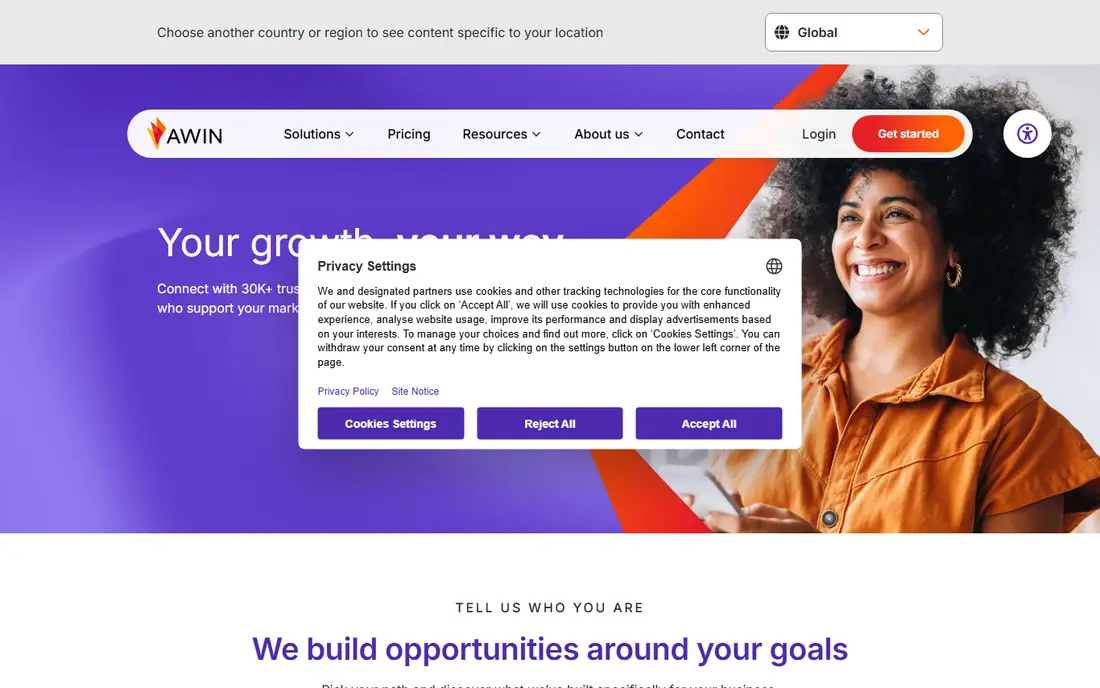
Awin suits buyers who want a clear trade between price, features, and effort. Awin suits established brands that want access to a large publisher network quickly. Its network connects advertisers to publishers across many niches and regions.
The catch is network cost, since fees sit on top of affiliate commissions and add to program cost. Before you commit, check the current plan details, any contract or cancellation terms, and what is included at the price shown on the vendor site. If that fit matches your routine and your budget, Awin is a sensible shortlist pick. If it does not, one of the other options below may suit you better.
- Large publisher network
- Global reach
- Tracking and reporting for advertisers
- Network fees apply on top of commissions
- Setup suits established brands more than startups
Start with Refersion if you want a practical option without a long setup process. Refersion suits Shopify stores that want to launch an affiliate program fast. Its Shopify link, tracking, and payout tools fit ecommerce workflows without heavy setup.
The catch is variable fees, since some plans add a percentage of affiliate sales on top of the subscription. Before you commit, check the current plan details, any contract or cancellation terms, and what is included at the price shown on the vendor site. If that fit matches your routine and your budget, Refersion is a sensible shortlist pick. If it does not, one of the other options below may suit you better.
- Shopify integration
- Affiliate tracking and payouts
- Ambassador and influencer tools
- Price rises with affiliate sales percentage on some plans
- Check fee structure carefully
We put Tapfiliate on this list because it answers a specific need well. Tapfiliate suits brands that want predictable flat pricing as affiliate revenue grows. Its flat tiers avoid a sales percentage, which helps when affiliate volume rises.
The catch is plan caps, since affiliate and conversion limits decide when you must upgrade. Before you commit, check the current plan details, any contract or cancellation terms, and what is included at the price shown on the vendor site. If that fit matches your routine and your budget, Tapfiliate is a sensible shortlist pick. If it does not, one of the other options below may suit you better.
- Flat tier pricing with no sales percentage
- Referral and affiliate tracking
- Broad integrations
- Entry plan limits affiliates and conversions
- Higher tiers needed for scale
Post Affiliate Pro
Great for: Feature depth on a budget for larger programs
Post Affiliate Pro is worth shortlisting when Feature depth on a budget for larger programs matters more than having every extra feature. Post Affiliate Pro suits larger programs that need feature depth without enterprise pricing. Its commission rules, tracking options, and reporting cover complex program structures.
The catch is usability, since the interface takes longer to learn than simpler SaaS tools. Before you commit, check the current plan details, any contract or cancellation terms, and what is included at the price shown on the vendor site. If that fit matches your routine and your budget, Post Affiliate Pro is a sensible shortlist pick. If it does not, one of the other options below may suit you better.
- Deep tracking features
- Multi-tier commissions
- Broad integration options
- Interface feels dated compared with newer tools
- Setup takes time
Among the options here, Rewardful stands out for a simple reason: it is easy to understand what you get. Rewardful suits SaaS startups that bill through Stripe and want a simple affiliate setup. It connects to Stripe quickly and tracks recurring commissions without a complex platform.
The catch is scope, since you recruit affiliates yourself rather than tapping a large network. Before you commit, check the current plan details, any contract or cancellation terms, and what is included at the price shown on the vendor site. If that fit matches your routine and your budget, Rewardful is a sensible shortlist pick. If it does not, one of the other options below may suit you better.
- Simple Stripe and Paddle integration
- Recurring commission tracking
- Quick setup
- Best fit is Stripe or Paddle billing
- Network recruitment is not included
Consider FirstPromoter if you want a dependable choice for everyday use. FirstPromoter suits SaaS teams that pay recurring commissions and want a clear affiliate dashboard. Its tracking handles subscription renewals, which matters for software with monthly billing.
The catch is revenue caps, since entry plans limit affiliate-driven revenue before an upgrade is needed. Before you commit, check the current plan details, any contract or cancellation terms, and what is included at the price shown on the vendor site. If that fit matches your routine and your budget, FirstPromoter is a sensible shortlist pick. If it does not, one of the other options below may suit you better.
- Recurring commission tracking
- Stripe and Paddle support
- Affiliate dashboard
- Revenue caps on entry plans
- Larger programs need higher tiers
How we picked these
We compared official pricing pages and feature lists for each platform, and we focused on tracking, payout, integration, and pricing model. We favored tools with clear plan limits and current US pricing, and we used See website where pricing was custom or network-based. We did not claim hands-on program results, since affiliate success depends on product, commission, and recruitment.
How to choose affiliate software for your business model
Start with your billing system. SaaS companies on Stripe should shortlist Rewardful and FirstPromoter, while Shopify stores should shortlist Refersion and Tapfiliate. B2B software companies should look at PartnerStack, and large brands with many partner types should look at impact.com. A tool that fits your billing system saves setup time and reduces tracking errors.
Networks, fees, and payouts
Decide whether you need network reach or only tracking. Networks such as Awin bring publishers, but they charge network fees on top of commissions. Standalone tools require you to recruit affiliates, but they often cost less as volume grows. Compare flat fees, sales percentages, payout fees, and any setup fees together, since the cheapest headline price is not always the cheapest total.
Tracking, fraud, and partner experience
Check tracking methods, including link, coupon, and server-side options, and check how refunds and cancellations are handled. Look for fraud controls, since fake clicks and coupon abuse can waste budget. Also test the affiliate dashboard, since partners who cannot easily find links and earnings will promote less.
Frequently asked questions
What is the best affiliate marketing platform for beginners?
Rewardful and FirstPromoter are simple starting points for SaaS startups on Stripe. Refersion suits Shopify beginners. Tapfiliate suits brands that want flat pricing. Start with one tool that fits your billing system and add network reach later if needed.
What is the difference between affiliate software and a network?
Affiliate software runs your own program on your site, while a network also gives access to a marketplace of publishers. Networks bring reach but charge fees on commissions. Software gives more control and often lower fees, but you recruit partners yourself.
How much does affiliate marketing software cost?
Entry prices in this list range from $49 to $99 per month for standalone tools, while enterprise platforms and networks use custom pricing or fees on commissions. Add payout fees and any sales percentage to the subscription to get the real cost.
Which tool is best for bloggers and creators?
Bloggers usually join programs on networks such as Awin, rather than buying software. Brands that want bloggers as affiliates should pick a tool with an easy signup, clear link tools, and reliable payouts. A simple dashboard helps creators promote more.
Can affiliate software track recurring commissions?
Yes, Rewardful, FirstPromoter, and other SaaS-focused tools track recurring commissions from subscriptions. Check whether renewals, upgrades, and cancellations are handled correctly. This matters most for software with monthly or yearly billing.
Do I need a network to find affiliates?
No, many brands start with their own customers, creators, and partners. A network helps when you need scale fast and lack an existing audience. Start with direct recruitment, then test a network if growth stalls.
Sources
See where you really rank - block by block
ProMapRanker scans Google Maps across a grid of your service area. Simple monthly plans from $19, white-label on every plan.
Start freeKeep reading
 zendesk alternatives
Best Zendesk Alternatives in 2026
Compare the best Zendesk alternatives in 2026, from budget help desks to AI-first support tools, with current pricing, free plans, and honest trade-offs.
Read → wordpress alternatives
Best WordPress Alternatives in 2026
Looking for the best WordPress alternatives? We compare 8 free and paid options for blogs, business sites, stores, and developer-led projects in 2026.
Read → which real estate company has the best training
Best Real Estate Company Training in 2026
Compare which real estate company has the best training, from Keller Williams and eXp to Compass and Coldwell Banker, by program, mentor, and fit in 2026.
Read →