 ProMapRanker
Best Adtech Companies in 2026


Independent cross-channel buying · Pricing starts at: See website
Key takeaways
- The Trade Desk is the leading independent demand-side platform in 2026 coverage, while Google Display and Video 360 leads on reach inside the Google ecosystem.
- Amazon DSP suits advertisers that can use shopper behaviour data, and StackAdapt and Basis suit mid-market teams that want multi-channel buying without enterprise complexity.
- Supply-side and measurement companies such as PubMatic and Innovid play a different role from demand-side platforms, so compare them on yield or measurement, not on buying features alone.
- Most adtech pricing is tied to media spend, minimums, or negotiated contracts rather than a published monthly subscription, so request a written commercial model.
- We compared platform role, channel coverage, identity approach, and published positioning from 2026 coverage, not claimed performance figures.
Quick comparison
| Pick | Great for | Pricing starts at | Free tier | |
|---|---|---|---|---|
| The Trade Desk | Independent cross-channel buying | See website | No | Visit |
 Google Display and Video 360 | Google ecosystem reach | See website | No | Visit |
 Amazon DSP | Shopper data and retail media | See website | No | Visit |
 StackAdapt | Mid-market multi-channel buying | See website | No | Visit |
 Basis | Unified programmatic, search, and social | See website | No | Visit |
 Viant | Connected TV and identity-led buying | See website | No | Visit |
 PubMatic | Supply-side yield and CTV | See website | No | Visit |
 Innovid | Omnichannel measurement and creative | See website | No | Visit |
 Simpli.fi | Local and mid-market programmatic | See website | No | Visit |
The best adtech companies
We shortlisted companies that operate live advertising technology in 2026, covering demand-side buying, supply-side selling, and measurement. The nine companies below are not interchangeable: some buy media, some sell inventory, and some measure what happened, so each entry states its role plainly.
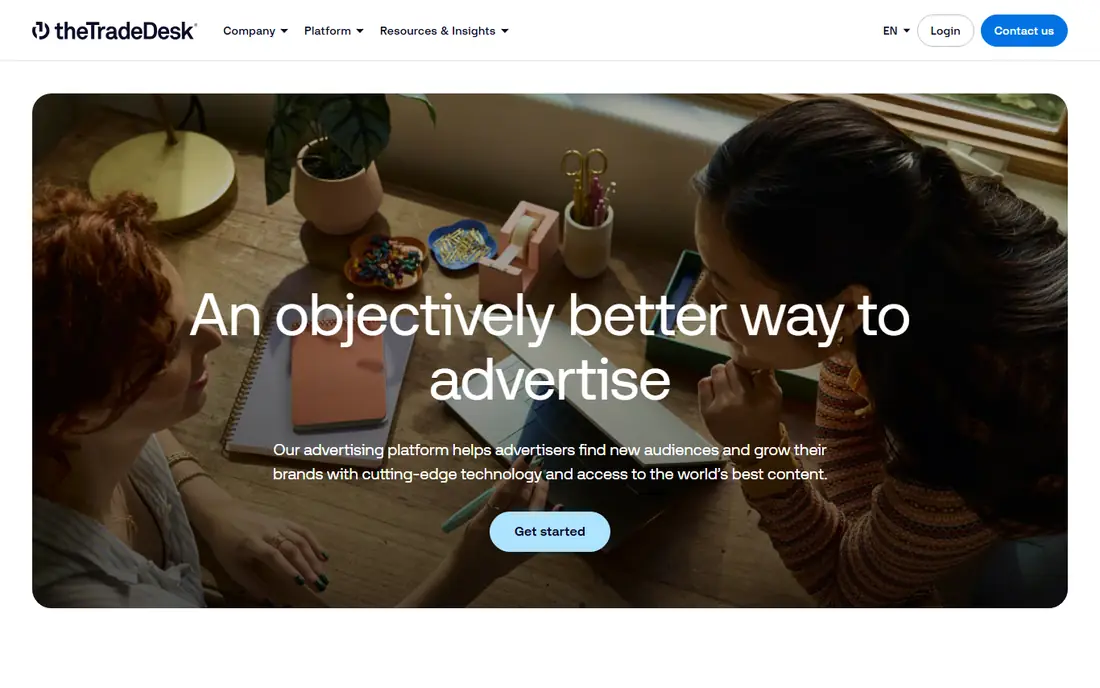
The Trade Desk is the independent demand-side platform most advertisers compare first. Its 2026 coverage describes it as the best independent DSP, with broad exchange reach across display, video, audio, and connected TV, plus identity work through Unified ID 2.0. For an advertiser or agency that wants to buy across many publishers without being tied to a single walled garden, that independence is the core appeal.
Independence does not mean simplicity. Coverage notes enterprise onboarding rather than a self-serve start for small test budgets, and commercial terms are negotiated rather than published. A new buyer will also need to learn audience, bidding, and measurement concepts before the platform pays off. We would pick The Trade Desk when cross-channel scale, connected TV access, and independence from Google and Amazon matter most.
- Leading independent DSP positioning in 2026 coverage
- Broad exchange reach and connected TV inventory
- Transparent bidding emphasis in coverage
- Enterprise onboarding, not built for small test budgets in coverage
- Pricing is negotiated
- Learning curve for new programmatic buyers
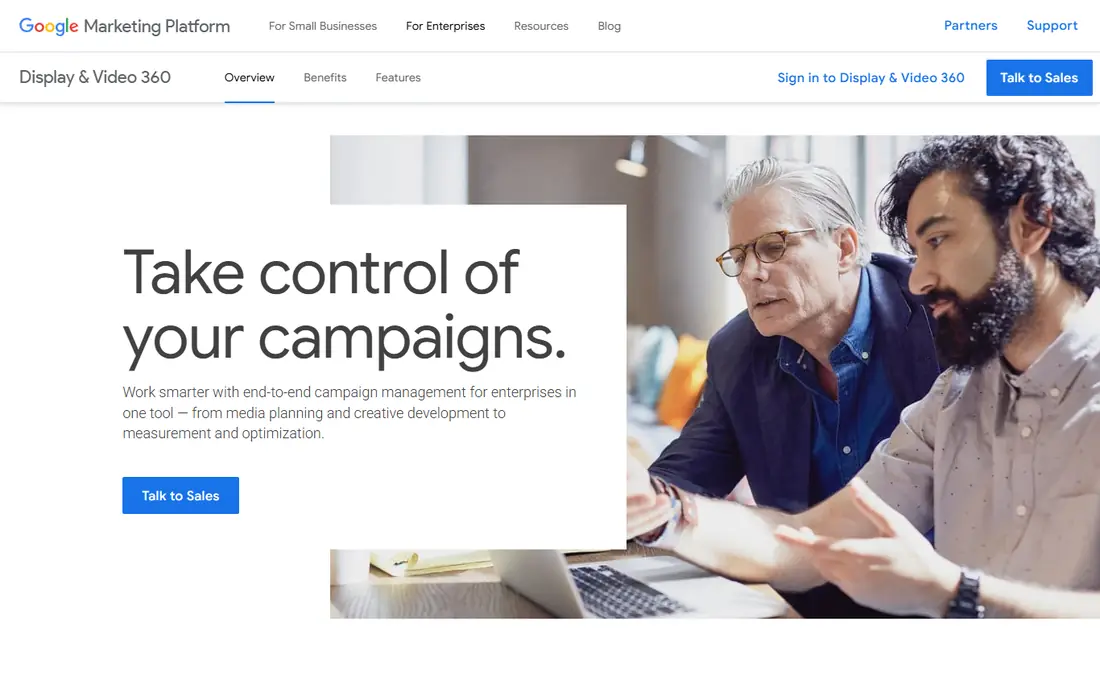
Google Display and Video 360, known as DV360, is the reach pick for advertisers already inside Google's ecosystem. Its 2026 coverage describes direct access to YouTube and Google display inventory, integrated measurement and audience tools, and machine learning bidding across channels. For a brand already using Google Analytics, Campaign Manager, and Google Ads, DV360 keeps buying, measurement, and reporting in one system.
The catch is the garden wall. Buying inside Google's system can limit transparent comparison with open-web and other walled garden inventory, and setup requires a Google Marketing Platform arrangement rather than a simple sign-up. Smaller advertisers may also find the platform and its minimums heavier than a mid-market DSP. We would pick DV360 when YouTube and Google inventory dominate the plan and the team already works in Google tools.
- Direct access to YouTube and Google display inventory in coverage
- Integrated Google Marketing Platform tools
- Machine learning bidding models in coverage
- Requires a Google Marketing Platform setup in coverage
- Walled garden limits some cross-platform comparison
- Enterprise structure for smaller buyers
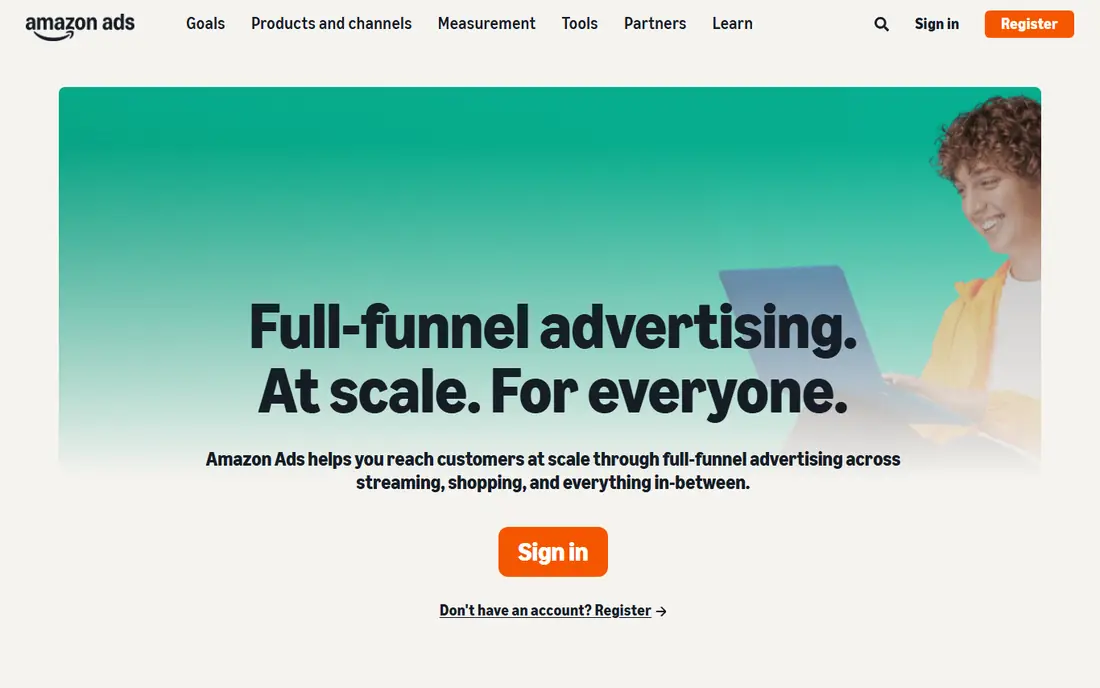
Amazon DSP suits brands that sell on Amazon or want to reach shoppers based on purchase behaviour. Its 2026 coverage describes targeting built on real shopping behaviour, retail media inventory, and connected TV access for high-intent audiences. For an e-commerce brand, the ability to reach people who have browsed or bought in a category, and to measure sales outcomes on Amazon, is a genuine advantage over interest-based targeting alone.
That advantage narrows outside Amazon. Brands that do not sell on Amazon gain less from shopper data, and minimum spend or managed service thresholds can put the platform out of reach for small advertisers. Measurement is also strongest for Amazon outcomes, so off-Amazon results need separate tracking. We would pick Amazon DSP when Amazon sales or shopper data are central to the media plan.
- Targeting built on shopper behaviour in 2026 coverage
- Connected TV access for high-intent audiences in coverage
- Retail media and Amazon inventory strength
- Most valuable to advertisers already selling on Amazon in coverage
- Minimums and managed service thresholds apply
- Measurement is strongest inside Amazon
StackAdapt is the mid-market DSP pick in this list. Its 2026 coverage describes native, display, video, and connected TV buying in one platform, with an intuitive interface and AI-assisted programmatic marketing that suits teams without a large programmatic staff. For an agency or brand that wants multi-channel buying, creative tooling, and connected TV access without enterprise onboarding, StackAdapt hits a practical middle ground.
The limits are format and scale. Coverage notes it is built for display and native first, so advertisers needing pop, push, or highly specialised formats should check coverage before committing. It also lacks some enterprise features found at The Trade Desk or DV360. We would pick StackAdapt when a mid-market team wants multi-channel programmatic buying with a manageable learning curve.
- Native, display, video, and connected TV buying in 2026 coverage
- Intuitive interface emphasis in coverage
- Mid-market friendly positioning
- Built for display and native more than niche formats in coverage
- Enterprise scale features are thinner
- Pricing is negotiated
Basis, formerly Centro, suits agencies and brands that want programmatic, search, and social managed together. Its 2026 coverage describes it among the connected TV platforms most popular with agencies, with unified buying across channels and workflow automation that reduces the tool sprawl agencies complain about. For a team managing ten or more adtech tools, consolidating buying and reporting into one platform is a practical gain.
Breadth still needs discipline. A unified platform can tempt a team to spread budget thinly across channels without a clear priority, and pricing is negotiated rather than published. Solo buyers with a single channel may also find an agency-oriented platform heavier than needed. We would pick Basis when an agency or multi-channel team wants programmatic, search, and social in one workflow.
- Unified programmatic, search, and social buying in 2026 coverage
- Connected TV strength for agencies in coverage
- Workflow and automation focus
- Pricing is negotiated
- Agency-oriented structure may suit teams more than solo buyers
- Breadth needs clear channel priorities
Viant fits advertisers whose plan centres on connected TV and household-level measurement. Its 2026 coverage lists it among connected TV platforms popular with agencies, with an identity-led approach that links devices and households for targeting and measurement. For a brand shifting television budgets to streaming, that household view helps answer whether connected TV drives visits or sales, rather than only impressions.
Identity-led buying also demands care. Privacy rules, consent, and platform policies change frequently, and an identity approach must be reviewed against current regulations and client policies before use. Viant is also smaller than the largest DSPs, so exchange breadth and minimums should be confirmed for the specific plan. We would pick Viant when connected TV and identity-led measurement are central, and the team can manage privacy review properly.
- Connected TV buying strength in 2026 agency coverage
- Identity-led targeting emphasis
- Measurement focus for household-level outcomes
- Pricing is negotiated
- Smaller scale than The Trade Desk or DV360
- Identity approach needs privacy and consent review
PubMatic plays a different role from the DSPs above, and that distinction matters. As a supply-side platform, it helps publishers and app developers sell inventory, manage yield, and connect to demand, with connected TV yield management highlighted in 2026 coverage. For a publisher, a broadcaster, or a streaming app owner, PubMatic is a monetisation partner, not a media buying tool.
Advertisers should not shortlist PubMatic as a DSP alternative. Its value is measured in publisher yield, fill, and brand safety controls, not in campaign buying features. Pricing and commercial terms are tied to media and contracts rather than a subscription. We would pick PubMatic when you own inventory to sell, especially connected TV inventory, and you need a supply-side partner with scale.
- Supply-side platform role for publishers
- Connected TV yield management focus in 2026 coverage
- Brand safety emphasis in coverage
- Publisher-facing, not an advertiser buying tool
- Revenue depends on inventory quality and demand
- Pricing is tied to media and contracts
Innovid suits advertisers and agencies that need measurement and creative delivery across channels, especially connected TV. Its 2026 coverage describes it, as part of Mediaocean, as tied into core ad infrastructure for omnichannel planning, buying, and billing, with measurement that spans channels rather than siloing each one. For a team struggling to compare connected TV, video, and display outcomes, that shared measurement view is the point.
Innovid is not a simple DSP replacement. Its strength lies in delivery, creative, and measurement, so a team that only needs to buy media may find a DSP more direct. Integration with existing ad servers, DSPs, and analytics also takes planning. We would pick Innovid when measurement, creative delivery, and omnichannel consistency are the main gaps, particularly for connected TV.
- Omnichannel planning, buying, and billing ties through Mediaocean in coverage
- Measurement and creative delivery focus
- Connected TV measurement strength
- Measurement and delivery role differs from pure buying
- Integration effort varies by stack
- Pricing is negotiated
Simpli.fi rounds out this list as a local and mid-market programmatic option. Its 2026 coverage lists it among connected TV platforms popular with agencies, with strengths in local targeting and programmatic buying for advertisers that need geographic precision. For a regional brand, a franchise system, or an agency serving local clients, the ability to target by location and measure local outcomes matters more than global exchange breadth.
The local focus is also the limit. National enterprise advertisers with complex global needs may find larger DSPs a better fit, and pricing is negotiated rather than published. Channel depth should be checked for the specific plan, since connected TV, display, and addressable tactics vary. We would pick Simpli.fi when local targeting and mid-market programmatic buying are the priorities.
- Connected TV and programmatic strength in 2026 agency coverage
- Local targeting capabilities
- Mid-market and agency-friendly structure
- Pricing is negotiated
- Local focus may not suit national enterprise scale
- Feature depth varies by channel
How we picked these
We compared 2026 programmatic and connected TV coverage, each company's own platform description, and its role in the advertising chain, and we kept only companies with live adtech products in 2026. We favoured companies that appear across independent 2026 lists, that state their role clearly as demand-side, supply-side, or measurement, and that cover channels advertisers actually buy, especially connected TV. We excluded companies that filed for bankruptcy and now operate at a much smaller scale, and companies whose adtech product is a minor add-on. Pricing is negotiated or tied to media spend for every company here, so we state See website rather than inventing a subscription figure.
How to choose an adtech stack without adding tools you will not use
Start with the job, not the platform. Write down whether you need to buy media, sell inventory, or measure outcomes, since those are different purchases that are often confused. A DSP buys, an SSP sells, and a measurement platform proves what happened, and buying all three from different vendors without a plan creates the tool sprawl agencies report. Map each tool to one job before signing anything.
Next, test with a real campaign, not a demo. Run a connected TV or display test with a clear audience, a clear budget, and a clear success metric, and check reporting, frequency control, brand safety, and identity handling in practice. Confirm minimum spend, contract length, data ownership, and what happens to your audiences and reports if you leave. Finally, review privacy compliance for every identity and targeting feature, since rules and platform policies change faster than most contracts. A stack that is smaller, well-understood, and privacy-reviewed will outperform a larger stack that no one on the team fully controls.
Frequently asked questions
What is adtech, in plain terms?
Adtech is the software that buys, sells, delivers, and measures digital advertising. Demand-side platforms buy media, supply-side platforms sell publisher inventory, ad servers deliver ads, and measurement platforms report what happened. Most advertisers use several of these together, which is why choosing a stack matters as much as choosing a single tool.
What is the difference between a DSP and an SSP?
A demand-side platform, or DSP, is used by advertisers and agencies to buy ad inventory across publishers and exchanges. A supply-side platform, or SSP, is used by publishers to sell their inventory and maximise yield. The Trade Desk and DV360 are DSPs, while PubMatic is an SSP, so they serve opposite sides of the same transaction.
Which adtech company is best for connected TV?
The Trade Desk, DV360, Amazon DSP, StackAdapt, Basis, Viant, and Simpli.fi all appear in 2026 agency coverage for connected TV, but the best fit depends on budget, identity needs, and whether you buy inside a walled garden or across the open web. Test connected TV inventory, frequency control, and measurement for your specific audience before committing to one platform.
How does adtech pricing usually work?
Most adtech pricing is tied to media spend, a platform fee, minimum spend, or a negotiated contract, rather than a simple monthly subscription. Some platforms charge a percentage of spend, others charge a technology fee, and managed service arrangements add service costs. Request a written commercial model that separates media, technology, and service fees.
Do small advertisers need a DSP?
Not always. Small advertisers often start with self-serve platforms such as Google Ads, Meta Ads, or Amazon Ads, which bundle buying, targeting, and reporting for a single ecosystem. A DSP becomes useful when you need to buy across many publishers, channels, and formats from one platform, or when connected TV and open-web buying become a large share of spend.
What should I check for privacy and brand safety?
Check how the platform handles identity, consent, and data retention, what brand safety and fraud controls are included, and whether you can control inventory quality, frequency, and exclusions. Ask for documentation on current privacy compliance, and confirm that any identity feature you use has a lawful basis and a clear opt-out path for consumers.
Sources
- https://taqtics.com/answers/programmatic-advertising/programmatic-advertising-platforms
- https://ezmob.com/blog/advertiser/best-dsp-platforms-for-programmatic-advertising-in/
- https://www.peerspot.com/categories/advertisement-technology-platforms
- https://basis.com/insights/the-7-best-ctv-advertising-platforms-for-agencies-compared
- https://www.g2.com/products/verizon-media-dsp/competitors/alternatives
See where you really rank - block by block
ProMapRanker scans Google Maps across a grid of your service area. Simple monthly plans from $19, white-label on every plan.
Start freeKeep reading
 worlds best local seo company
8 Worlds Best Local SEO Companies for Map Pack Growth in 2026
Compare the worlds best local seo company options for Google Business Profile work, citations, reviews, and multi-location rankings and reporting in 2026.
Read → world's best web hosting company
World's Best Web Hosting Company in 2026
Searching for the world's best web hosting company? We compared 10 hosts on price, renewal rates, speed, and support to help you choose well today in 2026.
Read → who's got the best nanny tax services
Who's Got the Best Nanny Tax Services in 2026
We answer who's got the best nanny tax services, comparing full filing, back taxes, software, and pricing so families can handle nanny taxes correctly.
Read →