 ProMapRanker
Best Accounting Software for Medium Sized Business in 2026


US accountant support · Pricing starts at: $38 per month
Key takeaways
- QuickBooks Online Advanced suits growing firms that need strong US accountant support and a large app ecosystem.
- Xero suits teams that need unlimited users without per-user fees, while Sage Intacct suits multi-entity and complex finance needs.
- NetSuite and Dynamics 365 Business Central are full business systems, not just accounting, and they cost and take longer to set up.
- Zoho Books, FreshBooks, and Wave suit smaller medium firms or firms moving up from basic tools, but check limits before you commit.
Quick comparison
| Pick | Great for | Pricing starts at | Free tier | |
|---|---|---|---|---|
| QuickBooks Online | US accountant support | $38 per month | Yes | Visit |
 Xero | Unlimited users | $27 per month | No | Visit |
 Sage Intacct | Multi-entity finance | See website | No | Visit |
 NetSuite | Full business system | See website | No | Visit |
 Microsoft Dynamics 365 Business Central | Microsoft ecosystem firms | See website | No | Visit |
 Zoho Books | Value for growing firms | Free | Yes | Visit |
 FreshBooks | Service firms and invoicing | $23 per month | No | Visit |
 Wave | Free core accounting | Free | Yes | Visit |
 Acumatica | Resource-based pricing | See website | No | Visit |
The best accounting software for medium sized business
Medium sized business is a wide range, from a 10-person service firm to a 200-person company with several entities, warehouses, and currencies. The right system depends on how many users need access, whether you track inventory, how complex your reporting is, and whether finance needs to connect with sales, stock, and payroll. We compared systems that still work in October 2026, with prices from recent vendor-checked coverage where a stable list price was available.
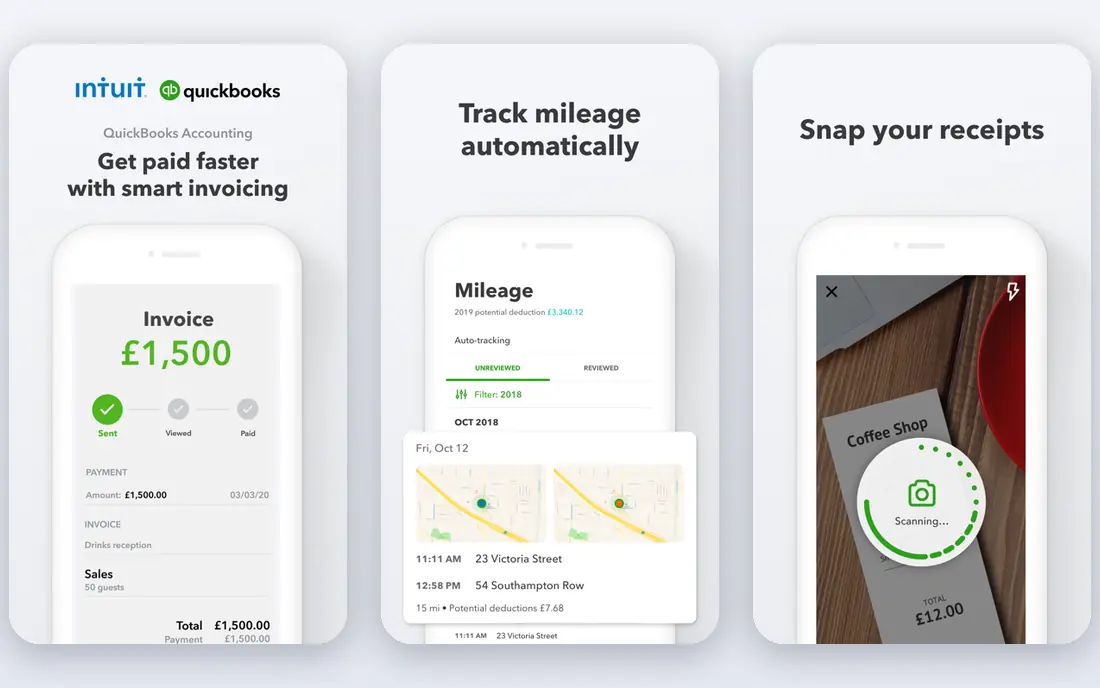
QuickBooks Online is the safe default for many US medium firms because most US accountants know it well. That familiarity saves time at year end, when your accountant can work in a system they already use. Simple Start is listed at $38 per month in recent coverage, with a limited free plan for one user, while Plus and Advanced add inventory, more users, and deeper reporting.
The catch is scale. Lower plans limit users and features, and Advanced, listed at $275 per month in mid-2026 coverage with a reported rise to $340 for renewals from August 2026, is a different price class. If you need many users, multi-entity close, or complex revenue rules, QuickBooks may still be a stepping stone rather than a final system. For a single-entity firm that needs accountant support and a broad app choice, it remains hard to beat.
- Widest US accountant familiarity
- Large app marketplace
- Strong invoicing, payroll add-ons, and reporting on higher plans
- Per-user limits on lower plans
- Advanced pricing rises sharply
- Promo prices end and list prices apply after the intro period
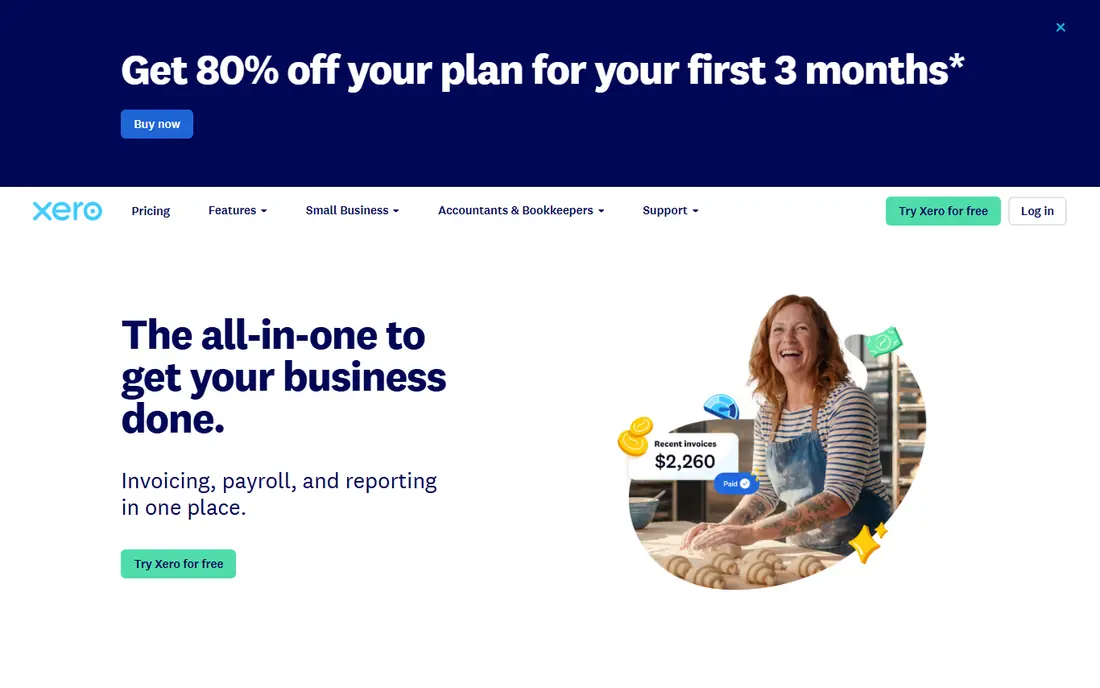
Xero suits medium firms where many people need access without paying per login. Every plan includes unlimited users, which can save a lot compared with per-user pricing when finance, sales, and operations all need to see the books. Recent coverage lists entry pricing at $27 per month in the US, with higher plans adding projects, expenses, and analytics.
The limits are payroll and depth. US payroll is usually handled through an add-on, and Xero is not a full ERP for complex manufacturing or multi-entity consolidation. For a service, agency, or distribution firm with a moderate team and straightforward inventory, Xero offers strong value. For a firm with several entities and strict audit needs, Sage Intacct or NetSuite may fit better.
- Unlimited users on every plan
- Clean bank reconciliation and invoicing
- Strong app ecosystem and good mobile access
- No free plan
- Payroll in the US often needs an add-on such as Gusto
- Inventory depth is lighter than full ERP systems

Sage Intacct is built for finance teams that have outgrown single-entity accounting. Dimensions let you tag transactions by entity, department, project, or location without a maze of separate charts of accounts, and consolidation across entities is a core strength. Industry editions for nonprofits, construction, professional services, and other sectors add useful templates.
Pricing is the main barrier. Sage Intacct does not publish a simple list price, and recent coverage describes entry deployments around $10,000 to $15,000 per year, with implementation often adding a similar amount. That makes it a serious purchase, not a casual upgrade. If your pain is multi-entity close, audit readiness, or revenue recognition, Intacct is worth the quote process. If you have one entity and simple needs, it is more system than you need.
- Strong multi-entity and multi-currency reporting
- Dimensions for projects and departments
- Audit and compliance focus
- Industry editions
- Pricing is quote-based and often high
- Implementation takes time and expertise
- Mobile tools are limited in independent reviews
NetSuite, from Oracle, is a full cloud business system, not just accounting software. Finance, inventory, order management, CRM, and e-commerce can live in one place, which helps when operations and finance keep drifting apart in separate tools. That breadth is why many medium firms move to NetSuite when QuickBooks or Xero can no longer hold inventory, fulfilment, and finance together.
Cost and time are the trade-offs. Recent coverage describes a base licence around $999 per month plus user fees, with median negotiated contracts far higher, and implementation often running into six figures for mid-market buyers. NetSuite fits when the problem crosses into operations, such as stock, orders, and fulfilment, not just accounting. If finance alone is the problem, Sage Intacct may be a cheaper and faster fit.
- Accounting, inventory, orders, CRM, and e-commerce in one system
- Real-time consolidation across entities
- Strong for growing operations
- High cost and long implementation
- Base licence plus per-user fees
- Needs experienced implementation help
Microsoft Dynamics 365 Business Central
Great for: Microsoft ecosystem firms
Business Central suits firms already running Microsoft 365, Teams, and Power BI. Finance, inventory, sales, and purchasing sit in one system, and staff who know Excel and Outlook will find the layout familiar. Recent coverage lists entry pricing around $70 per user per month, though total cost depends on users, modules, and implementation.
The catch is complexity. Business Central is a full ERP, so setup, training, and customisation take time, and a small finance team may find it heavy for simple books. It makes most sense when you need ERP depth and already live in the Microsoft world. If you use Google Workspace and a simple stack, QuickBooks, Xero, or Zoho may be easier to run day to day.
- Deep ERP features with familiar Microsoft tools
- Strong Office 365, Azure, and Power BI links
- Good for manufacturing and distribution
- Pricing depends on users and modules
- Implementation needs Microsoft expertise
- Interface can feel heavy for small finance teams
Zoho Books offers the best value per dollar in this list for firms that are still growing. A free plan is available for firms with annual revenue at or below $50,000 in recent coverage, and paid plans start at $20 per month, or $15 per month billed annually. Invoicing, banking, expenses, inventory on higher plans, and project tracking cover most medium firm needs at a lower price than QuickBooks or Xero.
The limits are scale and support. The free plan suits only small revenue firms, and US accountants are less likely to know Zoho than QuickBooks. Payroll is handled through Zoho Payroll on higher plans or through integrations, which adds a step. For a cost-conscious firm already using Zoho CRM, inventory, or other Zoho apps, Zoho Books is a strong and affordable choice.
- Free plan for small revenue firms
- Low paid pricing
- Invoicing, expenses, inventory, and projects
- Strong Zoho app links
- Free plan limited by revenue and users
- Payroll and advanced features need higher plans or other Zoho apps
- US accountant familiarity is lower than QuickBooks
FreshBooks is built for service firms that live on invoices, retainers, and time. Clients get clean invoices, online payment options, and a simple portal, while staff can track time and project profitability without a heavy accounting interface. Recent coverage lists Lite at $23 per month for up to five billable clients, with higher plans for more clients and features.
FreshBooks is less suited to product firms with complex inventory, multi-entity needs, or deep cost accounting. It is a service accounting tool first, and a general ledger second. For an agency, consultancy, or trades firm with straightforward books and heavy invoicing, FreshBooks can be faster and easier than a full ERP. For a product or multi-entity firm, Xero or Sage Intacct will fit better.
- Excellent invoicing and client experience
- Time tracking and project profitability
- Easy for service teams to learn
- Inventory is limited
- Accounting depth is lighter than QuickBooks or Xero for complex firms
- Client limits on lower plans
Wave is included because many medium firms start here, and because its free Starter plan is genuinely useful. Recent coverage describes unlimited invoices, estimates, bills, and bookkeeping records on Starter, with Wave Pro at $19 per month adding bank imports and automation. Payments and payroll are paid add-ons, with card fees applying to payments.
Wave is not a true medium firm system. It lacks inventory, multi-entity tools, and the user controls a larger finance team needs. Use Wave as a starting point, or for a small subsidiary with simple books, but plan to move to QuickBooks, Xero, or Zoho Books as transaction volume, users, and reporting needs grow. The free price is attractive, but outgrowing Wave mid-year can cost time in migration.
- Free Starter plan with unlimited invoices and bookkeeping records
- Simple for solo and very small teams
- Paid add-ons for payments and payroll
- Built for very small firms, not true medium firms
- No inventory
- Limited users and support on free tier
- US and Canada focus
Acumatica is a cloud ERP that charges by resources used, not by user count, which can help firms with many occasional users. Manufacturing, distribution, construction, and field service editions add industry depth, and the system covers finance, inventory, orders, and projects in one place. Recent coverage describes monthly pricing in a wide range, often $1,500 to $5,000 per month depending on resources and modules.
The main barrier is quote-based pricing and implementation. You will need a partner to scope the system, and total cost depends on transaction volume and modules. For a firm with a large team but moderate transaction volume, resource pricing can beat per-user ERP pricing. For a smaller firm, Acumatica is likely more system than you need, and QuickBooks Advanced or Xero may be cheaper and faster to run.
- Consumption-based pricing rather than per-user fees
- Strong manufacturing and distribution features
- Flexible cloud deployment
- Quote-based pricing
- Implementation needs partner expertise
- Less familiar to small firm accountants than QuickBooks
How we picked these
We compared official pricing pages, recent vendor-checked roundups, and each system's fit for medium firms on users, inventory, payroll, multi-entity support, and implementation effort. We favoured systems with a clear US presence, a working trial or free tier where offered, and a distinct role, from value accounting to full ERP. Prices are list prices before promotions and taxes where stated, and quote-based systems are listed as See website rather than guessed. This is general information, not accounting or tax advice.
What to check before you buy
Count users and entities first. A system that charges per user can double in cost when sales, operations, and managers need access, while Xero and Acumatica use different models that may suit larger teams better. Count entities, currencies, and warehouses too, since multi-entity and inventory features often sit on higher plans or in ERP systems. List your must-have features before you look at demos, so a sales demo does not sell you features you will never use.
Check payroll, payments, and integrations next. Payroll may be built in, an add-on, or a separate tool, and payment processing fees are separate from subscription prices in most cases. Confirm that your bank, payment provider, CRM, and e-commerce tools connect cleanly, and ask your accountant which systems they support. An accountant who knows your system well will save more at year end than a small monthly saving on a system they do not know.
Migration and total cost
Ask about migration time, data import, and training. Moving from QuickBooks to Sage Intacct or NetSuite can take months and cost as much as the first year subscription in implementation help, according to recent coverage. For a simpler move, such as Wave to Zoho Books or FreshBooks to Xero, the cost is lower but still needs time for chart of accounts mapping and historical data. Budget for both the subscription and the migration, and run the new system in parallel for at least one month end before you switch fully.
A practical shortlist
If you have one entity and need US accountant support, shortlist QuickBooks Online and Xero. If you have several entities or complex finance, shortlist Sage Intacct. If operations, inventory, and fulfilment are the problem, shortlist NetSuite, Business Central, or Acumatica. If cost matters most and your needs are simple, shortlist Zoho Books and FreshBooks. That shortlist keeps demos focused and avoids comparing a $20 tool with a full ERP on price alone.
Frequently asked questions
What is the best accounting software for medium business overall?
QuickBooks Online is a strong default for US firms that need accountant support, while Xero suits teams that need unlimited users. Sage Intacct suits multi-entity finance, and NetSuite suits firms that need a full business system. The best choice depends on entities, inventory, users, and operations.
What is the best accounting software for medium sized businesses with several entities?
Sage Intacct is built for multi-entity reporting, dimensions, and consolidation. NetSuite and Business Central also handle multiple entities, but they are broader ERP systems with higher cost and longer setup. Compare consolidation, currency, and audit needs before you choose.
Is QuickBooks or Xero better for a medium sized business?
QuickBooks leads on US accountant support and app choice, while Xero leads on unlimited users and value for larger teams. If your accountant uses QuickBooks daily, staying with it reduces friction. If many team members need access, Xero often costs less.
Is there free accounting software for a medium sized business?
Wave and Zoho Books offer free tiers, but both suit smaller firms or simpler books. A true medium firm with many users, inventory, or multi-entity needs will usually outgrow a free tier and should budget for a paid plan.
How much does accounting software cost for a medium business?
Mainstream tools often run $20 to $340 per month depending on plan and users, while mid-market ERP systems can run $1,000 per month or more, plus implementation. Quote-based systems such as Sage Intacct, NetSuite, and Acumatica should be priced by a vendor quote for your users and modules.
When should a business move from QuickBooks to an ERP?
Move when month-end close, multi-entity reporting, inventory, or order fulfilment keep breaking in QuickBooks, not just when revenue grows. If one entity and simple inventory still work, QuickBooks Advanced or Xero may be enough. If operations and finance need one system, an ERP is worth scoping.
Sources
- https://quickbooks.intuit.com/
- https://www.xero.com/
- https://www.sage.com/en-us/sage-business-cloud/intacct/
- https://www.netsuite.com/
- https://dynamics.microsoft.com/en-us/business-central/overview/
- https://www.zoho.com/books/
- https://www.freshbooks.com/
- https://www.waveapps.com/
- https://www.acumatica.com/
- https://jumpstartpartners.finance/blog/choosing-accounting-software-growing-business-guide
- https://erpscorecard.com/articles/netsuite-vs-quickbooks-vs-sage-intacct
See where you really rank - block by block
ProMapRanker scans Google Maps across a grid of your service area. Simple monthly plans from $19, white-label on every plan.
Start freeKeep reading
 outreach alternatives
Outreach Alternatives in 2026
Compare outreach alternatives for 2026, from Salesloft and Apollo to HubSpot and Lemlist, with pricing, channels, features, limits, and honest trade-offs.
Read → best web conference tools
Best Web Conference Tools in 2026
Compare the best web conference tools for meetings, webinars and team calls, with current pricing, free plans and honest limits for each option here today.
Read → best voice cloning tools
Best Voice Cloning Tools in 2026
Compare the best voice cloning tools in 2026, from ElevenLabs and Descript to Resemble and Cartesia, with consent rules, pricing, licenses, and limits.
Read →