 ProMapRanker
Best Accounting Software for Analytics in 2026

Built-in advanced reporting · Pricing starts at: $38 per month
Key takeaways
- QuickBooks Online Advanced and Xero give small businesses the strongest built-in analytics without buying a separate BI tool.
- Sage Intacct and NetSuite suit larger companies that need multi-entity, dimensional and departmental analytics.
- Zoho Books, FreshBooks and Wave cover everyday reporting well, but deeper forecasting usually needs an add-on or a higher plan.
- Fathom and Odoo fill gaps: Fathom for visual management reporting, Odoo for accounting inside a wider business system.
Quick comparison
| Pick | Great for | Pricing starts at | Free tier | |
|---|---|---|---|---|
| QuickBooks Online | Built-in advanced reporting | $38 per month | Free trial | Visit |
 Xero | Clean dashboards and analytics | $27 per month | Free trial | Visit |
 Sage Intacct | Multi-entity financial analytics | See website | No | Visit |
 NetSuite | ERP-wide financial analytics | See website | No | Visit |
 Zoho Books | Affordable analytics for small firms | See website | Yes | Visit |
 FreshBooks | Simple profit and project analytics | $23 per month | Free trial | Visit |
 Wave | Free basic accounting reports | Free | Yes | Visit |
 Fathom | Visual management reporting | See website | Free trial | Visit |
 Odoo Accounting | Accounting inside a business suite | See website | No | Visit |
The best accounting software for analytics
We compared tools on dashboards, custom reporting, cash flow insight, forecasting, multi-entity views, and whether analytics are built in or need an add-on.

QuickBooks Online starts at $38 per month for Simple Start, rising through Essentials at $85, Plus at $140 and Advanced at $340, with a 30-day trial. Its analytics strength grows with the tier: lower plans cover profit and loss, cash flow and sales reports, while Advanced adds custom report building, deeper insights and workflow tools. For a small business that wants analytics inside the accounting system, that ladder is convenient.
The catch is cost. Real custom analytics sit on Advanced, which is far pricier than entry plans, and some forecasting still needs an app from the QuickBooks ecosystem. QuickBooks suits businesses already on the platform, or those willing to pay for Advanced to get reporting depth in one place.
- Broad report library
- Advanced plan adds custom reports and analytics
- Huge app ecosystem
- Advanced analytics need the top plan
- Price rises sharply across tiers
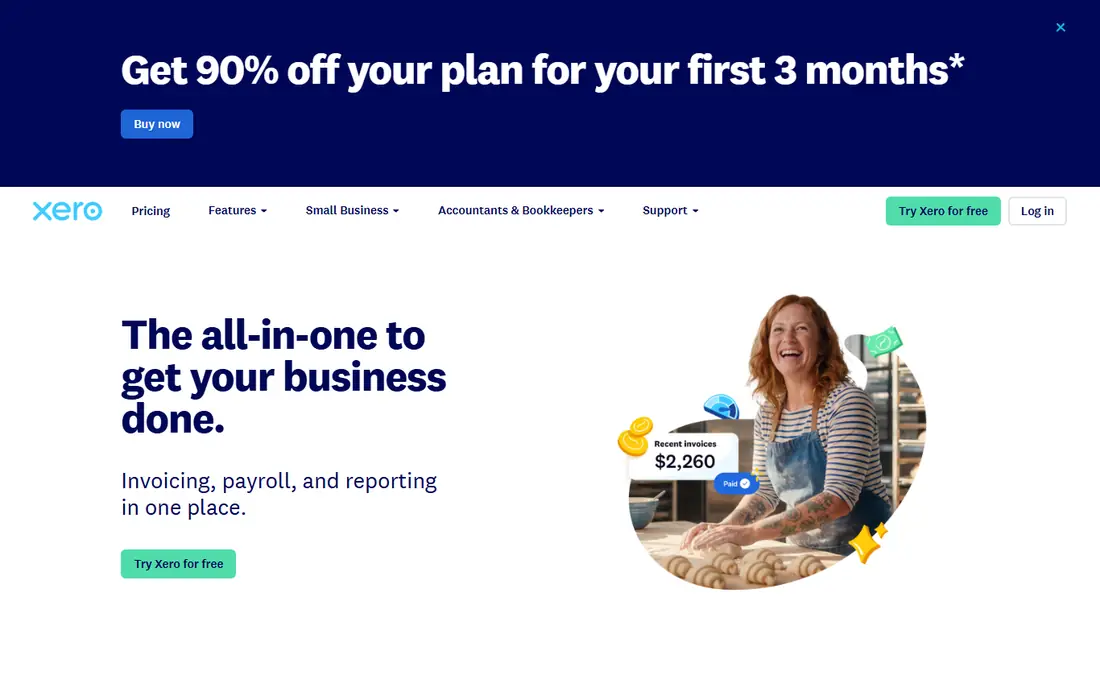
Xero starts at $27 per month for Early, with Growing at $59 and Established at $97, and a 30-day trial. Its dashboard gives a clear view of cash, invoices and bills, while Xero Analytics on higher plans adds cash flow forecasting and business snapshot views. Unlimited users on plans help firms and multi-person teams share reports without per-seat friction.
Entry plans cover everyday reporting, but the deeper analytics tools sit higher up the ladder. Xero also relies on its app ecosystem for some advanced forecasting. It suits small businesses that want clean, readable analytics and are happy to move up a tier as reporting needs grow.
- Clear dashboard
- Xero Analytics on higher plans
- Unlimited users on plans
- Advanced analytics need Established or higher
- Project analytics vary by plan
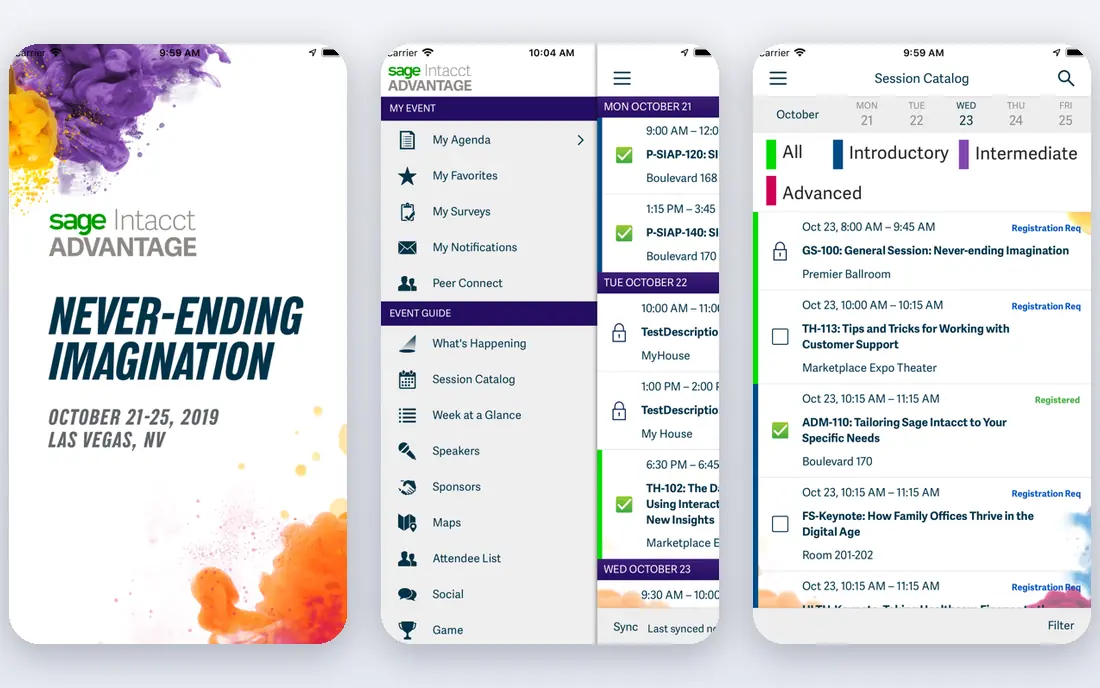
Sage Intacct uses dimensional accounting, so reports can slice results by department, location, project or fund without a tangle of separate charts of accounts. Multi-entity consolidation and real-time dashboards suit growing companies, nonprofits and professional services firms that outgrow single-entity tools. Automation for approvals, allocations and revenue recognition also keeps data clean for analysis.
Pricing is quoted, and implementation needs finance expertise, since the dimensional model requires planning. Sage Intacct is not a small-business impulse buy. It fits companies that need trusted, multi-entity analytics and are ready for a proper finance system rollout.
- Dimensional reporting
- Multi-entity consolidation
- Strong automation
- Quote-only pricing
- Implementation needs finance expertise
NetSuite, from Oracle, combines accounting with CRM, inventory, order management and ecommerce, so analytics can span the whole business rather than only the ledger. Real-time consolidation across entities, saved searches and role-based dashboards give finance teams a single source for operational and financial reporting. That breadth is why mid-market companies choose it as a step up from QuickBooks or Xero.
Cost and implementation are the barriers. Pricing is quoted, and rollouts often take months with partner help. NetSuite suits companies with complex inventory, multi-entity or multi-subsidiary needs, not a small firm that only wants better charts.
- Accounting, CRM, inventory and ecommerce in one system
- Real-time consolidation
- Saved searches and dashboards
- Quote-only pricing
- Implementation is long and costly
Zoho Books offers a free tier for small businesses, with paid plans adding users, automation and reporting depth. Its reports cover profit and loss, balance sheet, cash flow, sales and purchase analytics, with dashboards that give owners a quick health check. Integration with Zoho CRM, Inventory and Analytics helps when data comes from several Zoho apps.
Deeper forecasting and custom analytics are limited compared with QuickBooks Advanced or Sage Intacct, and some users will still export to a BI tool for complex work. Zoho Books suits cost-conscious small firms that want solid built-in reporting inside an affordable accounting system.
- Free tier
- Solid reports and dashboards
- Zoho ecosystem integration
- Advanced analytics need higher plans
- Forecasting depth is limited
FreshBooks starts at $23 per month for Lite, with Plus at $43 and Premium at $70, and a 30-day trial. Its analytics focus on what service businesses track most: profitability by client and project, billable time, expenses and invoice performance. Reports are easy to read, which helps owners who want answers without learning a reporting builder.
The simplicity is also a limit. FreshBooks does not match QuickBooks Advanced or Sage Intacct for custom financial analysis, multi-entity reporting or forecasting. It suits freelancers and service firms that want clear profit insight, not finance teams building complex models.
- Clear profit and project reports
- Easy invoicing analytics
- 30-day trial
- Analytics are simpler than QuickBooks or Xero
- Higher plans cost more
Wave offers free accounting software with basic reports covering income, expenses, cash flow and sales tax, which is enough for many very small businesses and freelancers. Setup is fast, and the free tier removes the cost barrier to keeping proper books. Paid add-ons cover payroll and payment processing, while accounting itself stays free.
Analytics depth is basic: no advanced forecasting, custom dimensional reporting or multi-entity consolidation. Wave suits owners who need clean books and simple reports, and who will move to QuickBooks, Xero or Zoho Books when reporting needs outgrow it.
- Free accounting
- Basic profit, cash flow and sales reports
- Simple setup
- Analytics are basic
- Payroll and payments are paid add-ons
Fathom is not accounting software on its own. It connects to QuickBooks, Xero and similar systems, then turns the data into visual dashboards, KPI tracking, cash flow forecasting and polished management report packs. Accountants and finance leads use it to explain results to owners and boards without building charts by hand.
Because Fathom needs a source accounting system, it adds cost on top of that system, and pricing should be confirmed on the vendor site. It suits businesses that already keep clean books and want reporting that clients and managers actually read, rather than raw ledger exports.
- Visual KPI dashboards
- Cash flow forecasting
- Management report packs
- Not standalone accounting
- Needs QuickBooks, Xero or similar as a source
Odoo Accounting sits inside the wider Odoo business suite, so accounting data connects to CRM, sales, inventory, manufacturing and HR. That connection lets managers build dashboards that mix financial and operational data, such as margin by product or sales channel, without exporting to another tool. Modular pricing means a company pays for the apps it uses.
Setup and analytics quality depend on configuration, and pricing varies by app and user count, so a quote is needed. Odoo suits companies that want one business system rather than separate accounting, CRM and inventory tools, and that have the time to configure dashboards properly.
- Accounting tied to CRM, inventory and sales
- Custom dashboards
- Modular pricing
- Pricing and setup vary by apps
- Analytics need configuration
How we picked these
We compared official pricing pages, product documentation and public accounting software comparisons. We kept tools that still operate in October 2026 and that offer real analytics, whether built into accounting software or, in Fathom's case, as a reporting layer on top of it. We wrote See website where pricing is quoted or varies, and we did not claim hands-on testing. This is general information, not financial advice.
How to choose for analytics
Start with the questions you ask each month. If the list is profit, cash flow, overdue invoices and sales by client, QuickBooks, Xero, Zoho Books or FreshBooks will cover it. If the questions involve departments, entities, projects and forecasts, Sage Intacct, NetSuite or a reporting layer such as Fathom is a better fit.
Also check data quality before buying analytics. A dashboard built on unreconciled bank feeds, miscategorised expenses or stale invoices will mislead, however polished it looks. Fix reconciliation habits first, then choose the tool that reports the cleaned data in the form managers will actually use.
Frequently asked questions
What is the best accounting software with analytics?
QuickBooks Online Advanced and Xero Established offer the strongest built-in analytics for small and mid-size businesses. Sage Intacct and NetSuite suit larger companies with multi-entity and dimensional reporting needs.
What accounting software has the best analytics tools?
Sage Intacct leads on dimensional and multi-entity analytics, while QuickBooks Advanced leads on custom reporting inside a small-business system. Fathom leads on visual management reporting when paired with QuickBooks or Xero.
Can accounting software forecast cash flow?
Yes, on higher plans or with add-ons. Xero Analytics and Fathom offer cash flow forecasting, and QuickBooks Advanced supports deeper insight through its reporting tools. Entry plans usually cover historical reports rather than forecasts.
Is free accounting software good enough for analytics?
Wave covers basic profit, cash flow and sales reports for free, which suits very small businesses. Deeper forecasting, custom reports and multi-entity views need a paid plan or a reporting add-on.
What is the difference between accounting reports and analytics?
Reports show what happened, such as profit and loss for a period. Analytics add comparison, trends, drivers and forecasts, such as why margin changed or what cash flow may look like next quarter.
Do I need a separate BI tool for accounting analytics?
Not always. Most businesses in this list can work inside their accounting software. A BI tool or a layer such as Fathom makes sense when data comes from many systems, or when managers need custom dashboards that accounting software cannot build.
Sources
See where you really rank - block by block
ProMapRanker scans Google Maps across a grid of your service area. Simple monthly plans from $19, white-label on every plan.
Start freeKeep reading
 zscaler alternatives
Best Zscaler Alternatives in 2026
Looking for zscaler alternatives? We compare 9 SASE and zero trust platforms on architecture, data protection, pricing, and fit for your network and team.
Read → zapier alternatives free
Best Zapier Alternatives Free in 2026
Nine automation tools for zapier alternatives free in 2026, all with genuinely free tiers, plus free plan limits, starting prices and upgrade paths explained.
Read → which platform is best for online reputation
Which Platform Is Best for Online Reputation in 2026
Wondering which platform is best for online reputation? We compare 8 review, listing, and response tools for small and multi-location businesses and agencies.
Read →