 ProMapRanker
Auction Platform Item Description Best Practices in 2026

Key takeaways
- A strong item description starts with facts a buyer can check: title, condition, measurements, flaws, and what is included.
- Photos and description must agree. If a photo shows a flaw, the text should name it, not hide it.
- Each marketplace has its own audience and fee structure, so write the description for that buyer, not a generic copy for everywhere.
- Honest flaw notes build trust and cut returns, while vague superlatives and missing details cause disputes.
- Keep a description template for each category you sell, with fields for condition, provenance, shipping, and returns.
Quick comparison
| Pick | Great for | Pricing starts at | Free tier | |
|---|---|---|---|---|
 eBay | General auction and fixed price selling | See website | Yes | Visit |
 Etsy | Handmade and vintage listings | See website | Yes | Visit |
 Heritage Auctions | High value collectibles consignment | See website | No | Visit |
 Sotheby's | Fine art and luxury consignment | See website | No | Visit |
 Christie's | Art, jewellery, and luxury auctions | See website | No | Visit |
 LiveAuctioneers | Bidding across many auction houses | Free | Yes | Visit |
 Invaluable | Art, antiques, and collectibles auctions | Free | Yes | Visit |
 Catawiki | Expert reviewed collectibles in Europe | See website | Yes | Visit |
The best auction platforms for item descriptions
This article is angled as tools and practices for writing strong item descriptions, not as a single product category. We compared marketplaces and auction houses on listing tools, description fields, photo support, audience, and seller help, and we favoured platforms that let sellers give detailed, honest condition notes.
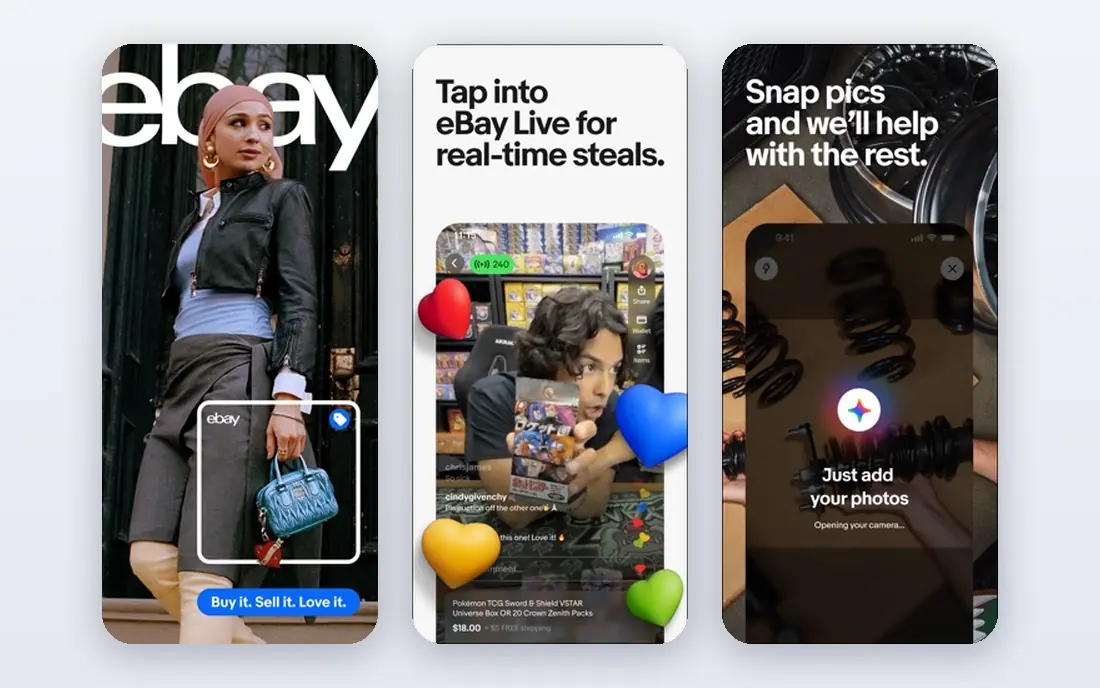
eBay is the best general starting point for learning item description practice, because its item specifics system forces you to be concrete. Title, condition, brand, model, size, and category fields sit alongside your free text description, so buyers can filter and compare listings without guessing. That structure rewards sellers who fill every relevant field and write a plain first paragraph that states what the item is, its condition, and what is included.
The catch is that eBay does not check your description for you. Vague titles, missing measurements, and hidden flaws are your own risk, and they lead to returns and disputes. Use the item specifics, add clear photos from several angles, name every flaw, and state shipping and returns plainly. A careful eBay listing is the template for good practice everywhere else.
- Item specifics fields for condition, brand, and measurements
- Huge buyer audience
- Auction and fixed price formats
- Final value fees vary by category
- Description quality depends on the seller, with no expert review

Etsy suits sellers whose item description needs to explain how something was made, not just what it is. Handmade sellers can describe materials, process, size, care, and variations, while vintage sellers must state age, condition, and any wear. Buyers on Etsy read those details closely, and a story about materials and making often matters as much as the item itself.
The limit is format. Etsy is mainly a fixed price marketplace, not an auction house, so it teaches description practice for a different kind of sale. Fees also add up, with a 20 cent listing fee and a 6.5 percent transaction fee, plus payment processing. Use Etsy to practise rich, honest product storytelling, then carry that detail into your auction listings elsewhere.
- Good for handmade and vintage stories
- Materials and process fields
- Buyers expect maker detail
- Listing fee of 20 cents plus a 6.5 percent transaction fee
- Auction format is not the main model
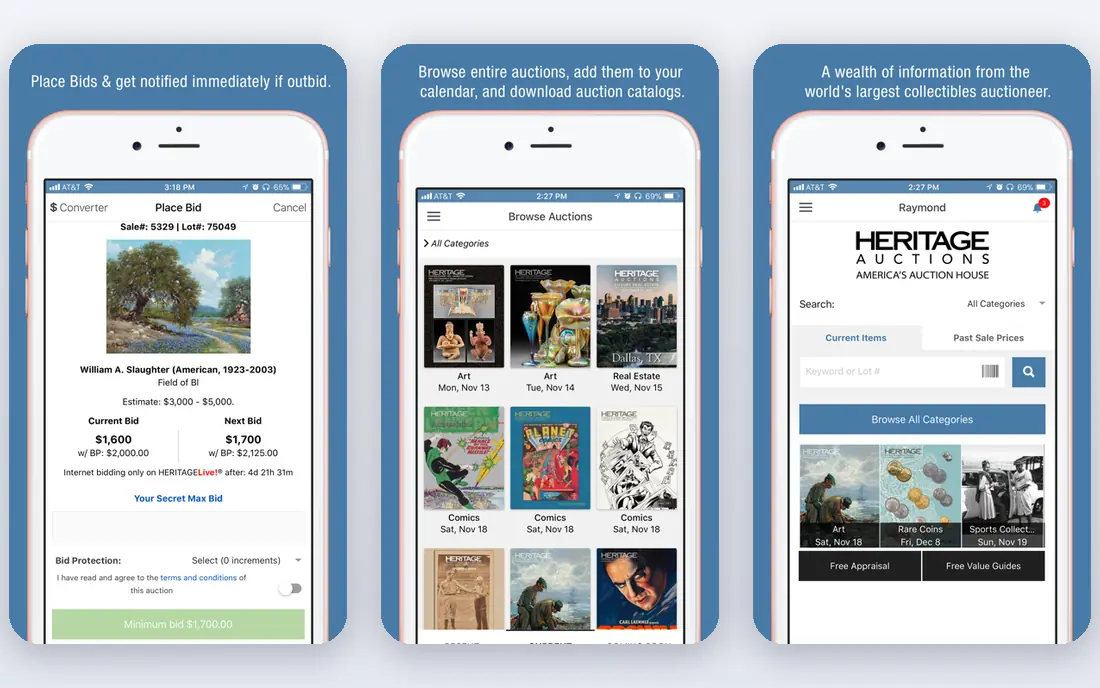
Heritage Auctions shows what a professional item description looks like at the high end. Its specialists research provenance, grade, condition, and history, then write lot descriptions that collectors can rely on. For a seller with a valuable coin, comic, card, or piece of memorabilia, that expert description is part of what you are paying for, and it reaches buyers who trust the house.
The catch is access. Heritage is a consignment auction house, not a site where you list an item yourself in minutes, and seller terms are negotiated per consignment. It is not the right route for everyday goods. Study Heritage lot pages as a model, though: note how they state condition, provenance, and flaws in plain, checkable language, then apply that discipline to your own listings.
- Expert cataloguing for collectibles
- Detailed lot descriptions with provenance
- Large collector audience
- Consignment terms are negotiated, not a self serve listing
- Not suited to low value everyday items
Sotheby's is the model for fine art, jewellery, and luxury descriptions. Its catalogues give medium, dimensions, provenance, exhibition history, and condition in a structured form, so a buyer far away can judge a lot with confidence. That level of detail is why serious collectors trust the house, and it is a useful standard even for sellers working at a much lower price point.
The drawback is selectivity. Sotheby's works on bespoke seller terms and accepts items that meet its thresholds, so most everyday sellers will never consign here. The lesson still transfers. State medium and size, give provenance when you know it, separate fact from opinion, and never claim an attribution you cannot support. Those habits protect you on any platform.
- Expert research and cataloguing
- Strong provenance and condition reporting
- Global luxury buyer audience
- Bespoke seller terms
- Only suited to items that meet its value and category thresholds
Christie's lot descriptions are another strong model for sellers who want to learn best practice. A typical lot page gives a clear title, a structured description, dimensions, provenance, and a condition note, often with a fuller essay for important works. Condition reports can be requested, which shows how seriously the house takes the gap between a photo and the real object.
The limit, again, is access and cost structure. Christie's is a consignment house, not a place to list a single used item yourself, and seller terms are agreed per lot. For ordinary sellers, the value is in the method. Copy the structure, not the price point: title, facts, condition, provenance, and what is included, in that order, with no claim you cannot back up.
- Detailed lot essays and condition reports
- Global auctions across many categories
- Trusted provenance research
- Consignment only, with terms agreed per lot
- Not a self serve marketplace
LiveAuctioneers is useful because it lets you compare descriptions across hundreds of auction houses in one place. You can search a category, read how different houses describe similar items, and see which listings give measurements, condition notes, and provenance, and which leave buyers guessing. That comparison is a fast education in what works.
The catch is variation. LiveAuctioneers hosts listings from many houses, so description quality, fees, and terms differ from one auction to the next. Always read the specific house terms for the lot you are following, and treat the platform as a discovery tool rather than a single seller standard. For a seller, studying strong lots here is one of the best free ways to improve.
- Aggregates auctions from many houses
- Lot pages with photos and descriptions
- Alerts for categories you follow
- Description quality varies by house
- Buyer fees and terms differ per auction
Invaluable is similar to LiveAuctioneers in that it gathers auctions from many houses, with a focus on art, antiques, and collectibles. Lot pages typically include photos, a description, and an estimate, and saved searches let you follow a category and watch how prices relate to description quality. For a seller learning the market, that price and description link is valuable.
The drawback is the same variation problem. Invaluable does not write the descriptions, the houses do, so quality ranges from expert cataloguing to a few thin lines. Use the best lots as your model, and check each house terms for buyer fees, shipping, and returns before you bid or consign. A good description on Invaluable names condition, size, and provenance, not just a title.
- Wide auction house coverage
- Lot descriptions with estimates
- Saved searches and alerts
- Description depth varies by house
- Fees and shipping terms are set per auction
Catawiki is notable because its experts review lots before they go to auction, which raises the floor for description quality. Sellers submit photos and details, experts check the lot, and the published page gives buyers a clearer, more consistent description than a purely self serve marketplace. That review step is a useful model for any seller, even if you list elsewhere.
The catch is acceptance and fees. Not every item passes expert review, and seller commission varies by category, so check the terms for your item before you submit. For European collectibles, watches, art, and classic cars, Catawiki is a strong option. For general goods, eBay remains the more flexible route, with Catawiki as a lesson in why review and detail matter.
- Expert review of lots before auction
- Strong for European collectibles
- Clear lot pages with condition notes
- Seller commission and terms vary by category
- Expert review means not every item is accepted
How we picked these
We compared marketplaces and auction houses using their official listing help, fee pages, and lot examples, and we kept only live platforms in October 2026 where sellers can list or consign real items. We favoured platforms with structured description fields, photo support, condition reporting, and a real buyer audience. We left out sites that only aggregate prices with no listing route, and sites with no verifiable seller terms.
Item description best practices that work on any platform
Start with a title that a buyer would search for: what it is, brand or maker, model or period, size, and condition in plain words. Then write a first paragraph that answers the five questions every buyer asks: what is it, what condition is it in, what is included, what is missing or flawed, and how will it be shipped. Put measurements in both the fields and the text, since buyers filter on fields and read text for detail.
Next, be specific about condition. Use the platform condition scale where one exists, then add your own plain notes on wear, repairs, marks, and working order. Photograph flaws close up, and name them in the text so the photo and the words agree. State provenance only when you can support it, separate facts from your opinion, and avoid vague praise that tells a buyer nothing. Finally, state shipping cost or method, handling time, and returns plainly, and keep a template for each category so no listing goes out with a missing field.
Frequently asked questions
What should an auction item description include?
It should include a clear title, condition, measurements, materials or maker, what is included, any flaws or missing parts, provenance when known, and shipping and returns terms. Photos should match the text. A description that answers those points in plain language builds trust and cuts disputes.
How long should an item description be?
Long enough to answer a buyer questions, and no longer. A common item may need only a few short paragraphs, while art or a collectible may need provenance and condition detail. Avoid padding with praise. Specific facts, measurements, and flaw notes are more useful than extra adjectives.
Should I mention flaws in the description?
Yes, always. Naming flaws in words and photos protects you from returns and builds buyer trust. A flaw a buyer finds after delivery feels like a trick, while the same flaw stated upfront feels like honest selling. Use plain language and close up photos for any damage or wear.
How do I write a good title for an auction listing?
Use words a buyer would search for: item type, brand or maker, model or period, key feature, size, and condition. Avoid vague titles, excessive punctuation, and claims you cannot support. A clear title brings the right buyers, while a clever title often brings none.
Do descriptions differ between eBay and an auction house?
Yes. On eBay you write the full description yourself using item specifics fields, while an auction house expert often writes or reviews the lot description for you. In both cases, your job is to supply accurate facts, photos, and provenance. Never invent history, attribution, or condition to make an item sound better.
What photos work best with an item description?
Use clear, well lit photos from several angles, plus close ups of marks, labels, and flaws. Make sure the photos show the exact item for sale, not a stock image, and that they agree with the text. Good photos do not replace a good description, and a good description does not replace good photos.
Sources
See where you really rank - block by block
ProMapRanker scans Google Maps across a grid of your service area. Simple monthly plans from $19, white-label on every plan.
Start freeKeep reading
 zscaler alternatives
Best Zscaler Alternatives in 2026
Looking for zscaler alternatives? We compare 9 SASE and zero trust platforms on architecture, data protection, pricing, and fit for your network and team.
Read → zapier alternatives free
Best Zapier Alternatives Free in 2026
Nine automation tools for zapier alternatives free in 2026, all with genuinely free tiers, plus free plan limits, starting prices and upgrade paths explained.
Read → which platform is best for online reputation
Which Platform Is Best for Online Reputation in 2026
Wondering which platform is best for online reputation? We compare 8 review, listing, and response tools for small and multi-location businesses and agencies.
Read →