 ProMapRanker
Best Amplemarket Alternatives in 2026


All-in-one data and sequencing · Pricing starts at: $49 per user per month
Key takeaways
- Amplemarket bundles contact data, signals, and multichannel sequencing, so the best alternative depends on which part of that bundle you value most.
- Apollo is the closest all-in-one replacement for teams that want data and sequencing under one price.
- Outreach and Salesloft suit larger sales teams that need deep sequencing, deal workflow, and CRM integration.
- Instantly, Smartlead, Lemlist, and Reply suit smaller teams that want lower prices and faster setup.
- Clay is the enrichment pick when your bottleneck is list quality and personalisation, not sending volume.
Quick comparison
| Pick | Great for | Pricing starts at | Free tier | |
|---|---|---|---|---|
| Apollo | All-in-one data and sequencing | $49 per user per month | Yes | Visit |
 Outreach | Enterprise sequencing and workflow | See website | No | Visit |
 Salesloft | Enterprise sales engagement | See website | No | Visit |
 Reply | Multichannel sequencing for small teams | See website | Free trial | Visit |
 Lemlist | Personalised multichannel outreach | See website | Free trial | Visit |
 Instantly | High-volume cold email | $37 per month | No | Visit |
 Smartlead | High-volume sending and deliverability | $39 per month | Free trial | Visit |
 Clay | Enrichment and list building | See website | Free trial | Visit |
 HubSpot Sales Hub | CRM-native sales workflows | See website | Yes | Visit |
The best Amplemarket alternatives
Amplemarket combines B2B contact data, buying signals, AI-assisted outreach, and multichannel sequences for outbound sales teams. A team leaving it may want a lower price, a simpler sender, deeper enterprise workflow, or better data for one region. We compared official feature pages, pricing pages, and public documentation, and we kept only tools still sold and supported in October 2026.
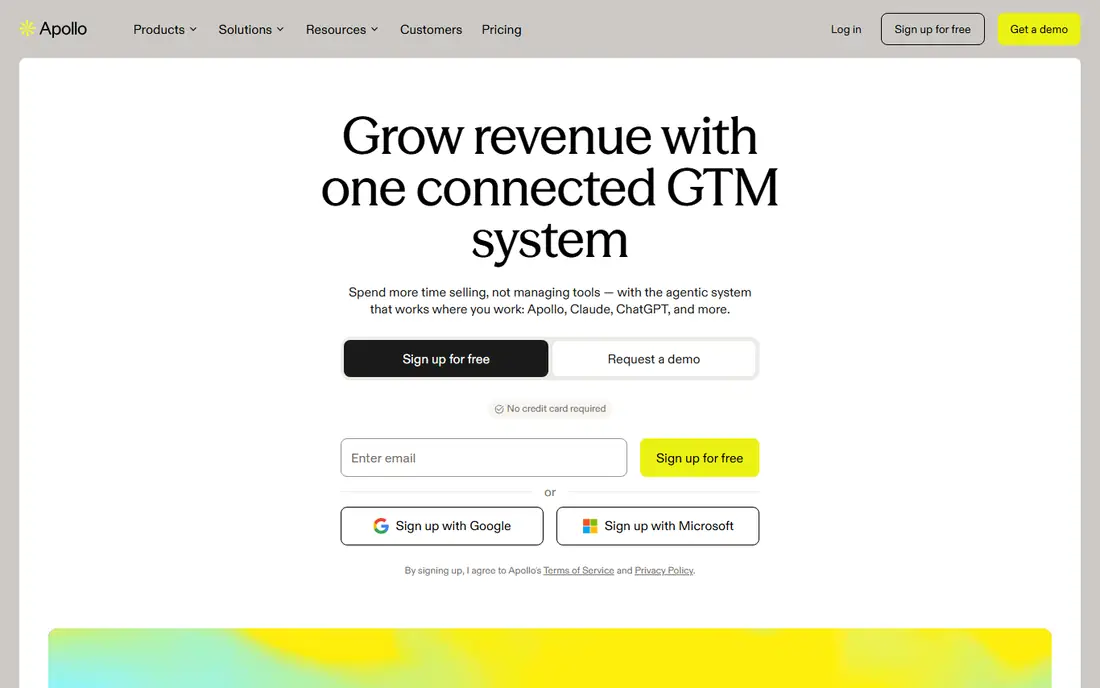
Apollo is the most direct Amplemarket replacement for a team that wants data and outreach in one tool. It offers a large B2B database, filters for building lists, email sequencing, and CRM sync, with a free tier for a small trial. A team that currently pays for separate data and sequencing tools can often consolidate here.
Credit metering is the catch to model carefully. Revealing contacts and exporting lists consume credits, and phone numbers cost more than emails in published comparisons. A phone-heavy team can burn through an allowance faster than expected. For email-led outbound with a clear list strategy, Apollo remains the best value all-in-one pick.
- Large contact database plus sequencing
- Free tier to trial
- Broad CRM integrations
- Credit metering can raise costs
- Phone data costs more credits than email data
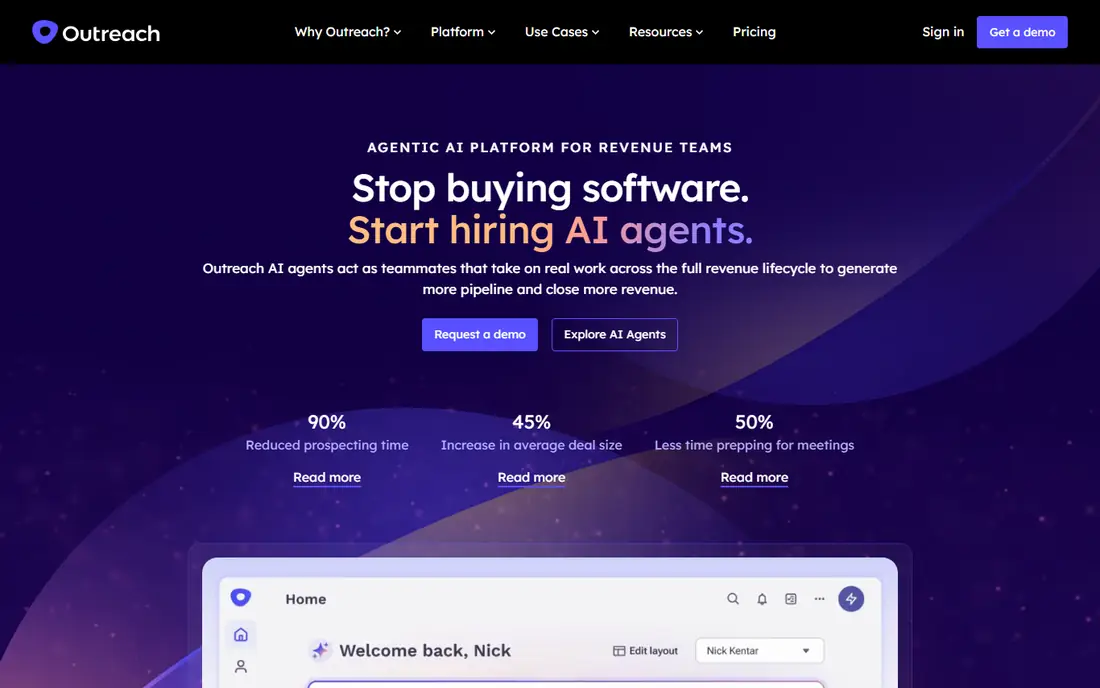
Outreach suits larger sales organisations that need disciplined sequencing, coaching, and deal management across many reps. Its workflow depth, reporting, and Salesforce integration help a sales leader standardise how a team works, rather than just how it sends email. Conversation intelligence add-ons can also help managers coach from real calls.
The trade-off is cost and completeness. Outreach does not include a native contact database, so a team still needs a data source, and pricing is quoted with annual contracts and possible implementation fees. Smaller teams often find it heavy. For an enterprise team that already has data covered, Outreach is a proven engagement layer.
- Deep sequencing and deal workflows
- Strong Salesforce integration
- Conversation intelligence options
- Quoted pricing
- No native contact database
- Implementation can be costly
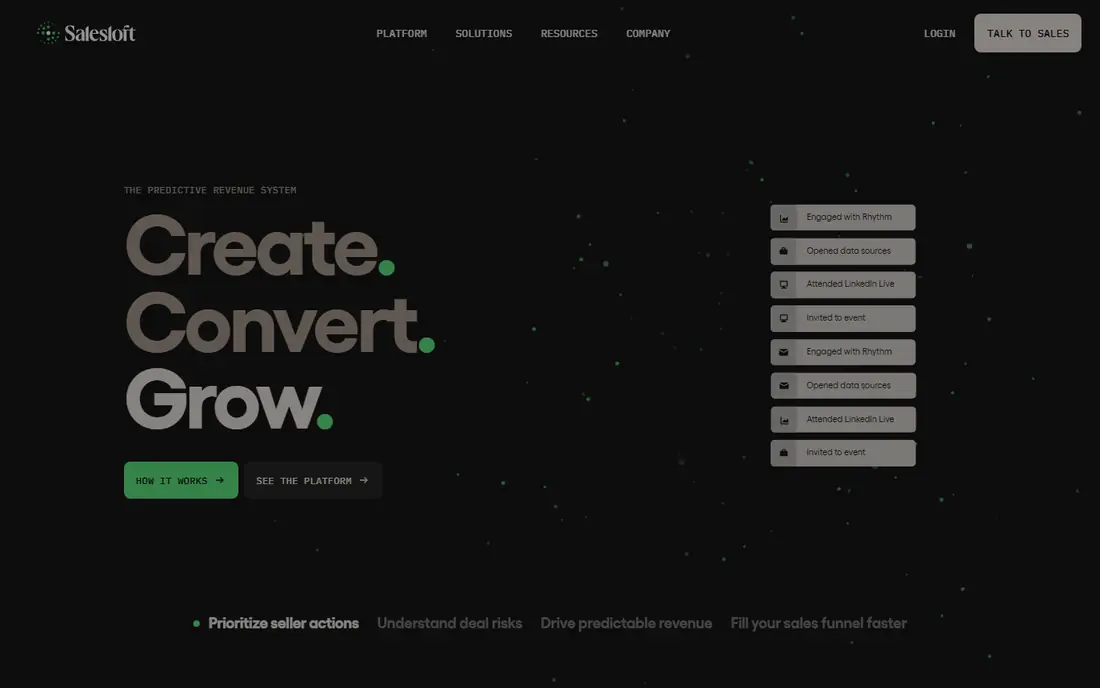
Salesloft competes directly with Outreach for enterprise sales engagement, with cadences across email, calls, and social touches, plus analytics for managers. Its dialer workflows suit teams that still rely on phone outreach alongside email, and its integrations cover the major CRMs. A larger team that wants a single engagement standard will find it familiar.
Pricing is quoted, and extras such as dialer capacity can raise the total, so a buyer should get a full quote, not just a headline figure. Setup also takes more time than a small sender. For a team that needs enterprise governance and call workflows, Salesloft is a strong Amplemarket alternative, provided the budget fits.
- Mature cadence and dialer workflows
- Strong analytics
- Broad enterprise integrations
- Quoted pricing
- Dialer and extras can add cost
- Heavier setup than small senders
Reply gives a smaller team multichannel sequencing without enterprise complexity. It covers email, LinkedIn touches, calls, and SMS in sequences, with reporting and inbox management in one place. AI assistance can help draft and personalise outreach, which suits a lean team that cannot write every message from scratch.
Pricing needs care, since published entry figures vary and AI agent features sit on higher tiers. A buyer should confirm the current plan that includes the channels and AI features they need. For a team that wants a capable sequencer at a mid-market price, Reply is a balanced middle ground between a bare sender and an enterprise suite.
- Email, LinkedIn, and call sequences
- AI assistance options
- Simpler setup than enterprise suites
- Entry pricing varies by source
- AI agent features cost extra
Lemlist stands out for personalisation, with custom images, videos, and dynamic fields that help a message feel written for one person rather than a list. It also covers LinkedIn and email sequences, with warmup and deliverability features that help new sending domains. Creative outbound teams often prefer it for that reason.
Costs rise with team size and sender count. Per-user pricing plus extra sender fees can surprise a team that scales quickly, so model the full sender setup before committing. If your reply rate problem is relevance rather than volume, Lemlist is one of the best tools here for fixing the message itself.
- Strong personalisation options
- LinkedIn and email sequences
- Deliverability tools
- Per-user pricing adds up
- Extra senders cost more
Instantly is built for volume cold email at a flat price, which suits agencies and small teams that send a lot. Its warmup tools, inbox rotation, and campaign management help a team protect domain reputation while scaling sends. A flat plan also makes budgeting easier than a per-seat plus credits model.
The gap is data. Instantly does not include a full contact database, so a team still needs a list source, and its CRM and lead finder add cost. That split is fine if you already have clean data. If you want data and sending in one bill, Apollo or Amplemarket itself may fit better.
- Flat pricing for sending
- Built-in warmup
- Unlimited inboxes on higher tiers in published plans
- No native contact database
- CRM and lead tools cost extra
Smartlead competes closely with Instantly for high-volume email, with a strong focus on deliverability, warmup, and inbox management. Agencies like its client separation and campaign controls, which help run many senders without mixing data. Its flat pricing also suits teams that want predictable costs as volume grows.
Like Instantly, Smartlead needs a separate data source, and its fuller agency features sit on higher tiers. A team that buys it expecting an all-in-one data tool will be disappointed. A team that buys it as a sending engine, with clean lists underneath, gets one of the best value senders in this list.
- Flat pricing
- Deliverability and warmup focus
- Agency-friendly client management
- No native database
- Higher tiers scale with clients and features
Clay solves a different problem from the senders above. It pulls data from many providers, enriches and cleans lists, and builds targeted prospect tables that can feed a sequencer or CRM. A team whose replies are low because lists are stale or generic will gain more from Clay than from another sender. Its AI research agents can also gather account context at scale.
Clay is not a complete outbound tool on its own, since sending still needs a sequencer. Credit-based pricing also needs modelling against your list size and enrichment depth. Pair it with Instantly, Smartlead, Reply, or Lemlist, and it becomes the data layer that makes those senders work harder.
- Many enrichment providers in one workflow
- Flexible list building
- AI research agents
- Not a sender on its own
- Credit-based pricing needs careful modelling
HubSpot Sales Hub suits a team that already runs its pipeline in HubSpot and wants outreach inside the same system. Sequences, templates, meeting scheduling, and pipeline reporting live next to contact records, which reduces tool switching and keeps activity visible. A free CRM tier also lets a small team start without a new contract.
Outbound depth is the limit. HubSpot is a CRM first, so its data and deliverability tooling are thinner than a dedicated outbound platform, and fuller features need paid tiers. A team that wants CRM-native workflows more than maximum sending volume will find it a clean Amplemarket alternative, especially when paired with a data source.
- Sequences inside the CRM
- Free CRM starting point
- Strong reporting and pipeline tools
- Full outbound features need paid tiers
- Not a standalone data provider
How we picked these
We compared official feature pages, pricing pages, and public documentation for sales engagement, sending, and enrichment tools still sold in October 2026. We required a real outbound workflow, meaning list building, sequencing, or sending, and we kept the mix broad so data-led, enterprise, and volume-led teams each have options. We left out pure CRMs without sequencing and pure data tools without an outbound workflow, except Clay, which is included as the enrichment layer many outbound stacks need.
What to check before you switch
Start with your bottleneck. If replies are low because lists are poor, fix data first with Apollo or Clay. If replies are low because sending is slow or domains burn out, fix the sender with Instantly or Smartlead. If the problem is inconsistent process across many reps, an enterprise suite such as Outreach or Salesloft may help more than a cheaper sender.
Next, model total cost at your real volume. Count seats, senders, credits, phone data, and any AI add-ons, since headline prices rarely tell the full story. Finally, check deliverability basics before you scale, including domain authentication, warmup, and sending limits. A new tool does not fix a damaged domain, and a rushed volume increase can hurt a good list.
Frequently asked questions
What is the best all-in-one Amplemarket alternative?
Apollo is the closest all-in-one pick, since it bundles a contact database with sequencing and CRM sync. Outreach and Salesloft are stronger on enterprise workflow but need a separate data source. The best choice depends on whether you value one bill or deeper workflow controls more.
Which alternative is cheapest for cold email?
Instantly and Smartlead offer the lowest flat starting prices in this list, at $37 and $39 per month respectively in published comparisons. Both need a separate list source, so add data costs to the total. Apollo's free tier is useful for a small trial, but paid plans rise with seats and credits.
Do I still need a separate data tool with Outreach or Salesloft?
Yes, in most cases. Outreach and Salesloft are engagement platforms, not contact databases, so a team needs Apollo, Clay, ZoomInfo, or another data source for lists. Amplemarket and Apollo bundle data and engagement, which is why they suit teams that want fewer vendors.
What is Clay used for if it does not send email?
Clay builds and enriches prospect lists from many data providers, cleans records, and adds account context for personalisation. Those lists then feed a sender such as Instantly, Smartlead, Reply, or Lemlist. It is the data layer, not the sending layer, in an outbound stack.
How do I protect deliverability when switching tools?
Warm up new domains and inboxes gradually, set up SPF, DKIM, and DMARC, and keep daily sending per inbox modest at first. Verify lists before sending, use a custom tracking domain where offered, and monitor bounces and spam complaints. Switching tools does not reset a damaged domain reputation.
Which tool is best for a small team starting outbound?
Apollo suits a small team that wants data and sequencing together, while Instantly or Smartlead suit a team that already has lists and wants volume sending. Reply and Lemlist sit between those poles, with multichannel sequences and personalisation. Start with one sender, prove reply rates, then add enrichment.
Sources
- https://www.artisan.co/blog/the-best-amplemarket-alternatives
- https://www.g2.com/products/amplemarket/competitors/alternatives
- https://www.amplemarket.com/blog/best-ai-sales-engagement-platforms-2026
- https://prospeo.io/s/outbound-sales-tools
- https://prospeo.io/s/sales-outreach-tools
- https://salesforge.ai/blog/amplemarket-vs-apollo
See where you really rank - block by block
ProMapRanker scans Google Maps across a grid of your service area. Simple monthly plans from $19, white-label on every plan.
Start freeKeep reading
 zyte alternatives
Best Zyte Alternatives in 2026
These zyte alternatives cover managed scraping APIs, proxy networks and no code tools for lawful collection from your own or consented sources only in 2026.
Read → zerto alternatives
Best Zerto Alternatives in 2026
Compare the best zerto alternatives for disaster recovery and replication, with recovery targets, cloud options and honest trade-offs for teams in 2026.
Read → zerofox alternatives
Best ZeroFox Alternatives in 2026
We compared 9 zerofox alternatives for brand protection, phishing takedowns, dark web monitoring, and social impersonation, with clear coverage notes.
Read →