 ProMapRanker
Best Alternatives to Zotac in 2026


Buyers who want premium cooling and build quality · Pricing starts at: See website
Key takeaways
- ASUS, MSI and Gigabyte offer the widest NVIDIA and AMD ranges, from compact cards to premium cooled models.
- Sapphire, PowerColor and XFX lead for AMD cards, with strong cooling and value in the Radeon range.
- ASRock, PNY and Palit suit budget and workstation buyers who want solid cards without premium pricing.
- The GPU chip sets performance class, while the board partner sets cooling, noise, size, software and warranty.
- Check card length, slot width, power connectors and case airflow before buying any partner card.
Quick comparison
| Pick | Great for | Pricing starts at | Free tier | |
|---|---|---|---|---|
| ASUS | Buyers who want premium cooling and build quality | See website | No | Visit |
 MSI | Balanced cards for gaming across price tiers | See website | No | Visit |
 Gigabyte | Buyers who want choice across NVIDIA and AMD | See website | No | Visit |
 Sapphire | AMD gamers who want cool and reliable cards | See website | No | Visit |
 PowerColor | AMD gamers who want strong custom cooling | See website | No | Visit |
 XFX | AMD gamers who want value and durable builds | See website | No | Visit |
 ASRock | Budget buyers and builders who want AMD or Intel cards | See website | No | Visit |
 PNY | Workstation users and value NVIDIA buyers | See website | No | Visit |
 Palit | Value NVIDIA buyers in many international markets | See website | No | Visit |
The best alternatives to zotac
Zotac is known for compact NVIDIA cards and factory-overclocked models. The brands below build graphics cards and PC hardware around the same NVIDIA, AMD and Intel chips, with different coolers, sizes, software and support. Prices vary by GPU model and retailer, so check current store pricing for the exact card you want.

ASUS builds graphics cards under ROG Strix, TUF Gaming, Prime and Dual lines, covering NVIDIA and AMD GPUs from entry level to flagship. Its coolers are often among the quietest and coolest in a given GPU class, and build quality, including metal backplates and fan design, is a consistent strength. That range lets a buyer pick a compact dual-fan card or a large triple-fan card for the same chip.
Premium ROG models carry a clear price premium over the same GPU from a value brand. The many sub-lines also need care when comparing specs. For a buyer who values cooling, quiet operation and build quality over the lowest price, ASUS is a leading pick.
- ROG Strix and TUF Gaming lines
- Efficient cooling on many models
- Wide NVIDIA and AMD range
- Premium models cost more
- Model names can confuse
- Software suite is large
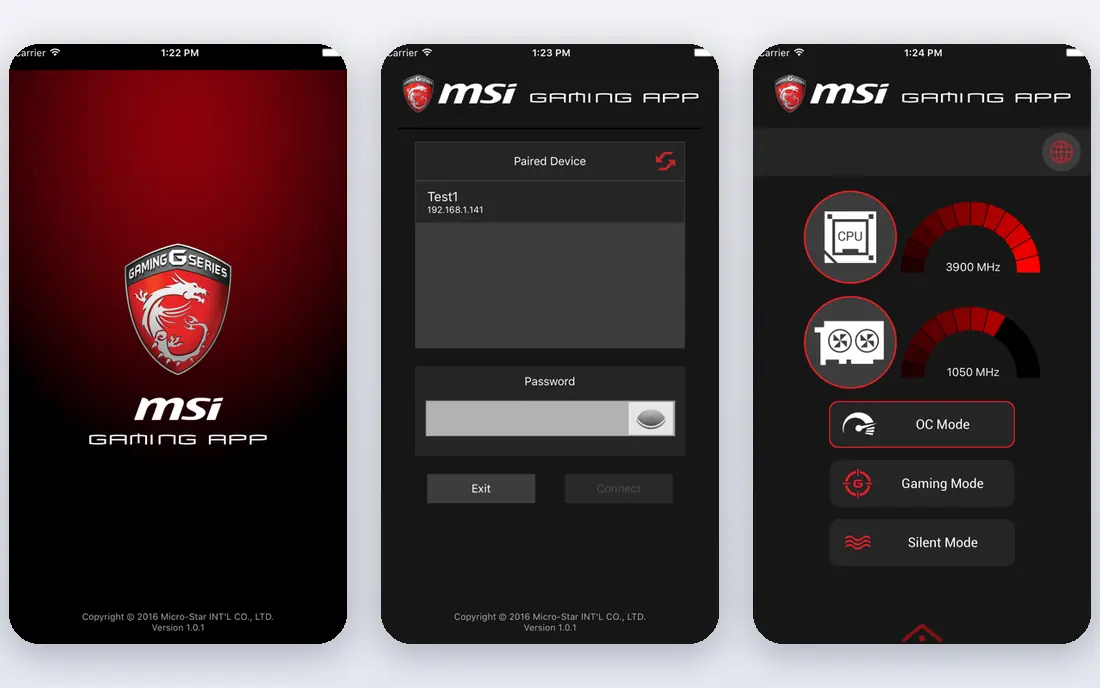
MSI offers NVIDIA and AMD cards across Ventus, Gaming, Gaming X Trio and Suprim lines, with a balance of cooling, noise and price that suits many builders. Gaming X Trio models provide strong cooling for higher-end GPUs, while Ventus models give a simpler route to the same chip at a lower price. Its Afterburner software is widely used for fan curves and overclocking, even on other brands.
Entry models use simpler coolers, so a buyer should check fan count, temperatures and noise for the exact card, not just the GPU name. Premium lines can also cost close to ASUS equivalents. For a well-rounded card at most price points, MSI is a safe and popular choice.
- Gaming X Trio and Ventus lines
- Good balance of cooling, noise and price
- Wide model choice
- Entry Ventus coolers are simpler
- Premium models overlap in price
- Software can feel busy
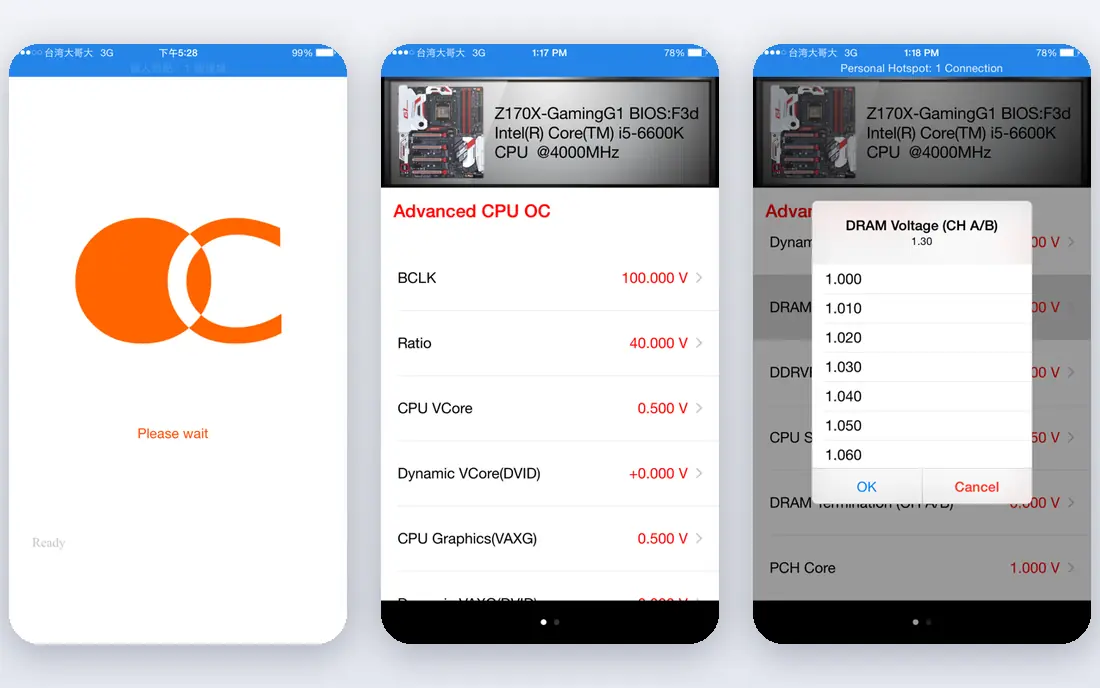
Gigabyte builds a wide range of NVIDIA and AMD cards, from Windforce dual-fan models to AORUS premium cards with larger coolers and RGB lighting. That breadth helps small-form-factor builders as well as large-tower builders, since card length and slot width vary across the range. Gaming OC models often sit in the middle on price and cooling.
Cooler and fan quality differ by line, so a low-cost Windforce card will not match an AORUS card on noise or temperatures. Support experience also varies by country. For a buyer who wants many size and price options for the same GPU, Gigabyte offers strong choice.
- AORUS, Gaming OC and Windforce lines
- Many sizes including compact models
- Competitive pricing
- Cooler quality varies by line
- Software experience varies
- Support quality varies by region
Sapphire is an AMD-focused board partner, with Pulse cards for value and Nitro+ cards for premium cooling, lighting and build. Its cards are known for steady temperatures and quiet fans, and the brand has a long record as a Radeon specialist. For a buyer set on an AMD GPU, Sapphire is often the first brand to check.
The AMD-only range means NVIDIA buyers must look elsewhere, and Nitro+ pricing can approach premium NVIDIA partner cards. Availability also varies outside major markets. For Radeon builds, from 1080p to high-end 1440p and 4K, Sapphire is a top pick.
- Pulse and Nitro+ lines
- Strong AMD focus
- Good balance of temperature, noise and price
- AMD only, no NVIDIA cards
- Premium Nitro+ models cost more
- Availability varies by region
PowerColor builds AMD cards under Red Devil, Hellhound and Fighter lines, with custom coolers designed for sustained gaming loads. Red Devil models target enthusiasts with larger coolers and higher factory clocks, while Hellhound models balance cooling and price. That AMD focus gives PowerColor deep experience with Radeon power and thermal behavior.
The bold designs, with large coolers and strong styling, may not suit a quiet or understated build. Like Sapphire, the range covers AMD only. For an AMD gamer who wants cooling headroom and value, PowerColor is a strong alternative.
- Red Devil and Hellhound lines
- Strong custom coolers
- Competitive AMD pricing
- AMD only
- Design is bold and may not suit every build
- Support varies by region
XFX builds AMD cards with a focus on value, durable components and distinct styling, from entry Radeon models to higher-end Mercury and Speedster lines. Its cards often compete on price for the same GPU class, which helps builders who want AMD performance without paying for a premium brand badge. Cooling and build quality on mid-tier models are generally solid.
Availability varies by retailer and region, and the software bundle is lighter than larger rivals. NVIDIA buyers need another brand. For a value-led AMD build, XFX offers a practical and often cheaper route to the same chip.
- Competitive AMD pricing
- Durable components
- Distinct designs across tiers
- AMD only
- Model availability varies
- Software is lighter than ASUS or MSI
ASRock, known for motherboards, also builds graphics cards under Challenger, Steel Legend and Phantom Gaming lines, covering AMD and Intel Arc GPUs. Challenger models suit budget builds, while Steel Legend models add stronger cooling and styling. Intel Arc options also suit streamers and creators who value AV1 encoding at a lower price.
Premium cooling and build depth are below the top ASUS and MSI lines, and card availability varies by market. Buyers should check cooler size and fan count for the exact model. For a budget AMD or Intel build, ASRock offers solid value.
- Challenger and Steel Legend lines
- Budget-friendly pricing
- AMD and Intel Arc options
- Cooler quality varies by line
- Premium depth is below ASUS and MSI
- Support varies by region
PNY builds NVIDIA gaming cards under XLR8 and related lines, plus NVIDIA professional workstation cards used for rendering, CAD and AI work. That workstation presence suits creators and professionals who need certified drivers and stable performance, not just gaming frames. Gaming models often offer solid value for the same GPU class.
Gaming design is plainer than ASUS ROG or MSI Gaming lines, and the gaming cooler range is narrower. Retail availability also varies by country. For a workstation buyer, or a value NVIDIA gamer who cares more about the chip than styling, PNY is a dependable brand.
- XLR8 gaming lines
- NVIDIA professional cards
- Solid value on many models
- Gaming cooler range is narrower
- Design is plain
- Retail availability varies
Palit builds NVIDIA cards under GameRock, GamingPro and Dual lines, with a focus on value pricing and wide availability in Europe, Asia and other markets outside the United States. Dual models suit compact and budget builds, while GameRock models add larger coolers and lighting for higher-end GPUs. That value focus helps buyers who want a current NVIDIA chip without a premium brand price.
US buyers may find Palit harder to buy than ASUS, MSI or Gigabyte, and premium software and support features are lighter. For international buyers seeking value NVIDIA cards, Palit is a practical alternative.
- Competitive NVIDIA pricing
- GameRock and Dual lines
- Wide international availability
- US retail presence is limited
- Premium features are fewer
- Support varies by region
How we picked these
We compared official brand pages, plus public GPU brand guides, to confirm each brand is live in October 2026 and sells current graphics cards or PC hardware. We excluded Zotac itself, as this article covers alternatives, and we excluded EVGA from the main list because it no longer sells new NVIDIA graphics cards. We favored brands with current NVIDIA, AMD or Intel card ranges, and we marked pricing as See website since card prices vary by model and retailer. We did not claim hands-on testing.
What to check before you buy
Pick the GPU chip first, then the partner card. A mid-range chip will not match a flagship chip, no matter how good the cooler is, while a poor cooler can make a good chip loud and hot. Check benchmarks for the exact GPU class, then compare partner cards on cooler size, fan count, noise, card length, slot width and power connectors.
Measure your case before ordering. Check maximum card length, clearance for a 2.5-slot or 3-slot card, and whether your power supply has the right connectors and wattage. Confirm warranty length, return policy and support in your country, since these vary by brand and retailer. Buying from a retailer with a clear return policy matters more than saving a small amount on an unknown seller.
Frequently asked questions
Is ASUS better than Zotac for graphics cards?
ASUS often leads on cooling and build quality, especially in ROG Strix and TUF Gaming lines, but its premium cards cost more. Zotac suits compact builds and value buyers. The better brand depends on the exact GPU, cooler and price at the time you buy.
Which brand is best for AMD graphics cards?
Sapphire, PowerColor and XFX are the strongest AMD-focused brands, with Sapphire often cited first for cooling and reliability. ASUS, Gigabyte and ASRock also sell AMD cards, so compare the exact model rather than the brand alone.
Are cheap graphics card brands reliable?
A lower price usually means a simpler cooler, not a different GPU chip, since the chip comes from NVIDIA, AMD or Intel. Check cooler design, warranty and retailer support for the exact card, and avoid cards with unclear warranty terms.
Do I need a premium card for gaming?
No, for most 1080p and 1440p gaming, a mid-tier partner card with a solid dual- or triple-fan cooler is enough. Premium cards help most for high-end GPUs, small cases with poor airflow, or buyers who want quieter operation under load.
What size graphics card fits my PC?
Check your case maximum card length, slot width and power supply connectors before buying. Measure the space, confirm the card length and width in the product specs, and check that your power supply meets the wattage and connector needs for that GPU.
Sources
See where you really rank - block by block
ProMapRanker scans Google Maps across a grid of your service area. Simple monthly plans from $19, white-label on every plan.
Start freeKeep reading
 zoro.to alternatives
Best Zoro.to Alternatives in 2026
We compare the best zoro.to alternatives in 2026, listing only legal licensed anime streaming services, from Crunchyroll to free options for fans today.
Read → zip alternatives
Best Zip Alternatives in 2026
We compare the best zip alternatives for buy now, pay later in 2026, covering pay-in-4 plans, fees, spending limits, and credit reporting options today.
Read → yesware alternatives
Best Yesware Alternatives in 2026
Compare the best yesware alternatives for sales email tracking, templates, and sequences, with current pricing and honest tradeoffs for small sales teams.
Read →