 ProMapRanker
Best Alternatives to QuickBooks in 2026

Key takeaways
- Xero is the closest full replacement for most small businesses, with bank reconciliation, invoicing, and a large app marketplace.
- Wave and Zoho Books are the strongest low-cost starting points, with genuinely useful free tiers for simple books.
- FreshBooks suits service businesses that live on invoicing and time tracking, while Bench suits owners who want a human bookkeeper to do the work.
- QuickBooks Desktop users should check inventory, payroll, and multi-user needs carefully, since not every alternative covers all three well.
- Prices change often, so confirm the current plan limits on the vendor pricing page before you switch, especially invoice and user limits.
Quick comparison
| Pick | Great for | Pricing starts at | Free tier | |
|---|---|---|---|---|
 Xero | Growing small businesses | $25 per month | Free trial | Visit |
 FreshBooks | Service businesses and freelancers | $23 per month | Free trial | Visit |
 Wave | Free bookkeeping for solos | Free | Yes | Visit |
 Zoho Books | Low-cost, full accounting | Free | Yes | Visit |
 Sage Accounting | Established small businesses | See website | Free trial | Visit |
 FreeAgent | UK small businesses and landlords | See website | Free trial | Visit |
 Bench | Done-for-you bookkeeping | See website | No | Visit |
 Kashoo | Simple, no-fuss bookkeeping | See website | Free trial | Visit |
The best alternatives to QuickBooks in 2026
QuickBooks is the default for many accountants, but it is not the only sound choice. The tools below cover the main reasons people leave: cost, complexity, invoicing needs, and a wish for simpler books. We kept the focus on tools that handle real accounting work, not just invoice templates.
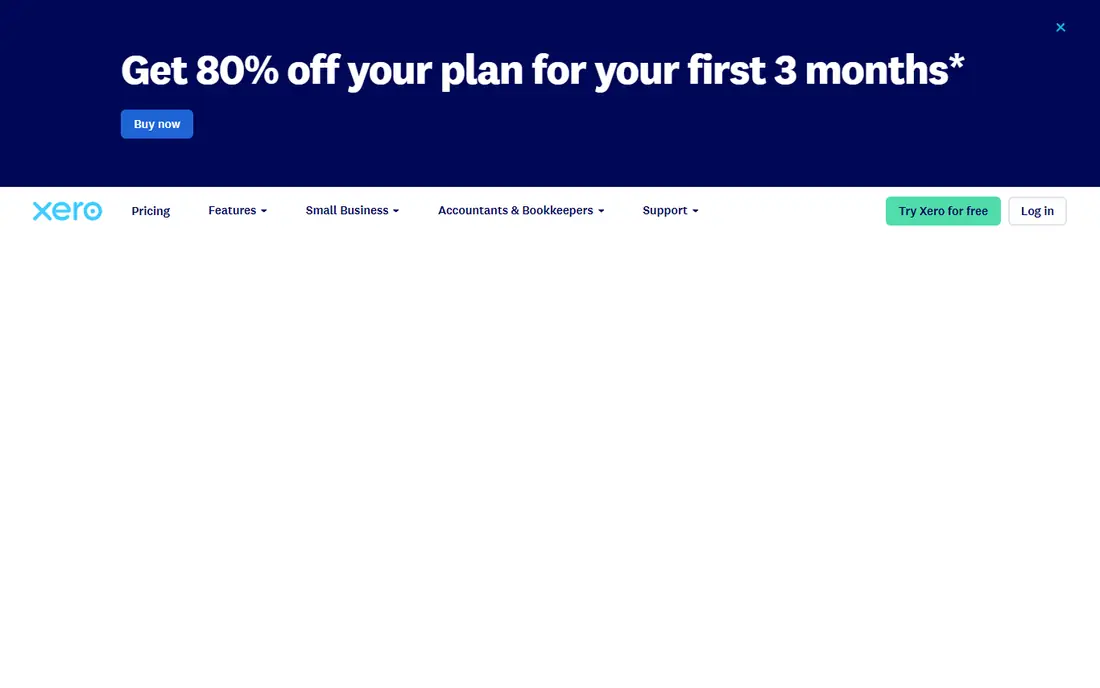
Xero is the alternative most QuickBooks users find easiest to compare directly. It covers invoicing, bank feeds, reconciliation, bills, and reporting, and every plan includes unlimited users, which removes the per-seat maths that pushes QuickBooks costs up as a team grows. Its marketplace also connects to payroll, payments, and inventory tools.
The entry plan is the catch. It caps monthly invoices and bills, so a busy business can outgrow it quickly. Multi-currency also sits on a higher plan. Even with those limits, Xero is our pick for a business that wants full accounting without QuickBooks, especially if an accountant or bookkeeper will share access.
- Unlimited users on plans
- Strong bank reconciliation
- Large integration marketplace
- Entry plan limits invoices and bills
- Multi-currency needs a higher plan
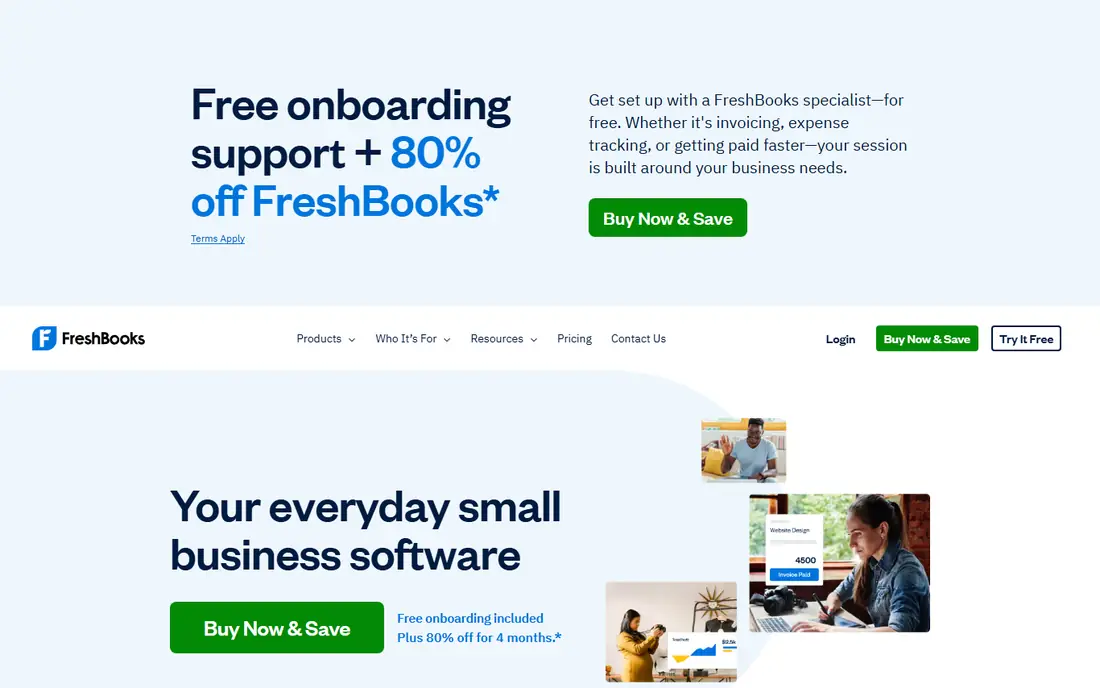
FreshBooks started as an invoicing tool, and that history still shows in the best way. Invoices look clean, clients can pay online, and time tracking feeds straight into billing. For consultants, agencies, designers, and other service businesses, that flow can save more time than a longer feature list.
FreshBooks is less convincing for product businesses. Inventory support is thinner than in QuickBooks or Xero, and the entry plan limits the number of billable clients. If your work is selling time and expertise rather than stock, though, FreshBooks is often the quicker, friendlier choice.
- Polished invoicing
- Built-in time tracking
- Client portal for payments and communication
- Entry plan limits billable clients
- Weaker inventory support than QuickBooks
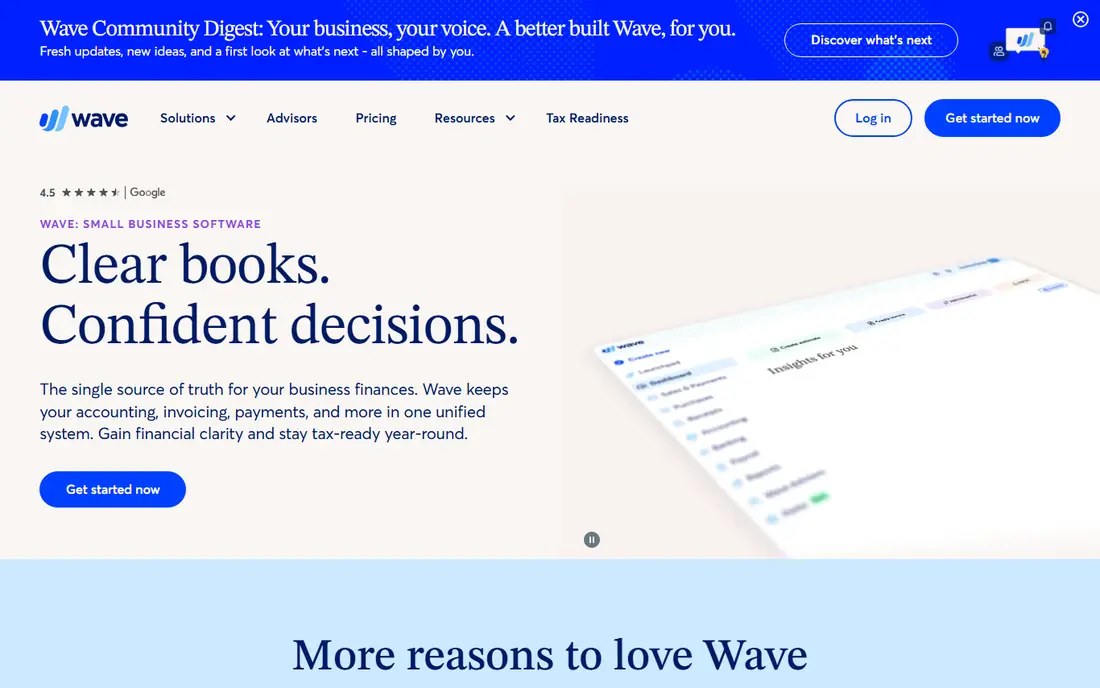
Wave is the rare free option that covers real bookkeeping, not just a trial. Sole proprietors can send unlimited invoices, record expenses, and run basic reports without a monthly fee. That makes it a sensible first step for a new business that is still testing whether it needs paid software at all.
The limits are clear. Wave supports a single currency, and some features that QuickBooks users take for granted, such as payroll, cost extra. It also suits simpler books: once you need inventory, multi-entity reporting, or complex job costing, a paid tool will fit better. For simple books on a zero budget, Wave is hard to beat.
- Free core accounting and invoicing
- Simple setup
- No revenue cap on the free plan
- No multi-currency support
- Payroll and payments are paid add-ons
Zoho Books gives small businesses something unusual: proper double-entry accounting on a free plan, provided annual revenue stays under the published limit. Paid plans add users, automation, and higher transaction limits, and they still tend to cost less than comparable QuickBooks plans. For a business already using Zoho CRM, Zoho Inventory, or Zoho Mail, the shared setup adds further value.
The free plan is not unlimited, and businesses with high invoice volumes will need a paid plan sooner than they might expect. The interface also takes a little learning if you come from QuickBooks. On price and accounting depth together, however, Zoho Books is one of the strongest quickbooks alternatives for small business owners on a budget.
- Free plan for smaller businesses
- Full double-entry accounting
- Strong value on paid plans
- Free plan has revenue and transaction limits
- Best value if you use other Zoho apps
Sage has sold accounting software for decades, and Sage Accounting is its cloud option for small businesses. It covers invoicing, expenses, bank connections, and cash flow reporting, with plans that scale from sole traders to larger small firms. Businesses that already know Sage products, or whose accountant works with Sage, may find the switch smoother than moving to a newer vendor.
Pricing is the part to check carefully. Sage prices vary by country, and introductory offers can make the first months look cheaper than the ongoing rate. Compare the standard monthly price, not just the first-term discount, and confirm which features sit on each tier before you commit.
- Long-established accounting vendor
- Invoicing and cash flow tools
- Plans for different business sizes
- Pricing varies by country and plan
- Some features need higher tiers or add-ons
FreeAgent is built for UK freelancers, small limited companies, and landlords, and that focus shapes everything from tax estimates to filing support. Its dashboard shows cash flow, tax liability, and outstanding invoices in one place, which helps owners who want to see where they stand without digging through reports.
That UK focus is also its limit. A US business that needs US payroll, sales tax handling, or state filing will find better fits elsewhere on this list. For a UK-based sole trader or small company leaving QuickBooks, though, FreeAgent is a focused, well-matched option.
- Clear dashboard for tax and cash flow
- Built for UK freelancers, small companies, and landlords
- Mainly UK-focused
- Less suited to US tax and payroll needs
Bench is different from every other tool here because it is a service, not just software. A dedicated bookkeeper categorises transactions, reconciles accounts, and prepares monthly statements, while the owner reviews reports through the Bench platform. For owners who hate bookkeeping, or who have fallen behind, that handover is the point.
The trade-off is price and control. Bench costs more than a software subscription, and owners who enjoy working in their own books may find the service too hands-off. If your main problem with QuickBooks is not the price but the time bookkeeping takes, Bench solves a different problem than a cheaper app, and it solves it well.
- Human bookkeeper does the monthly books
- Clear monthly reports
- Tax-season support options
- Costs more than software alone
- Less hands-on control for owners who like doing their own books
Kashoo aims at owners who find full accounting software overwhelming. The interface stays close to income, expenses, invoicing, and reports, without layers of settings. For a micro-business or a first-time owner, that simplicity can be the difference between books that get done and books that get ignored.
Simplicity has a ceiling. Kashoo offers fewer integrations and less depth for inventory, projects, or complex reporting than larger rivals. If your business is simple and likely to stay that way, that ceiling may never matter. If you expect rapid growth, start with a tool that scales further.
- Simple interface for beginners
- Invoicing, expenses, and reports in one place
- Cloud access
- Fewer integrations than Xero or Zoho
- Not built for complex inventory or multi-entity needs
How we picked these
We compared official feature pages, pricing pages, app store listings, privacy policies, and public reviews for tools that genuinely replace QuickBooks for small business accounting. We included free, mid-priced, and service-based options, and we left out tools that only create invoices without proper bookkeeping. We did not claim hands-on testing, and we treated introductory prices with care, favouring standard plan prices and published limits where we could verify them.
Migration matters as much as features. Before switching, export your QuickBooks data, check how each alternative imports past transactions, and ask your accountant which tools they support. A tool your accountant refuses to use will cost more in time than it saves in subscription fees.
How to choose the right QuickBooks alternative
Start with how you make money
Service businesses should weight invoicing, time tracking, and client payments most heavily. Product businesses should weight inventory, purchase orders, and multi-channel sales. A tool that excels at one often compromises on the other, so match the tool to your revenue, not to a generic feature list.
Count users, invoices, and currencies
Entry plans often limit users, invoices, bills, or currencies. Add up your real monthly volume, including your accountant or bookkeeper, before comparing prices. A cheap plan that forces an upgrade in month two is not cheap.
Check payroll, tax, and accountant support
Payroll is often a separate add-on, and tax support varies by country. Confirm whether payroll, sales tax or VAT handling, and year-end reports are included or extra. Also confirm that your accountant can access the tool, since that support is worth more than a small price gap.
Test the switch before you cancel
Run the new tool alongside QuickBooks for a month if you can. Import a sample of real transactions, send a test invoice, and reconcile one bank statement. That short trial will reveal import problems, missing features, and workflow friction before your books depend on the new tool alone.
Frequently asked questions
What are the best quickbooks alternatives for small business?
Xero is the closest full replacement for most small businesses, while FreshBooks suits service firms and Wave suits solos on a tight budget. Zoho Books offers strong value for full accounting, and Sage Accounting suits established firms. The best choice depends on whether you sell services or products, and how many users need access.
Are there free alternatives for quickbooks?
Yes. Wave offers free core accounting and invoicing, and Zoho Books offers a free plan for businesses under its published revenue limit. Both cover real bookkeeping, though each has limits on features or volume. For very simple books, a free plan can be enough, but growing businesses usually move to a paid plan.
What are the best alternatives to quickbooks desktop?
Xero, Sage Accounting, and Zoho Books are common moves for desktop users, since they cover invoicing, reconciliation, and reporting in the cloud. Check inventory and payroll needs carefully, since QuickBooks Desktop features do not map one to one onto every cloud tool. Also check how your historical desktop data will import.
Is Xero better than QuickBooks?
For many small teams, yes, mainly because Xero includes unlimited users and a large integration marketplace. QuickBooks still has an edge where an accountant insists on it, or where a specific QuickBooks feature has no close match. Compare invoice limits, multi-currency support, and payroll costs for your own business before deciding.
Can I switch from QuickBooks without losing my data?
In most cases, yes, but the process needs care. Export customers, vendors, invoices, and historical transactions from QuickBooks first, then test the import in the new tool. Some history may import as summary balances rather than line-by-line detail. Keep a copy of your QuickBooks data until the new books reconcile.
What is the cheapest quick books alternative?
Wave is the cheapest starting point, since core accounting is free and paid features are add-ons. Zoho Books is the cheapest full-accounting option for smaller businesses that fit its free plan. If you need payroll, multi-user access, or high invoice volumes, compare total cost, not just the starting price.
Sources
See where you really rank - block by block
ProMapRanker scans Google Maps across a grid of your service area. Simple monthly plans from $19, white-label on every plan.
Start freeKeep reading
 youtube alternatives
Best YouTube Alternatives in 2026
Looking for youtube alternatives in 2026? We compare Vimeo, Dailymotion, Twitch, Rumble, and more on price, audience, monetization, control and privacy.
Read → what's the best ai tool for photo editing
What Is the Best AI Tool for Photo Editing in 2026
What is the best AI tool for photo editing? We compare ten tools for 2026, from Photoshop and Lightroom to Luminar, Topaz, Canva and mobile editors today.
Read → twitter alternatives
Best Twitter Alternatives in 2026
Compare the best twitter alternatives for 2026, from Bluesky, Threads, and Mastodon to Reddit, Tumblr, and Micro.blog, with free plans and audience notes.
Read →