 ProMapRanker
Agency Rank Tracking: A Complete Guide
Agency rank tracking is the systematic process SEO agencies use to monitor and report the search engine ranking performance of multiple clients across numerous keywords, locations, and search engines. It involves specialized software and methodologies to track organic SERP positions, local Map Pack rankings, and hyper-local geo-grid positions, providing crucial data for strategy adjustments, client reporting, and demonstrating return on investment. This comprehensive approach ensures agencies can efficiently manage diverse client portfolios, identify opportunities, and prove the tangible impact of their SEO efforts on client visibility and business growth.
What is Agency Rank Tracking and Why is it Essential for SEO Agencies?
Agency rank tracking is a specialized discipline within SEO that provides agencies with the tools and processes to efficiently monitor and analyze the search engine performance for all their clients. It moves beyond simple keyword position checks, offering a scalable solution to demonstrate value, inform strategy, and maintain transparency with diverse client portfolios. This capability is vital for proving the effectiveness of SEO campaigns and securing long-term client relationships.
For SEO agencies, rank tracking isn't merely a reporting exercise; it's a strategic imperative. It allows agencies to:
- Demonstrate ROI: Concrete ranking improvements directly correlate with increased visibility, traffic, and potential conversions for clients. Being able to show a client that their primary keywords have moved from page three to the top five positions provides undeniable proof of progress.
- Inform Strategy: Tracking keyword performance over time reveals trends, identifies areas of strength, and highlights opportunities for optimization. If a cluster of local keywords isn't moving, it signals a need to adjust local SEO tactics, perhaps focusing on Google Business Profile optimization or local citation building.
- Maintain Transparency: Regular, clear, and white-label rank tracking reports build trust. Clients want to see where their investment is going and the results it's generating. Transparent reporting fosters stronger client relationships and reduces churn.
- Identify Competitor Gaps: By tracking competitor rankings alongside client data, agencies can spot opportunities. If a competitor is ranking for a high-value keyword that the client isn't, it presents a clear target for content creation or link building.
- Scale Operations: Managing dozens or hundreds of clients manually is impossible. Specialized agency rank tracking software automates data collection and reporting, freeing up agency resources to focus on strategy and execution, rather than tedious data compilation.
Without robust agency rank tracking, an SEO agency operates in the dark, unable to accurately assess impact, justify costs, or proactively adapt to algorithm changes. It’s the backbone of data-driven SEO decision-making.
How Does Agency Rank Tracking Differ from Standard Rank Tracking?
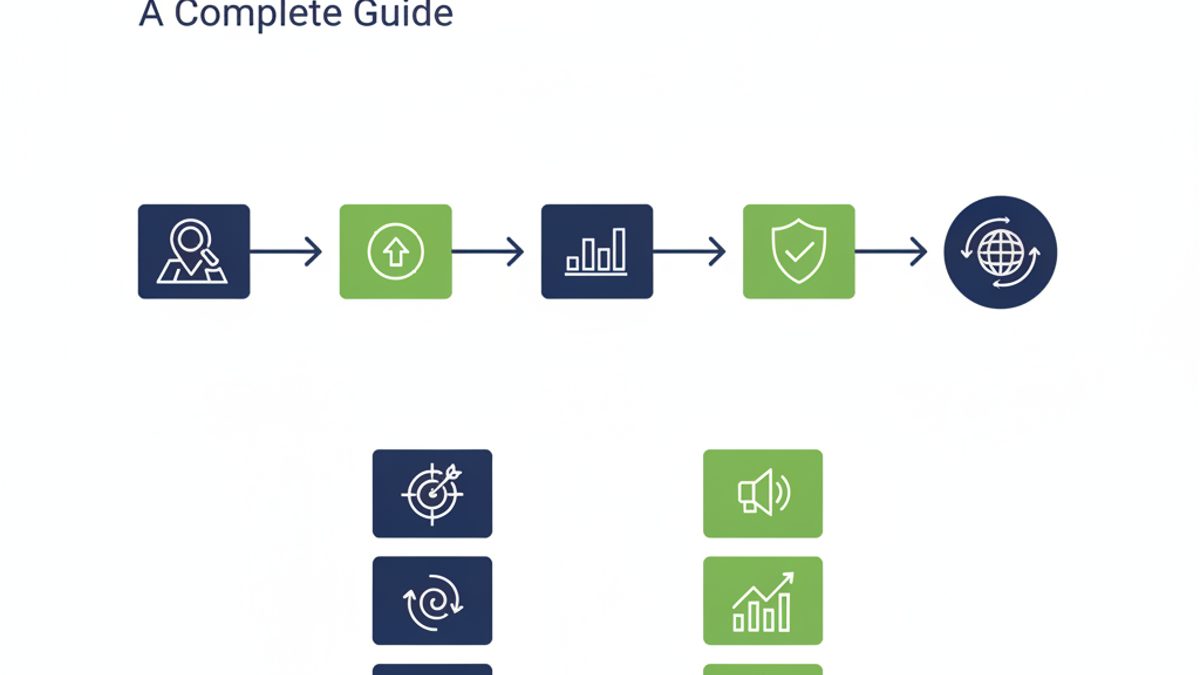
Agency rank tracking distinguishes itself from standard rank tracking primarily through its emphasis on scale, specialized reporting, and the intricate demands of local SEO across multiple client accounts. While individual users might track a handful of keywords for one website, agencies require a comprehensive system to manage hundreds or thousands of keywords for numerous clients, often spanning diverse geographical locations and business types. This multi-client, multi-location complexity necessitates advanced features like white-label reports, geo-grid tracking, and efficient client management tools.
The core differences can be broken down into several key areas:
-
Scalability and Client Management:
- Standard: Focuses on one or a few websites, with a limited number of keywords.
- Agency: Must handle potentially hundreds of clients, each with their own set of keywords, locations, and reporting needs. This requires robust user management, client segmentation, and the ability to add/remove projects efficiently.
-
Reporting Capabilities:
- Standard: Basic reports, often tool-branded.
- Agency: Requires white-label reporting with custom branding, automated scheduling, and the ability to tailor reports to specific client needs (e.g., focusing on local rankings for a dentist, or national organic for an e-commerce store).
-
Local SEO Depth:
- Standard: May offer basic city-level local tracking.
- Agency: Demands hyper-local precision, including geo-grid tracking to understand rankings from specific points on a map, Map Pack performance, and detailed Google Business Profile insights. This is critical for clients with physical locations.
-
Operational Efficiency:
- Standard: Manual data export and analysis might suffice.
- Agency: Needs automation for tasks like daily scans, report generation, and alerts. API access for integration with other agency tools (CRM, dashboards) is often crucial for streamlining workflows.
-
Competitive Analysis at Scale:
- Standard: May track a few competitors manually.
- Agency: Requires the ability to track multiple competitors for each client, across all keywords and locations, providing a comprehensive view of the competitive landscape for strategic planning.
Ultimately, agency rank tracking tools like ProMapRanker are built from the ground up to address the unique challenges and opportunities of managing SEO for a diverse client base, providing the depth, scale, and reporting flexibility that standard tools simply cannot offer.
What Key Metrics Should Agencies Track for Comprehensive SEO Performance?
For comprehensive SEO performance tracking, agencies must monitor a diverse set of metrics that go beyond simple organic keyword positions, especially for local businesses. Key metrics include organic SERP ranks for national and local keywords, local Map Pack rankings, geo-grid positions to understand hyper-local visibility, and crucial Google Business Profile (GBP) engagement data. Additionally, tracking Share of Local Voice (SoLV) or Average Rank Position (ARP) provides a holistic view of overall market dominance and client visibility within their service areas.
Here's a breakdown of the essential metrics:
-
Organic SERP Ranks (National & Local):
- Definition: The position of a client's website in the traditional organic search results for specific keywords.
- Why it matters: Indicates overall website authority and relevance. Tracking both national and localized organic keywords (e.g., "best personal injury lawyer" vs. "personal injury lawyer New York City") provides a complete picture.
- Actionable Insight: Significant drops can signal algorithm penalties or content decay, while steady improvements validate content and link-building efforts.
-
Local Map Pack Ranks:
- Definition: The position of a client's Google Business Profile listing within the local Map Pack (the top 3-4 business listings displayed prominently in local searches).
- Why it matters: The Map Pack is often the first point of contact for local searchers, driving immediate calls, directions, and website visits. Ranking in the top 3 is critical for local businesses.
- Actionable Insight: Low Map Pack rankings indicate a need for focused local SEO, including GBP optimization, review management, and local citation building. Learn more about what the Google Map Pack is.
-
Geo-Grid Rankings (Heatmap):
- Definition: A visual representation (heatmap) of a business's local ranking performance across a specific geographical grid (e.g., a 5x5 grid at 0.5-mile intervals around the business).
- Why it matters: Google's local search results are highly proximity-dependent. A business might rank #1 from its storefront but #15 just two miles away. Geo-grid tracking reveals these crucial variations, showing where a business truly dominates locally and where it falls short.
- Actionable Insight: Identifies specific areas within a service radius where local SEO efforts need to be intensified. ProMapRanker specializes in providing these granular geo-grid insights.
-
Share of Local Voice (SoLV) / Average Rank Position (ARP):
- Definition: SoLV measures the percentage of local search visibility a business holds compared to its competitors for a set of keywords. ARP provides an average ranking position across multiple keywords, often weighted by search volume.
- Why it matters: These metrics offer a single, overarching score of local market dominance, making it easier for clients to grasp their overall competitive standing.
- Actionable Insight: A rising SoLV or improving ARP indicates that the client is gaining ground against competitors across their target local keywords.
-
Google Business Profile (GBP) Performance Metrics:
- Definition: Key engagement metrics directly from GBP Insights, including views (Search & Maps), website clicks, direction requests, and phone calls.
- Why it matters: These are direct indicators of how well the GBP listing is attracting customer interaction and driving business.
- Actionable Insight: Low direction requests might suggest inaccurate address data or poor Map Pack visibility. Low calls could point to outdated phone numbers or a lack of compelling reviews. Agencies can conduct a free GBP audit to identify issues.
-
Competitor Tracking:
- Definition: Monitoring the organic, Map Pack, and geo-grid rankings of a client's top competitors for the same target keywords.
- Why it matters: Understanding competitor performance provides context for client rankings and reveals competitive advantages or disadvantages.
- Actionable Insight: If a competitor suddenly jumps in rankings, it's a cue to investigate their recent SEO activities.
By tracking these metrics comprehensively, agencies can provide clients with a holistic view of their SEO performance, clearly link efforts to outcomes, and make data-driven decisions that propel businesses forward.
What Are the Core Features of an Ideal Agency Rank Tracking Tool?
An ideal agency rank tracking tool must offer a robust set of features designed for scalability, precision, and client reporting, making it indispensable for managing multiple SEO campaigns. Key capabilities include highly accurate and frequent geo-grid tracking, comprehensive Google Business Profile (GBP) auditing, customizable white-label reports, and advanced competitive analysis. Furthermore, seamless user management, API access for integration, and AI-driven insights are crucial for maximizing efficiency and delivering superior client results.
Here are the essential features to look for:
-
Hyper-Local Geo-Grid Tracking:
- Description: The ability to track local rankings from specific points on a map, typically in a grid format (e.g., a 5x5 grid at 0.5, 1, or 5-mile intervals). This reveals true local visibility beyond a single city-level rank.
- Why it's crucial: Google's local algorithm is highly sensitive to proximity. A business might rank #1 from its exact location but drop significantly just a few blocks away. Geo-grid heatmaps clearly illustrate these fluctuations.
-
Daily Rank Tracking Frequency & Accuracy:
- Description: Automatic daily scans for all keywords across various search engines (Google, Bing, Yahoo) and device types (desktop, mobile).
- Why it's crucial: SEO is dynamic. Daily updates catch algorithm shifts, competitor movements, and the immediate impact of optimization efforts, ensuring data is always fresh and actionable.
-
Google Business Profile (GBP) Integration & Audit:
- Description: Direct integration with GBP to pull insights (views, calls, directions) and provide an automated audit of the listing for optimization opportunities (e.g., completeness, review sentiment, photo quality).
- Why it's crucial: GBP is the cornerstone of local SEO. A tool that helps manage and optimize this critical profile saves agencies immense time and directly impacts local visibility. ProMapRanker offers powerful GBP auditing capabilities.
-
White-Label Reporting:
- Description: The ability to fully customize reports with an agency's branding (logo, colors) and remove any mention of the rank tracking software.
- Why it's crucial: Essential for professional client communication. White-label reports present a unified brand experience, reinforcing the agency's expertise and value.
-
Scalability & User Management:
- Description: Support for an unlimited number of clients, projects, and keywords. Robust user management features for team members and client portals with varying access levels.
- Why it's crucial: Agencies grow. The tool must scale with client acquisition, allowing for efficient management of large portfolios without performance degradation.
-
Competitive Analysis:
- Description: Features to track competitor rankings for the same keywords, compare performance side-by-side, and identify competitive advantages or weaknesses.
- Why it's crucial: Provides context for client performance and uncovers strategic opportunities to outrank rivals.
-
AI-Driven Insights & Forecasting:
- Description: Utilizes artificial intelligence to identify trends, predict future ranking movements, and suggest actionable optimization strategies based on performance data.
- Why it's crucial: Moves beyond raw data to provide proactive recommendations, helping agencies stay ahead of the curve and deliver more intelligent strategies. ProMapRanker leverages AI for advanced insights.
-
API Access & Integrations:
- Description: An API (Application Programming Interface) to integrate rank tracking data with other agency tools (e.g., custom dashboards, CRM systems, Google Analytics).
- Why it's crucial: Streamlines workflows, automates data flow, and creates a centralized hub for all client performance data.
-
Alerts & Notifications:
- Description: Customizable alerts for significant rank changes (e.g., a keyword dropping out of the top 10) or other critical performance shifts.
- Why it's crucial: Allows agencies to react quickly to issues or capitalize on sudden opportunities, maintaining proactive client management.
Choosing a tool that encompasses these features ensures that an agency can deliver comprehensive, accurate, and actionable rank tracking data to its clients, reinforcing its position as a trusted SEO partner.
How to Choose the Best Rank Tracking Software for Your Agency?
Choosing the best rank tracking software for your agency involves a careful evaluation of your specific client needs, budget, and the tool's core capabilities, particularly its local SEO features and reporting flexibility. Prioritize tools that offer robust geo-grid tracking, comprehensive Google Business Profile audits, and fully customizable white-label reports to ensure accuracy, scalability, and professional client communication. Consider the tool's pricing model, ease of use, and support quality to ensure it aligns with your agency's operational workflow and long-term growth objectives.
Here’s a structured approach to making an informed decision:
-
Assess Your Agency's Needs:
- Client Portfolio: Do you primarily serve local businesses, national brands, or a mix? This dictates the importance of geo-grid and local SEO features.
- Volume: How many clients, keywords, and locations do you need to track? Ensure the tool can scale without prohibitive costs.
- Reporting Requirements: Do you need extensive white-labeling, automated scheduling, and customizable report templates?
- Team Size: How many users will need access? Look for robust user management.
-
Prioritize Core Features (as detailed above):
- Geo-Grid Tracking: For local agencies, this is non-negotiable. Ensure it offers granular scans (e.g., 5x5 grid, configurable distances).
- Local SEO Suite: Look for GBP audit capabilities, Map Pack tracking, and local citation monitoring.
- White-Label Reports: Essential for professional client communication.
- Accuracy & Frequency: Daily, reliable data is paramount.
- Scalability: Flexible plans that grow with your agency.
- AI Insights: Tools that offer predictive analytics and actionable recommendations can be a significant differentiator.
-
Evaluate Pricing Models:
- Compare per-keyword, per-project, or tiered pricing. Some tools might seem cheaper per keyword but have hidden costs for extra locations or features.
- Consider the total cost for your expected usage. A tool like ProMapRanker offers competitive pricing designed for agencies, focusing on comprehensive features without excessive add-ons.
-
Test Usability & Interface:
- Sign up for free trials. A powerful tool is only effective if your team can use it efficiently.
- Look for intuitive dashboards, easy project setup, and clear data visualizations.
-
Check Support & Resources:
- Reliable customer support is crucial when you encounter issues or have questions.
- Look for comprehensive knowledge bases, tutorials, and responsive support channels.
-
Consider Integrations & API:
- If you use other tools (CRM, analytics dashboards), check for native integrations or robust API access to streamline your workflow.
Here's a simplified comparison table to illustrate key differentiators:
| Feature | Basic Rank Tracker (e.g., some entry-level tools) | Advanced Agency Rank Tracker (e.g., ProMapRanker) |
|---|---|---|
| Geo-Grid Tracking | Limited or none | Comprehensive (e.g., 5x5 grid, custom radius) |
| GBP Audit & Insights | Basic or none | Deep integration, automated audits |
| White-Label Reports | Often branded or limited customization | Full customization, agency branding |
| Scalability (Clients/Keywords) | Limited plans, higher per-unit cost | Designed for unlimited clients/keywords, cost-effective |
| AI Insights | Rarely available | Predictive analytics, actionable recommendations |
| API Access | Limited or no API | Robust API for seamless integration |
| Focus | Individual user, general SEO | Multi-client, local SEO specialist, agency efficiency |
By thoroughly evaluating these aspects, agencies can select a rank tracking solution that not only meets their current needs but also supports their growth and enhances their service delivery.
Step-by-Step: Implementing Agency Rank Tracking for a New Client
Implementing agency rank tracking for a new client requires a structured approach to ensure accurate baseline data, effective monitoring, and impactful reporting. Begin by thoroughly understanding the client's business and goals, then proceed to comprehensive keyword research, competitor identification, and precise tool setup. Finally, establish a routine for ongoing monitoring, analysis, and transparent client reporting to continuously demonstrate value and inform strategic adjustments.
Here’s a practical, step-by-step guide:
-
Client Onboarding & Goal Setting:
- Understand the Business: Deep dive into the client's services, target audience, unique selling propositions, and geographical service area.
- Define KPIs & Goals: Work with the client to establish clear, measurable objectives. Are they aiming for top 3 Map Pack rankings, specific organic positions, or increased GBP calls?
- Access Credentials: Secure necessary access to Google Business Profile, Google Analytics, and Google Search Console.
-
Comprehensive Keyword Research:
- Brainstorm & Research: Use tools like Google Keyword Planner, Semrush, Ahrefs, and client input to identify relevant keywords.
- Prioritize Local Intent: Focus heavily on keywords with local modifiers (e.g., "plumber [city name]", "best coffee shop near me").
- Categorize: Group keywords by intent (informational, navigational, transactional) and importance.
-
Competitor Identification:
- Ask the Client: Who do they perceive as their main competitors?
- Perform SERP Analysis: For key target keywords, identify the businesses consistently ranking in the Map Pack and organic results.
- Select 3-5 Top Competitors: These will be tracked alongside your client to provide crucial context.
-
Tool Setup (e.g., ProMapRanker):
- Create a New Project: Set up a dedicated project for the new client within your agency rank tracking software.
- Add Keywords: Input all identified keywords, specifying target locations (city, state, zip code) and device types (desktop, mobile).
- Configure Geo-Grid Scans: For local clients, set up geo-grid scans with an appropriate radius and grid density (e.g., a 5x5 grid at 0.5-mile intervals for a local restaurant, or a 7x7 grid at 5-mile intervals for a regional service provider).
- Integrate GBP: Link the client's Google Business Profile for insights and auditing.
- Add Competitors: Input competitor websites and GBP profiles for comparative tracking.
-
Establish Baseline Reporting:
- Run Initial Scans: Allow the tool to perform its first comprehensive rank scans.
- Generate Baseline Report: Create an initial report showing current rankings for all keywords, Map Pack positions, geo-grid heatmap, and GBP performance. This serves as the starting point for measuring progress.
-
Ongoing Monitoring & Analysis:
- Daily Checks: Review daily rank changes for significant movements.
- Weekly/Bi-Weekly Deep Dives: Analyze trends, identify opportunities, and spot potential issues (e.g., a sudden drop in rankings for a core keyword).
- Correlate with Actions: Link ranking changes to specific SEO activities performed (e.g., "After optimizing the service page, keyword X jumped 5 spots").
-
Client Reporting & Strategy Adjustment:
- Schedule Automated Reports: Set up white-label reports to be sent to the client weekly or monthly, highlighting progress and key insights.
- Interpret Data: Don't just present numbers; explain what the data means, why certain changes occurred, and how it impacts their business.
- Adjust Strategy: Use the insights gained from rank tracking to refine SEO tactics, focusing on areas with the most potential for improvement.
By following these steps, agencies can efficiently onboard new clients, provide measurable results, and continuously optimize their SEO strategies based on reliable data.
Maximizing Client Value Through Effective Rank Tracking Reports
Effective rank tracking reports are more than just data dumps; they are powerful tools for communicating value, building trust, and demonstrating the tangible impact of SEO efforts. Agencies maximize client value by transforming raw ranking data into actionable insights, presenting it in a clear, visually engaging, and white-label format that directly addresses client business goals. This approach ensures clients understand not just *what* changed, but *why* it matters to their bottom line.
Here’s how to maximize client value:
-
Focus on Business Outcomes, Not Just Ranks:
- Shift Perspective: Instead of saying "Your keyword 'best dentist' went from #7 to #4," explain, "Moving 'best dentist' into the top 5 means your business is now visible to an estimated X% more potential patients, leading to Y additional calls and Z website visits, directly impacting your new patient acquisition goals."
- Connect the Dots: Link ranking improvements to increased traffic, leads, and sales. Use Google Analytics and GBP Insights to support these claims.
-
Utilize Visualizations & Heatmaps:
- Clarity: Clients are often busy and not SEO experts. Visuals like trend graphs, geo-grid heatmaps, and comparison charts make complex data easy to digest.
- Impact: A geo-grid heatmap from ProMapRanker powerfully illustrates local dominance (or lack thereof) in a way that a list of numbers cannot. Seeing a vibrant green grid around their business is far more impactful.
-
Provide Actionable Insights & Recommendations:
- Beyond the "What": Don't just report a drop; explain *why* it might have happened (e.g., competitor activity, algorithm update, technical issue) and *what* the agency plans to do about it.
- Forward-Looking: Each report should include a brief overview of the upcoming strategy based on the latest performance data.
-
Automate & White-Label for Professionalism:
- Consistency: Automated, scheduled reports ensure clients receive updates regularly without manual effort from your team.
- Branding: White-label reports, customized with your agency's logo and colors, reinforce your professional image and expertise. This is a core feature of ProMapRanker.
-
Offer Context and Competitive Benchmarking:
- "How are we doing compared to others?": Clients always want to know. Include competitor ranking data to provide context for their performance.
- Share of Local Voice (
See where you really rank - block by block
ProMapRanker scans Google Maps across a grid of your service area. Simple monthly plans from $19, white-label on every plan.
Start freeKeep reading
 philippines best loan apps
Philippines Best Loan Apps in 2026
The Philippines best loan apps for 2026, compared on SEC or BSP registration, loan limits, monthly rates and fees, from GCash GLoan and Maya to Tala and BillEase.
Read → best secret management tools enterprise devsecops
Best Secret Management Tools for Enterprise DevSecOps in 2026
The best secret management tools for enterprise DevSecOps in 2026, compared on pricing, free tiers, rotation, dynamic secrets and self-hosting, from Vault to Infisical.
Read → best png to svg free tool
Best PNG to SVG Free Tool in 2026
Looking for the best PNG to SVG free tool? We compared 7 free converters in 2026, from Inkscape and SVGcode to Adobe Express, on tracing quality, limits and privacy.
Read →