 ProMapRanker
Best AEM Alternatives in 2026

Key takeaways
- WordPress and Drupal remain the most practical replacements for teams that want a full website platform without enterprise pricing.
- Contentful, Sanity, Strapi, Storyblok and Contentstack suit teams building headless sites with a separate front end.
- Sitecore and Magnolia are the closest like-for-like enterprise replacements, but both use quote-based pricing.
- The real cost driver is rarely the licence alone, since hosting, implementation and front-end work often cost more.
Quick comparison
| Pick | Great for | Pricing starts at | Free tier | |
|---|---|---|---|---|
 WordPress | Full websites on a budget | Free | Yes | Visit |
 Drupal | Complex sites with strict access control | Free | Yes | Visit |
 Contentful | Enterprise headless content | $300 per month | Yes | Visit |
 Sanity | Developer-led structured content | $15 per seat per month | Yes | Visit |
 Strapi | Self-hosted headless CMS | Free | Yes | Visit |
 Storyblok | Marketing teams that want visual editing | $99 per month | Yes | Visit |
 Contentstack | Enterprise governance at scale | See website | Free trial | Visit |
 Sitecore | Large enterprise digital experience | See website | Free trial | Visit |
 Magnolia | Java-based enterprise CMS | See website | Free trial | Visit |
The best AEM alternatives
Adobe Experience Manager, often called AEM, is a large enterprise platform that combines content management, digital assets and personalisation. The tools below replace different parts of that job, so start by deciding which part matters most to you: a complete website, a headless content API, or an enterprise suite.
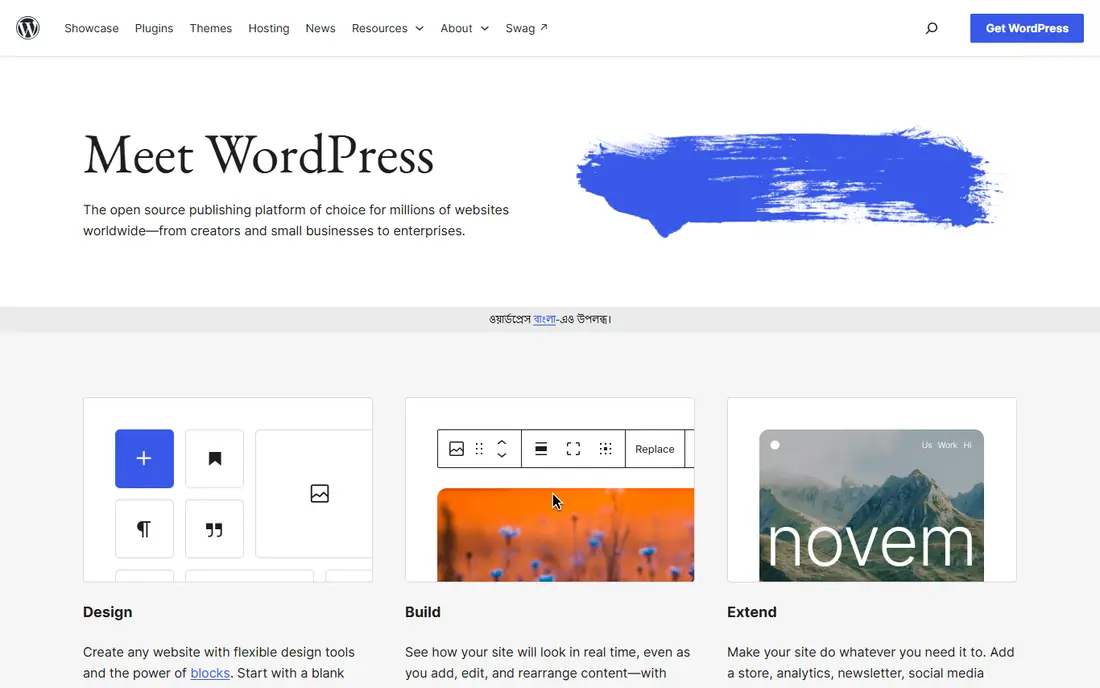
WordPress is the most obvious AEM alternative for a standard marketing site, blog or small business presence. The software itself is free and open source, and the block editor now covers much of the page-building work that once needed a developer. Thousands of plugins add forms, search optimisation, bookings and commerce, and almost any web agency can support it.
The honest catch is maintenance. Core, theme and plugin updates arrive often, and a neglected site becomes a security risk. Budget for solid managed hosting and someone who keeps the stack patched, or the free software starts costing time instead. For teams that accept that trade, WordPress remains the fastest route from brief to live site.
- Huge theme and plugin library
- Easy hiring
- Fast to launch
- Plugin upkeep is constant
- Performance depends heavily on hosting and theme quality
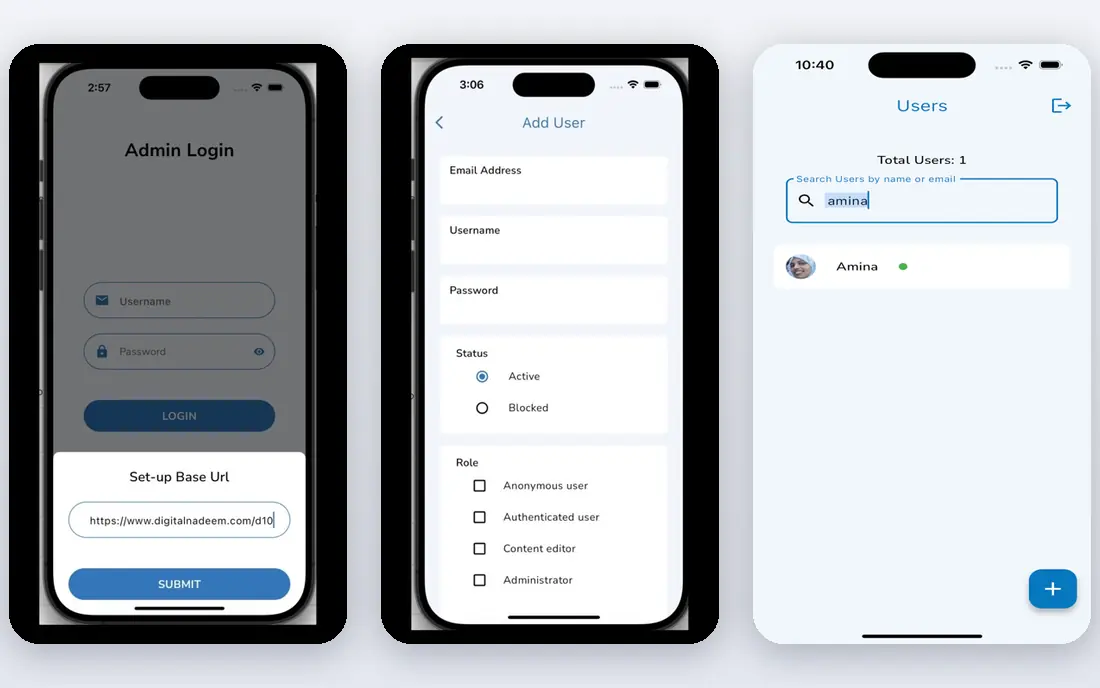
Drupal suits organisations that outgrow a simple page builder but do not want an enterprise contract. Its content types, taxonomies and role-based permissions handle complex sites with many editors, sections and access rules, which is close to the governance work AEM buyers often need. Multilingual support and structured content are strengths, not add-ons.
The trade is skill. Drupal rewards teams with developer capacity and punishes teams that expect marketers to build everything alone. Design and theming take longer than in WordPress, and finding experienced Drupal developers can take longer too. If your site is content-heavy, permission-heavy and long-lived, that investment pays off.
- Strong content modelling and permissions
- Handles large, structured sites well
- Open source
- Needs developer skill
- Smaller talent pool than WordPress
- Themes take longer to build
Contentful is a headless CMS, which means it stores and delivers content through APIs while your team builds the website or app separately. That split suits companies publishing the same content to a website, a mobile app and other channels. Content modelling is clear, the marketplace adds integrations, and the hosted service removes server work.
Pricing is the main warning. A free plan exists for small projects, but the Lite plan starts at $300 per month, with no mid-priced tier in between, and enterprise pricing is custom. Teams that hit record, locale or environment limits can face a sharp bill increase. Price it against your expected API calls and locales before migrating.
- Mature APIs and app marketplace
- Strong content modelling
- Reliable hosted service
- Steep jump from free to paid
- Environments and add-ons can raise the bill
Sanity also takes a headless approach, but it treats content as structured data and lets developers shape the editing studio in code. Real-time collaboration lets editors work together without overwriting each other, and content can feed many front ends from one source. Growth pricing at $15 per seat per month makes it far cheaper than Contentful for small editorial teams.
The catch is that Sanity gives you building blocks rather than a finished product. A good studio takes developer time to design, and the editor experience is only as good as that build. Teams with engineering support get a flexible system they can shape exactly. Teams without it may prefer a more finished visual tool.
- Content treated as structured data
- Real-time collaboration
- Highly customisable studio
- Needs engineering time to set up well
- Editors depend on the studio build
Strapi is the leading open-source headless CMS, and its Community Edition is free to self-host with no limits on entries or API calls. You define content types in a visual builder, get REST and GraphQL APIs out of the box, and keep your data on your own infrastructure. That control appeals to teams with privacy, residency or budget reasons to avoid a hosted service.
Running it yourself means owning updates, backups and scaling, and the admin panel is functional rather than beautiful. Strapi Cloud removes the server work from $35 per project per month on recent pricing guides, though prices vary by tier, so check the current page. For developer teams that want headless without a large subscription, Strapi is a strong default.
- Free Community Edition
- REST and GraphQL APIs
- Full control over data and hosting
- Self-hosting adds upkeep
- Editor experience is plainer than visual-first tools
Storyblok bridges the gap between headless flexibility and marketer-friendly editing. Its visual editor shows changes in a live preview, and content is built from reusable components, so marketing teams can publish pages without waiting on developers. That is the closest headless answer to the page-building experience many AEM users expect.
Pricing starts with a free Community plan for one user, and Growth at $99 per month covers five seats on recent listings. Larger teams pay per extra seat, and governance features sit on higher tiers. If your content is mostly pages and marketing sections, Storyblok fits well. If it is mainly structured data for apps, Sanity or Strapi may fit better.
- Visual editor with live preview
- Component-based content
- Friendly for marketers
- Per-seat costs add up
- Weaker for content that is not page-based
Contentstack is an enterprise headless platform aimed at companies running many brands, regions or channels from one system. Role-based permissions, workflows, automation and content governance are core features rather than extras, which makes it a natural AEM replacement for large organisations. It also offers AI-assisted tooling and marketplace extensions.
Pricing is not published as a simple list, so budget work starts with a sales conversation, and implementation deserves a proper plan. Small teams will find it more platform than they need, and the cost will reflect that. Large teams that need governance across many sites will find the comparison with AEM much closer.
- Strong roles, workflows and automation
- Built for large multi-brand estates
- Hosted service
- Quote-based pricing
- Implementation takes planning
- Overkill for a single small site
Sitecore is the closest like-for-like swap for AEM in spirit, since both sell a full digital experience platform rather than a simple CMS. It covers content, personalisation, commerce and customer data tools, and it has a long history with large enterprises and agencies. If your AEM use is deeply tied to personalisation and multi-channel campaigns, Sitecore deserves a place on the shortlist.
The same scale brings the same costs. Pricing is quote-based, implementations are rarely quick, and large builds often need specialist partners. Treat it as an enterprise-to-enterprise move with a proper procurement process, not as a quick migration.
- Full digital experience suite
- Personalisation and commerce options
- Long enterprise track record
- Quote-based pricing
- Complex implementation
- Needs specialist partners for large builds
Magnolia is a Java-based CMS that can work as a traditional coupled system, a headless content service, or a hybrid of both. That flexibility suits organisations with Java skills that want one platform for websites, apps and other channels. Authors get visual editing, while developers keep control over templates and integrations.
Pricing is quote-based, and the ecosystem is smaller than the WordPress or Sitecore worlds, so partner and plugin choices need checking early. For Java-heavy enterprises that want a modern alternative to AEM without rebuilding everything in a new stack, Magnolia is worth evaluating.
- Flexible headless and hybrid use
- Strong for Java teams
- Visual editing for authors
- Quote-based pricing
- Smaller ecosystem than WordPress or Sitecore
How we picked these
We compared official product pages, pricing pages and documentation for platforms that genuinely replace AEM work, whether as a full website CMS, a headless content service or an enterprise experience suite. We included both open-source and commercial options, and we favoured tools with current releases, active support and clear pricing or a clear trial route. Where a vendor does not publish a price, we say so rather than guessing a figure.
Choosing between headless and traditional CMS options
The biggest decision is not which brand to pick, but which shape of CMS fits your team. A traditional CMS such as WordPress or Drupal gives you pages, themes and publishing in one product, so a small team can launch quickly. A headless CMS such as Contentful, Sanity or Strapi gives you content through an API, so developers build the front end separately and the same content can feed many channels.
Headless suits companies with front-end developers and more than one channel to feed. Traditional suits teams that want marketers to publish pages with little developer help. A hybrid option such as Magnolia or Storyblok can soften that choice, since both pair an API with visual editing. Map your team skills and your channels first, then shortlist within that shape.
Frequently asked questions
What are the best AEM alternatives for small businesses?
WordPress is usually the best starting point, because it is free, fast to launch and easy to staff. Drupal fits when the site needs complex permissions or structured content. Headless tools only make sense for a small business when a developer is already building a custom front end.
Are there free Adobe AEM alternatives?
Yes. WordPress, Drupal and the self-hosted Community Edition of Strapi are all free in licence terms, though hosting and upkeep still cost money. Sanity, Contentful and Storyblok also offer free plans with limits that suit prototypes and small sites.
Is Contentful a good replacement for AEM?
Contentful replaces the content-delivery side of AEM well, especially for multi-channel publishing, but it is not a page builder or a full experience suite on its own. You still need a front end, and possibly separate tools for personalisation and digital assets. Budget for that build work.
Which AEM alternative is best for enterprise teams?
Sitecore and Contentstack are the closest enterprise matches, with governance, workflows and support contracts to match. Magnolia suits Java-based enterprises. All three need a proper evaluation and a quote, so start with a pilot site rather than a full migration.
Can I migrate content from AEM to another CMS?
In most cases, yes, but it is rarely a one-click move. Content models, templates, assets and personalisation rules usually need remapping, and a migration tool or partner helps for large estates. Run a pilot with one section of content before committing to a full move.
Sources
See where you really rank - block by block
ProMapRanker scans Google Maps across a grid of your service area. Simple monthly plans from $19, white-label on every plan.
Start freeKeep reading
 zscaler alternatives
Best Zscaler Alternatives in 2026
Looking for zscaler alternatives? We compare 9 SASE and zero trust platforms on architecture, data protection, pricing, and fit for your network and team.
Read → zapier alternatives free
Best Zapier Alternatives Free in 2026
Nine automation tools for zapier alternatives free in 2026, all with genuinely free tiers, plus free plan limits, starting prices and upgrade paths explained.
Read → which platform is best for online reputation
Which Platform Is Best for Online Reputation in 2026
Wondering which platform is best for online reputation? We compare 8 review, listing, and response tools for small and multi-location businesses and agencies.
Read →