 ProMapRanker
Best Adthena Alternatives in 2026

Key takeaways
- Semrush is the broadest all-in-one replacement, covering paid and organic search, ads, and site audits in one subscription.
- SpyFu is the budget pick for competitor keyword and ad history, while Similarweb is stronger for market-level traffic estimates.
- SE Ranking and Ahrefs suit agencies and SEO-led teams that need rank tracking, backlinks, and client reporting.
- Adbeat and The Search Monitor cover narrower jobs, namely display and native ad creative and ad compliance monitoring.
Quick comparison
| Pick | Great for | Pricing starts at | Free tier | |
|---|---|---|---|---|
 Semrush | All-in-one search marketing | See website | Free trial | Visit |
 Similarweb | Market and traffic intelligence | See website | Free trial | Visit |
 SpyFu | Budget competitor PPC research | $39 per month | No | Visit |
 SE Ranking | Agency rank tracking | See website | Free trial | Visit |
 Ahrefs | Backlink and content research | $129 per month | No | Visit |
 Moz Pro | Approachable SEO research | See website | Free trial | Visit |
 Serpstat | Budget all-in-one research | See website | Free trial | Visit |
 Adbeat | Display and native ad intelligence | See website | No | Visit |
 The Search Monitor | Ad monitoring and compliance | See website | No | Visit |
The best adthena alternatives
Adthena focuses on paid search intelligence for larger advertisers, so the right replacement depends on whether you need auction insight, keyword history, traffic estimates, or a full marketing suite.
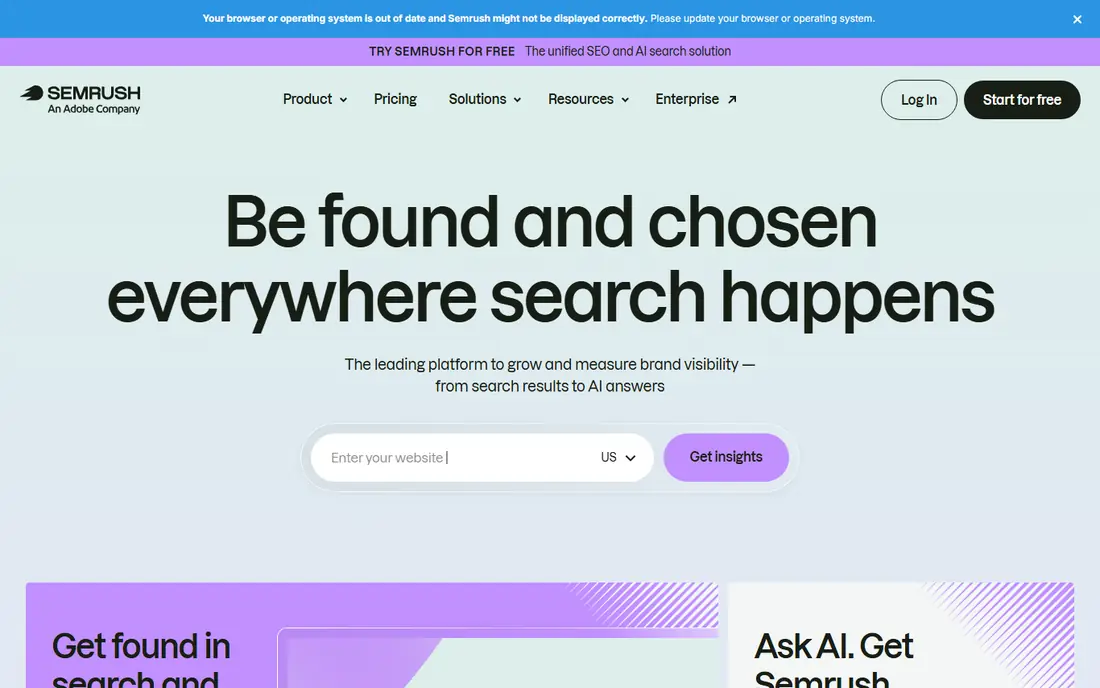
Semrush is the safest general replacement because it covers so many adjacent jobs. A PPC team can check competitor keywords, ad copy, landing pages, and keyword gaps, while an SEO colleague uses the same account for audits and backlinks. That shared view reduces the number of tools a marketing team must reconcile each month.
Breadth is also the weakness. A team that only needs paid search auction insight may pay for features it rarely opens. Start with the plan that matches your keyword and project limits, and test the advertising research workflow on your top five competitors before renewing.
- Paid and organic competitor research in one place
- Advertising research with ad copy history
- Site audits and rank tracking
- Full feature set can feel large for a small PPC-only team
- Higher tiers are needed for deeper limits
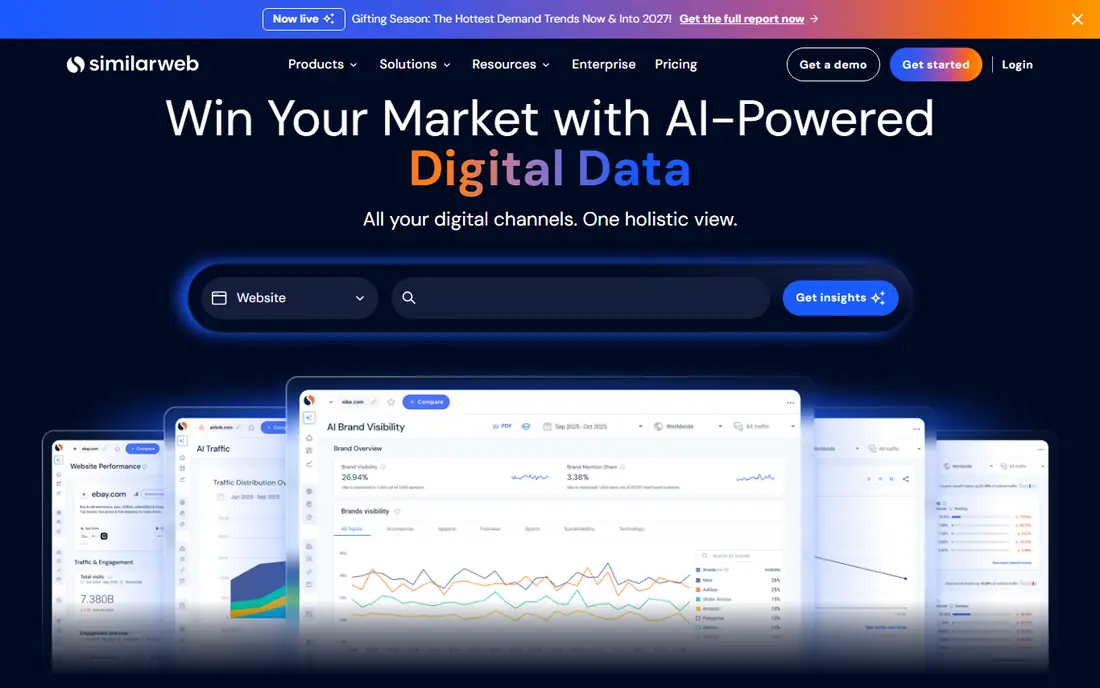
Similarweb answers a different question than Adthena: how large is a competitor overall, and where does its traffic come from? That market view helps with budgeting, pitch decks, and channel planning, especially when a competitor's paid search is only one part of its strategy. Audience and referral data add context that keyword lists alone cannot give.
Treat the numbers as estimates. They are useful for ranking competitors and spotting shifts, but they should not be quoted as exact visits or spend. Pair Similarweb with a keyword tool when you need ad-level detail.
- Traffic sources and channel mix for any domain
- Market benchmarking
- Audience and referral insight
- Traffic figures are estimates, not exact counts
- Paid search detail is lighter than a dedicated PPC tool
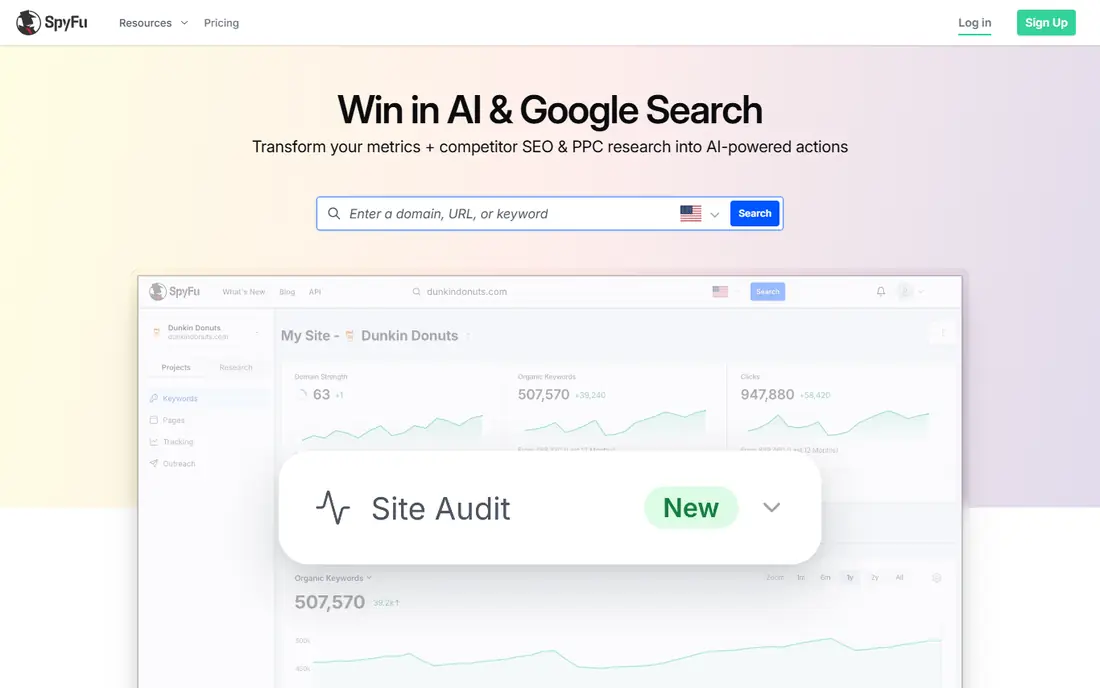
SpyFu has long been the budget answer for a simple question: what has this competitor been bidding on, and what did its ads say? Historical data helps a freelancer or small agency spot seasonal patterns and long-running winning keywords without an enterprise contract. Kombat-style comparisons make overlap and gaps easy to see.
The trade is scope. It does not match a full suite for site audits, backlink research, or content planning. For a PPC-focused team on a tight budget, that focus is a benefit, not a flaw, as long as expectations stay clear.
- Long competitor keyword and ad history
- Domain versus domain comparison
- Lower entry cost than enterprise suites
- Interface and data depth feel narrower than Semrush
- Organic and technical SEO features are lighter
SE Ranking suits agencies that need reliable rank tracking, white-label style reporting, and a sensible price for many clients. Competitor research, backlink checks, and site audits cover the daily SEO workflow, and reporting tools save time at month end. Small and mid-size agencies often find the balance of features and cost easier than an enterprise suite.
PPC teams should test the advertising research depth against their exact needs. It works for keyword and competitor checks, but a team that lives in auction data may still want SpyFu or Semrush beside it.
- Accurate rank tracking and client reporting
- Competitor research and audits
- Flexible agency workflows
- Paid search intelligence is less deep than Adthena
- Pricing varies by limits and billing period
Ahrefs is the strongest pick when backlinks and content gaps drive the strategy. Site Explorer shows which pages earn links, which keywords a competitor ranks for, and where content opportunities sit. That depth helps a team plan pages that can win both organic and paid attention over time.
It is not a like-for-like Adthena replacement for auction intelligence. Buy Ahrefs for link and content work, and keep a PPC-focused tool for ad copy history and auction context if paid search is the main job.
- Very large backlink index
- Strong content gap and keyword tools
- Clear site audit reports
- Paid search features are secondary to organic research
- Entry cost is high for a PPC-only buyer
Moz Pro is easy to recommend to a team that is still building its search skills. Keyword Explorer, rank tracking, and site crawl reports are presented in plain language, and the learning material helps new marketers understand why a metric matters. Domain authority gives a quick shorthand for comparing sites, even if it is not a Google metric.
Paid search teams will find the competitor ad detail thinner than SpyFu or Semrush. Moz works best as an SEO foundation with PPC checks on the side, rather than as the main auction intelligence tool.
- Clear keyword and rank tools
- Domain authority metrics are widely recognised
- Helpful learning resources
- Competitor PPC depth is limited
- Larger teams may outgrow project limits
Serpstat gives smaller teams a broad toolkit without the top-tier price of the largest suites. Keyword research, competitor analysis, backlink checks, site audits, and rank tracking sit in one account, which simplifies billing and training. Clustering is useful for grouping keywords into content themes.
Check coverage for your specific market before committing, since data depth is not uniform everywhere. Run your top competitors and keywords through a trial and compare the results with a known source before moving reporting over.
- Keyword, backlink, audit, and competitor tools in one lower-cost suite
- Clustering helps content planning
- Data depth varies by market
- Interface takes time to learn
Adbeat covers the ad formats that search tools miss. If competitors run display or native campaigns, Adbeat shows placements, publishers, and creative patterns that help a media buyer plan and brief creative work. That view is valuable for brands where display drives awareness before search captures demand.
Do not buy it expecting Adthena-style search auction data. It complements a search tool rather than replacing one, and its value depends on how much display and native spend your market actually has.
- Publisher and placement insight for display and native ads
- Creative trends over time
- Competitor landing page views
- Not a paid search auction tool
- Pricing suits teams with a real display budget
The Search Monitor is built for agencies and regulated brands that must watch ads closely. It tracks competitor ads, landing pages, and brand use, and it flags trademark or compliance issues that a general SEO suite might miss. For finance, healthcare, and franchise clients, that monitoring can matter more than another keyword list.
General marketing teams may find it narrow. Buy it when ad compliance, affiliate monitoring, or detailed search ad tracking is the job, and pair it with a broader suite for organic and content work.
- Deep ad monitoring across search engines
- Brand and trademark compliance checks
- Agency reporting
- Less suited to broad SEO research
- Pricing is quote-based for many buyers
How we picked these
We compared official product pages, pricing pages, and feature documentation for live search intelligence tools, focusing on paid search, competitor ads, traffic estimates, and reporting. We excluded Adthena itself from the list and favoured tools with a clear, current US-facing product. We grouped picks by job, from budget PPC research to market intelligence and compliance, and we used See website where pricing was quote-based or varied by plan.
How to choose a search intelligence tool
Start with the question you must answer each week. If it is which keywords and ads a competitor is running, SpyFu or Semrush will serve you fastest. If it is how big a market is and where traffic comes from, Similarweb is the better first tool. If it is whether ads break brand rules, The Search Monitor is the specialist.
Next, test on your own competitors, not on demo data. Check five domains you know well, compare ad copy and keyword lists with what you see in live search results, and note where data looks thin or dated. A tool that is strong in one country or industry can be weak in another.
Finally, check reporting and seat costs. Agency reporting, historical data, and extra users often sit on higher tiers, and those costs matter more over a year than the entry price. Pick the tier that covers your real project and keyword limits, and review usage after the first quarter.
Frequently asked questions
What does Adthena do?
Adthena provides paid search intelligence, including competitor ad activity, market share views, and brand protection features for larger advertisers. Teams use it to understand auction competition and to spot shifts in competitor strategy.
Can Semrush fully replace Adthena?
For many teams, yes, especially when SEO, PPC, and content work share one tool. Enterprise PPC teams that rely on Adthena-specific auction modelling should test Semrush advertising research against their exact reports before switching.
Which alternative is cheapest for competitor PPC research?
SpyFu is the lowest-cost dedicated option on this list for competitor keyword and ad history. Check its current plan limits, since historical depth and tracked domains vary by tier.
Are Similarweb traffic numbers exact?
No, they are estimates modelled from several data sources. They are useful for benchmarking and trend spotting, but they should not be presented as exact visit or revenue figures.
Do I need more than one tool?
Many teams do. A common setup pairs a broad suite such as Semrush or SE Ranking with a specialist such as Similarweb for market size or The Search Monitor for compliance, depending on the work that matters most.
Sources
See where you really rank - block by block
ProMapRanker scans Google Maps across a grid of your service area. Simple monthly plans from $19, white-label on every plan.
Start freeKeep reading
 zoho inventory alternatives
6 Alternatives to Zoho Inventory, Compared on Price and Fit
Zoho Inventory alternatives: 6 tools compared on price, free plans and fit. Katana leads the list for manufacturers. Fit and flaws are laid out for each entry.
Read → zoho crm alternatives
Best Zoho CRM Alternatives (2026)
Need Zoho CRM alternatives? We compare 7 tools on cost, free access and who each suits. Every pick gets a straight assessment. Built for quick decisions.
Read → zelle alternatives
Best Zelle Alternatives in 2026
Compare the best Zelle alternatives for sending money to friends, paying sellers and moving funds abroad, with honest notes on fees, speed and safety in 2026.
Read →