 ProMapRanker
Acquia Alternatives in 2026


Managed Drupal and WordPress hosting · Pricing starts at: $55 per month
Key takeaways
- Pantheon and Platform.sh are the closest managed hosting replacements for Drupal teams leaving Acquia.
- WP Engine, WordPress VIP, and Kinsta suit teams that want to move content work to WordPress instead.
- Adobe Experience Manager, Optimizely, and Sitecore suit large enterprises that need a full digital experience platform.
- Contentful suits teams that want headless content delivery separate from hosting and templates.
- No single replacement matches every Acquia feature, so teams should rank hosting, content, personalization, and support before choosing.
Quick comparison
| Pick | Great for | Pricing starts at | Free tier | |
|---|---|---|---|---|
| Pantheon | Managed Drupal and WordPress hosting | $55 per month | Free trial | Visit |
 Platform.sh | Multi-framework cloud hosting | See website | Free trial | Visit |
 WP Engine | Managed WordPress at scale | See website | Free trial | Visit |
 WordPress VIP | Enterprise WordPress hosting | See website | No | Visit |
 Adobe Experience Manager | Enterprise digital experience platform | See website | No | Visit |
 Optimizely | Content, commerce, and experimentation | See website | Free trial | Visit |
 Sitecore | Enterprise content and personalization | See website | No | Visit |
 Contentful | Headless content platform | See website | Yes | Visit |
 Kinsta | Premium managed WordPress hosting | $35 per month | No | Visit |
The best acquia alternatives
Acquia combines Drupal hosting with content, personalization, and marketing tools. That breadth means the best replacement depends on which part matters most. Some teams need Drupal hosting only, while others need a full enterprise platform or a move to WordPress.
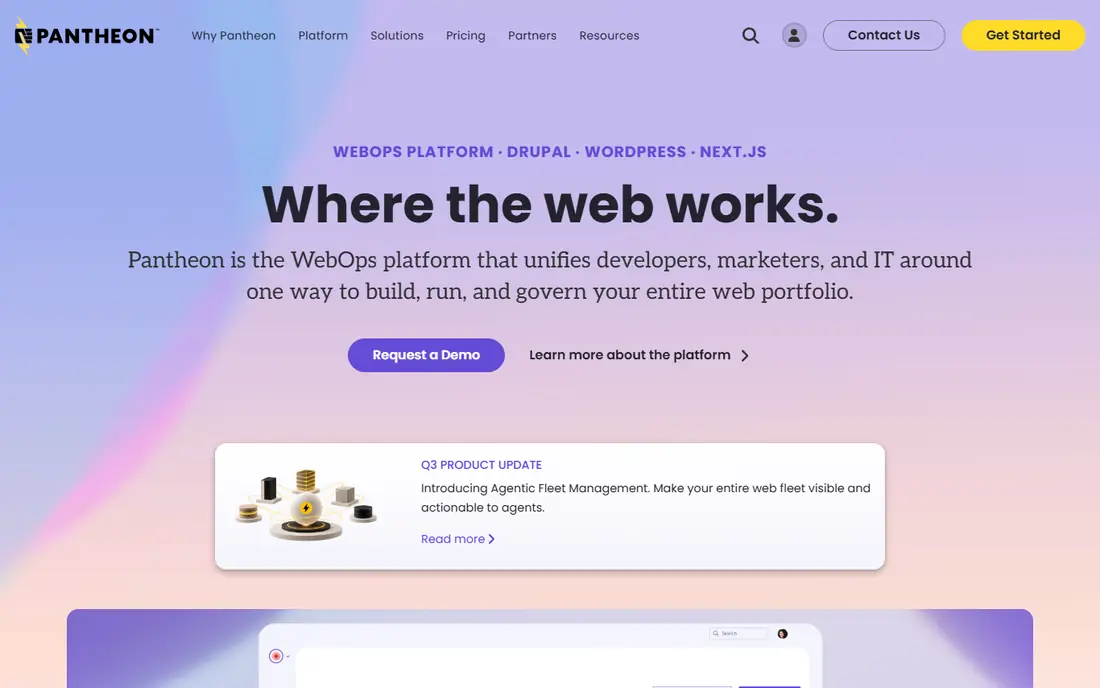
Pantheon is often the first stop for Drupal teams because it was built around the same workflow Acquia users know. Developers get separate environments, version control integration, and a dashboard for managing many sites. Automated backups and updates reduce the routine work that otherwise falls on an internal team.
The main watch point is pricing at production scale. The entry plan suits a small site, but busy sites need performance plans that cost more. Teams should test traffic, caching, and search needs on a staging site before they judge the monthly cost.
- Strong Drupal and WordPress workflows
- Dev, test, and live environments
- Automated updates and backups
- Costs rise with performance tiers
- Enterprise features need higher plans
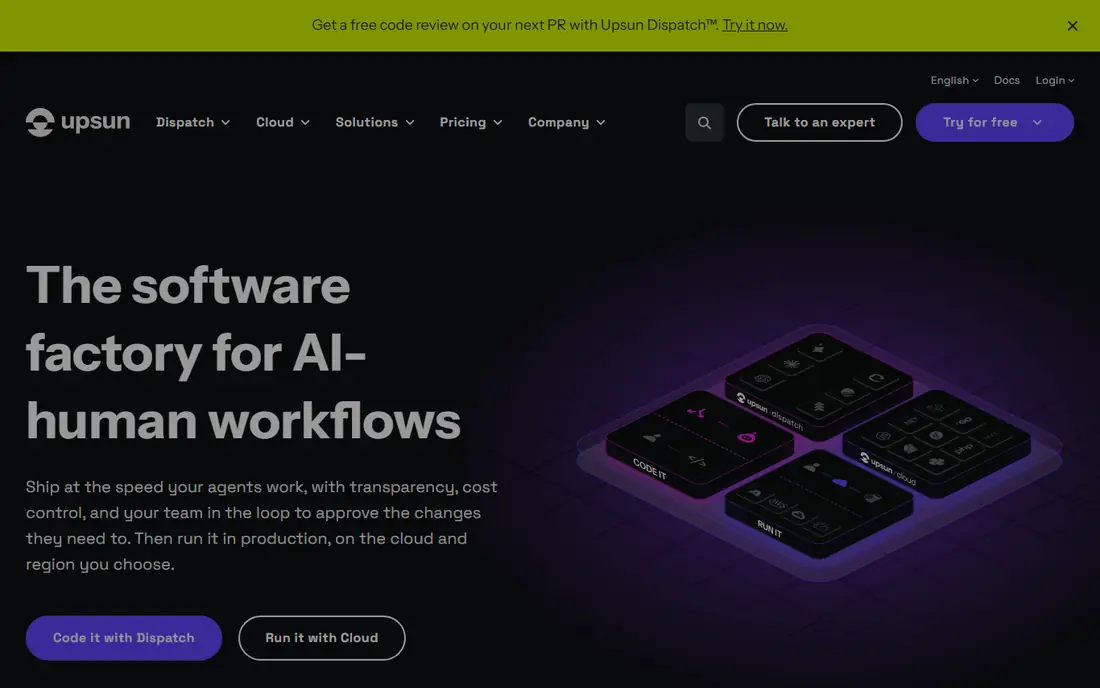
Platform.sh, now closely tied to Upsun, hosts Drupal, WordPress, Symfony, and many other stacks on the same platform. Teams define services and routes in code, which makes environments repeatable and reviewable. A preview environment for each branch helps editors and developers check changes before release.
That flexibility has a learning curve. Small teams without DevOps experience may find the setup heavier than a single-click host. It fits best when a company runs several different applications and wants one hosting model for all of them.
- Supports many languages and frameworks
- Infrastructure as code
- Preview environment for every branch
- Configuration takes developer time
- Pricing depends on resources and regions

WP Engine is a managed WordPress host with staging, automated migration, and support staff who work with WordPress every day. Agencies like the transferable installs, which let a site move from agency to client without a fresh migration. Performance tooling and a global CDN help busy content sites stay fast.
The clear limit is platform scope. A Drupal site cannot simply move to WP Engine without a content migration to WordPress. Teams that accept that move gain a simpler hosting model, but they should budget time for content, redirects, and template work.
- WordPress-specific performance and security
- Staging and transfer tools
- Specialist support
- WordPress only, so Drupal sites must migrate
- Some plugins are restricted
- Visit limits apply
WordPress VIP hosts large publishers and enterprises on WordPress with a focus on security, scale, and code quality. Sites get infrastructure built for traffic spikes, plus a review process that keeps bad code out of production. For a media company or a large brand, that discipline is part of the value.
Smaller teams will find the process heavy and the price out of reach. WordPress VIP is not a general shared host, and its rules around code and plugins reflect that enterprise role. It fits when uptime, security review, and scale are non-negotiable.
- Enterprise WordPress infrastructure
- Strong security and uptime focus
- Code review and support for large publishers
- Enterprise pricing and process
- Overkill for small sites
- Theme and plugin rules are strict
Adobe Experience Manager covers content management, digital assets, forms, and personalization in one enterprise suite. Large companies use it to run many sites, languages, and brands from a shared platform. The Adobe cloud service removes some hosting work, while the wider Adobe suite adds analytics and marketing connections.
Cost and complexity are the honest drawbacks. Implementation often needs a specialist partner, and simple brochure sites gain little from the full suite. Adobe fits when a company already uses Adobe tools, or when asset management and multi-site governance drive the decision.
- Deep content, assets, and forms in one suite
- Strong enterprise integrations
- Cloud service option
- High cost and implementation time
- Needs skilled Adobe partners
- Complexity for simple sites
Optimizely combines content management with experimentation and commerce features. Marketing teams can test page changes, personalize content, and manage product content without waiting for a full release cycle. That mix suits companies that treat their website as a testing ground, not just a publishing tool.
Buyers should expect a sales-led purchase and a structured onboarding. The platform covers a lot, so teams need clear ownership for content, testing, and commerce. It is a strong Acquia replacement when experimentation and personalization matter as much as hosting.
- Content and experimentation in one platform
- Commerce options
- Personalization tools
- Pricing is sales-led
- Product breadth takes time to learn
- Migration needs planning
Sitecore is a long-standing enterprise content platform with tools for personalization, customer data, and digital asset work. Its composable options let teams pick content, search, and personalization pieces rather than buying one large suite. Large brands use it for complex sites with many audiences and regions.
The trade-off is the same as with other enterprise platforms. Implementation, licensing, and ongoing partner support add real cost, and editors need training to use the full toolset. Sitecore suits companies that need that depth and can staff it.
- Mature enterprise content platform
- Personalization and customer data tools
- Composable product options
- Enterprise cost and partner dependence
- Learning curve for editors and developers
Contentful takes a different route from Acquia. It stores and delivers content through APIs, while the team builds the website or app frontend separately. That headless model suits companies that publish to a website, a mobile app, and other channels from one content hub. Content models are flexible, and the API-first design fits modern frontend teams.
The gap is that Contentful does not host a finished site or provide ready templates. A team without frontend capacity will need developers or an agency to build and maintain the presentation layer. It is best when content reuse across channels is the main goal.
- Headless content API for web, apps, and devices
- Flexible content models
- Strong developer tooling
- No built-in hosting or templates
- Frontend team must build the presentation layer
Kinsta hosts WordPress sites on Google Cloud with a dashboard that covers staging, backups, caching, and analytics. Performance is the selling point, and support is known for WordPress-specific help. Single-site owners and agencies both use it when speed and uptime matter more than the lowest monthly price.
Like WP Engine, Kinsta only hosts WordPress, so Drupal teams face a migration. The entry plan also costs more than budget shared hosting. It earns its place for WordPress teams that want premium infrastructure without managing servers themselves.
- Google Cloud infrastructure
- Clear dashboard and staging
- Strong performance focus
- WordPress only
- Entry price above budget hosts
- Add-ons can raise the bill
How we picked these
We compared official feature pages, pricing pages, public documentation, and public reviews for Drupal hosting, WordPress hosting, headless content, and enterprise experience platforms. We kept only platforms that operate in October 2026 and that replace a real part of Acquia, whether hosting, content, or personalization. We excluded the named product itself and tools that only cover one small add-on.
What to check before you choose
First, decide if you are replacing hosting, content, or both. A Drupal team that only needs hosting has a short list, while a team that also needs personalization and experimentation has a longer and more expensive one. Writing that split down before vendor calls saves weeks of demos.
Second, test migration effort on a real site, not a blank install. Import content, check redirects, and confirm search, forms, and media still work. A platform that looks simple in a demo can hide work in content types, permissions, and integrations.
Finally, confirm support and service levels in writing. Enterprise platforms sell uptime, security review, and response times as much as software. Compare those terms alongside price, since a cheap host with slow support can cost more in lost traffic and staff time.
Frequently asked questions
Is Pantheon the closest Acquia alternative for Drupal?
Yes, for hosting and workflow. Pantheon supports Drupal and WordPress with separate environments and automated updates. Teams that also use Acquia personalization or marketing tools will still need separate products for those parts.
Can I move from Acquia to WordPress without losing content?
Yes, with planning. Content, media, and URLs can migrate, but templates, content types, and forms usually need rebuilding. Budget time for redirects and testing, and run the old and new sites side by side before switching traffic.
Which alternative is best for a large enterprise?
Adobe Experience Manager, Sitecore, Optimizely, and WordPress VIP are the enterprise picks here. The right one depends on existing tools, asset needs, and whether the team prefers a full suite or composable pieces.
Is Contentful a direct replacement for Acquia?
No, not on its own. Contentful replaces the content layer, while hosting and frontend work sit elsewhere. It suits headless teams, but a team that wants one vendor for hosting and content should look at Pantheon, Adobe, or Sitecore instead.
Do these platforms offer free plans?
Contentful offers a free plan, and Pantheon, Platform.sh, WP Engine, and Optimizely offer trials. Enterprise platforms such as Adobe, Sitecore, and WordPress VIP are priced through sales, so buyers should request a demo and a written quote.
Sources
See where you really rank - block by block
ProMapRanker scans Google Maps across a grid of your service area. Simple monthly plans from $19, white-label on every plan.
Start freeKeep reading
 zyte alternatives
Best Zyte Alternatives in 2026
These zyte alternatives cover managed scraping APIs, proxy networks and no code tools for lawful collection from your own or consented sources only in 2026.
Read → zerto alternatives
Best Zerto Alternatives in 2026
Compare the best zerto alternatives for disaster recovery and replication, with recovery targets, cloud options and honest trade-offs for teams in 2026.
Read → zerofox alternatives
Best ZeroFox Alternatives in 2026
We compared 9 zerofox alternatives for brand protection, phishing takedowns, dark web monitoring, and social impersonation, with clear coverage notes.
Read →