 ProMapRanker
Local Affiliate Marketing: A Complete Guide

Local affiliate marketing is a performance-based digital strategy where local businesses partner with individuals or other local entities (affiliates) to promote their products or services within a specific geographic area, earning a commission for each sale or lead generated. This approach leverages community trust and hyper-targeted promotion, allowing local businesses to extend their reach without upfront advertising costs, while affiliates monetize their local influence by connecting their audience with relevant local offerings. It's distinct from general affiliate marketing by its explicit focus on geographical proximity and community engagement, intertwining closely with local SEO strategies for maximum impact.
As Md Shihab Mia, founder of ProMapRanker, I've seen firsthand how crucial local visibility is for businesses. Local affiliate marketing amplifies this visibility, turning local advocates into revenue generators. This guide will walk you through everything you need to know, whether you're a business looking to expand or an individual aiming to monetize your local influence.
What Exactly is Local Affiliate Marketing?
Local affiliate marketing is a specialized form of affiliate marketing focused entirely on geographic proximity, connecting local businesses with local promoters. It allows businesses to gain hyper-targeted exposure within their service area through trusted community voices, paying only for measurable results. For affiliates, it means promoting products or services they genuinely know and can vouch for, often leading to higher conversion rates due to shared community ties.
Unlike broad affiliate programs that might promote global e-commerce brands, local affiliate marketing narrows the scope to specific towns, cities, or neighborhoods. Imagine a local food blogger promoting a new restaurant in their city, or a community influencer sharing a discount code for a local gym. The core principle remains performance-based, meaning the affiliate earns a commission only when their promotion leads to a desired action, such as a sale, a lead, or a booking. This model is incredibly attractive for small to medium-sized businesses (SMBs) who need cost-effective ways to compete with larger chains, relying on word-of-mouth amplified through digital channels. It’s a symbiotic relationship that boosts local economies and strengthens community ties.
How Do Local Businesses Set Up an Affiliate Program?
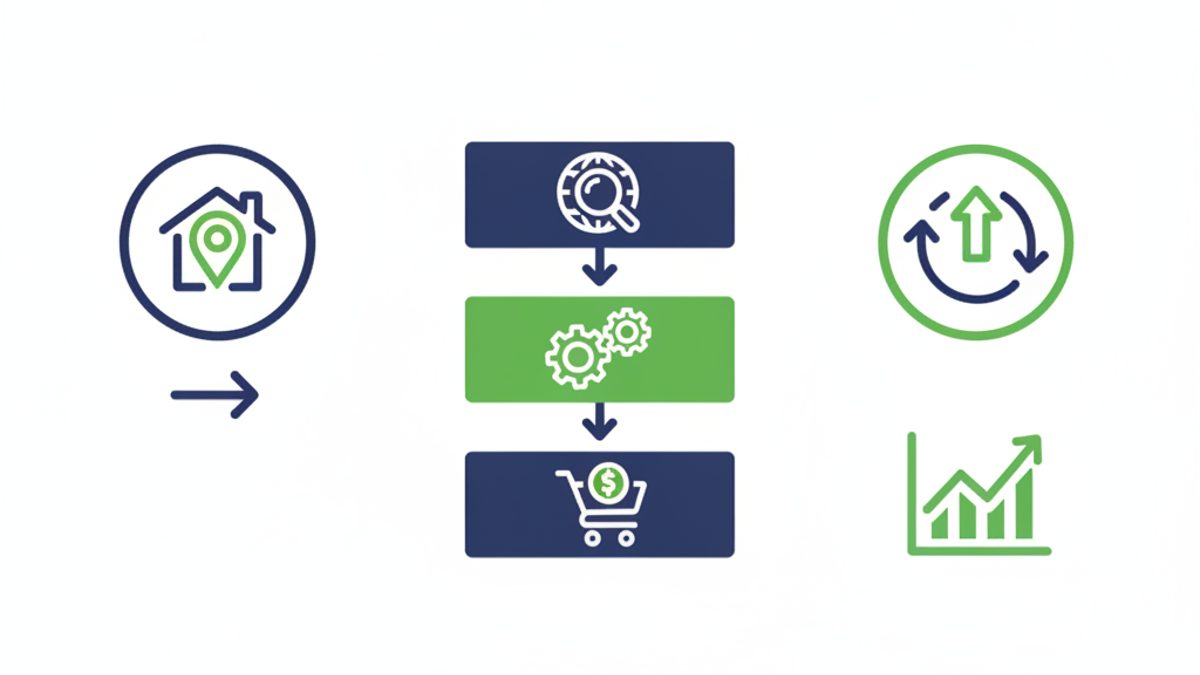
Setting up a local affiliate program requires careful planning to ensure effective tracking, fair compensation, and clear communication with your partners. The process involves defining your objectives, choosing the right tools, and actively recruiting and managing local promoters who align with your brand.
Here’s a step-by-step guide for local businesses:
Step 1: Define Your Goals and Commission Structure
Before launching, determine what you want to achieve. Are you looking for new customer acquisitions, increased website traffic, or specific lead generation? Your goals will dictate your commission structure.
- Commission Models:
- Percentage of Sale: Common for retail, e-commerce, or service bookings (e.g., 10% of every sale).
- Flat Fee per Lead/Sale: Ideal for high-value services or when a clear conversion action is defined (e.g., $50 for every qualified consultation booking).
- Tiered Structure: Rewards top-performing affiliates with higher rates based on volume or quality.
- Payment Terms: Decide on payment frequency (monthly, quarterly) and minimum payout thresholds (e.g., $50 minimum for payout).
- Cookie Duration: Set how long an affiliate's referral link tracks a user after the initial click (e.g., 30, 60, or 90 days).
Step 2: Choose Your Tracking Method
Accurate tracking is the backbone of any affiliate program. For local businesses, this often involves a mix of digital and potentially even offline methods.
- Coupon Codes: Unique codes assigned to each affiliate, easy for both online and in-store tracking. This is often the simplest for local businesses.
- Unique Tracking Links: Affiliates get custom URLs (e.g., yourbusiness.com/?ref=affiliate123). Requires a basic affiliate software or plugin.
- Landing Pages: Dedicated pages for affiliates, allowing for specific messaging and easier analytics.
- CRM Integration: For services, integrating tracking with your customer relationship management system can link leads directly to affiliates.
- Manual Tracking: For very small-scale, highly personal partnerships (e.g., a local barber referring clients to a nearby tailor), a simple logbook or verbal agreement might suffice initially, but it's prone to errors.
Step 3: Recruit Local Affiliates
Finding the right partners is crucial for local success. Look for individuals and businesses who genuinely resonate with your local community.
- Local Influencers: Bloggers, vloggers, and social media personalities with a strong local following.
- Complementary Local Businesses: Non-competing businesses that share your target audience (e.g., a pet supply store partnering with a local groomer).
- Community Groups: Local clubs, associations, or online forums where your audience gathers.
- Existing Customers: Your most loyal customers can become powerful advocates.
- Local SEO Agencies/Consultants: Some agencies might offer affiliate partnerships for local businesses they serve.
Step 4: Provide Resources and Support
Equip your affiliates with everything they need to succeed.
- Marketing Materials: Logos, banners, product images, pre-written social media posts, email templates.
- Clear Guidelines: Outline acceptable promotional methods, brand usage, and disclosure requirements (e.g., FTC guidelines for affiliate disclosures, which require transparency about affiliate relationships). The FTC provides guidance on disclosures for influencers.
- Training/Onboarding: Educate them about your products/services and program rules.
- Dedicated Contact: Provide a direct point of contact for questions and support.
Step 5: Monitor and Optimize
Regularly review your program's performance and make adjustments.
- Performance Tracking: Analyze conversion rates, affiliate payouts, and return on investment. Tools like ProMapRanker can help you see if your affiliates' efforts are translating into improved local search visibility for your target keywords or specific service areas, especially when combined with unique landing page tracking. Learn more about geo-grid rank tracking.
- Fraud Prevention: Implement measures to prevent self-referrals or other fraudulent activities.
- Feedback Loop: Regularly communicate with affiliates, gather feedback, and identify areas for improvement.
- Affiliate Leaderboards: Encourage healthy competition and recognize top performers.
How Can You Succeed as a Local Affiliate Marketer?
Succeeding as a local affiliate marketer hinges on building trust within your community and delivering genuine value. It involves strategic content creation, audience engagement, and a deep understanding of local needs and preferences, distinguishing you from broader affiliate approaches.
Here’s how to build a successful local affiliate marketing career:
Step 1: Identify Niche Local Businesses
Don't just pick any business. Focus on those that genuinely serve a local need and whose products/services you can authentically endorse.
- Think Hyper-Local: Consider businesses in your immediate neighborhood, town, or city. This could include local restaurants, spas, boutiques, plumbers, electricians, real estate agents, or even specific local events.
- Look for Gaps: Are there quality local businesses struggling with online visibility? They might be prime candidates for a local affiliate partnership.
- Personal Connection: Choose businesses you've personally patronized and had a positive experience with. Authenticity is paramount.
Step 2: Build a Hyper-Local Audience
Your success depends on reaching people within the geographic area relevant to your chosen businesses.
- Local Blogs/Websites: Create content specifically targeting local searches (e.g., "Best coffee shops in [Your City]," "Things to do in [Your Neighborhood]"). Optimize your content for Google Maps SEO.
- Social Media Groups: Engage actively in local Facebook groups, Nextdoor, or community-specific Instagram hashtags.
- Community Events: Attend local markets, festivals, and gatherings to network and understand local sentiment.
- Email Lists: Build an email list segmented by local interest.
Step 3: Choose Relevant Products/Services
Promote what truly benefits your audience and aligns with your own brand or content niche.
- Authenticity: Only promote products or services you genuinely believe in and, ideally, have personally used. Your audience trusts your recommendations.
- Solve Local Problems: Does a local service solve a common problem for your community? (e.g., a local handyman for home repairs, a specific restaurant for family dinners).
- Quality Over Quantity: It's better to promote a few high-quality, relevant local businesses than many unrelated ones.
Step 4: Create Engaging, Location-Specific Content
Your content needs to resonate with local residents and demonstrate your expertise.
- Reviews and Testimonials: Share your honest experiences with local businesses, including photos and videos.
- Local Guides: Create "best of" lists (e.g., "Top 5 brunch spots in [City Name]," "Hidden gems for shopping in [Neighborhood]").
- Event Coverage: Promote local events and incorporate affiliate links where relevant (e.g., tickets, local vendors).
- Comparison Articles: Help locals choose between similar businesses (e.g., "Which gym is right for you: [Gym A] vs. [Gym B] in [City]").
- Video Content: Local "tours" or "day in the life" videos featuring local businesses can be highly engaging.
Step 5: Track Your Performance and Optimize
Data is your friend. Understand what works and what doesn't.
- Analytics: Use tools to monitor clicks, conversions, and earnings from your affiliate links.
- A/B Testing: Experiment with different calls to action, headlines, and content formats to see what performs best with your local audience.
- Local Search Trends: Keep an eye on local keyword trends. Tools like ProMapRanker can help you understand how local businesses are performing in search results for specific keywords across a geo-grid, which can inform your content strategy. If a business you promote improves its local rank, your efforts might be contributing, making your affiliate relationship more valuable.
- Feedback: Pay attention to comments and direct messages from your audience to understand their needs and preferences.
What Are the Best Strategies for Local Affiliate Marketing?
Effective local affiliate marketing goes beyond just placing links; it integrates deeply with local community dynamics and digital presence. The best strategies leverage local SEO, genuine community engagement, and hyper-targeted content to build trust and drive conversions.
Here are key strategies to maximize your local affiliate marketing efforts:
Local SEO Integration
For affiliates, optimizing your content for local search ensures local residents find your recommendations. For businesses, ensuring your Google Business Profile (GBP) is optimized means affiliates' efforts are more likely to convert when customers search for you directly.
- Keyword Research: Focus on "near me" searches, "best [service] in [city]," and neighborhood-specific terms. Use tools to conduct local keyword research.
- Google Business Profile Optimization: For the businesses you promote, ensure their GBP is fully optimized with accurate information, photos, categories, and regular posts. This directly impacts how a business ranks in the local pack. A Google Business Profile audit checklist can be invaluable here.
- Local Schema Markup: Use LocalBusiness schema markup on your website (if you have one) to help search engines understand your local relevance.
- Citations: For businesses, consistent name, address, phone (NAP) information across online directories boosts local trust and visibility.
Community Engagement
Building a local presence isn't just online; it's about being a part of the community.
- Attend Local Events: Show up at farmers' markets, festivals, and community meetings. This builds rapport and provides content opportunities.
- Partner with Local Non-Profits: Support local causes, which can enhance your reputation and provide organic content.
- Run Local Contests/Giveaways: Collaborate with businesses you promote to offer prizes to your local audience.
Hyper-Targeted Content
Generic content won't cut it. Your content needs to speak directly to the local audience's needs and interests.
- Neighborhood-Specific Guides: Create guides for specific neighborhoods detailing local amenities, services, and businesses.
- "Day in the Life" Features: Showcase a day enjoying local businesses (e.g., "A Saturday Morning in [Neighborhood] featuring [Coffee Shop], [Bookstore], and [Restaurant]").
- Local Problem-Solution Content: Address common local issues and recommend businesses that provide solutions (e.g., "Best HVAC repair in [City] for summer heat").
Email Marketing (Local Focus)
Build an email list of local subscribers interested in your recommendations.
- Segment Your List: If you serve multiple areas, segment your list by location to send highly relevant offers.
- Exclusive Local Deals: Work with businesses to offer exclusive discounts or early access to your email subscribers.
Paid Local Ads
Amplify your reach with geo-targeted advertising.
- Google Local Search Ads: Target users searching for specific services in your area.
- Social Media Ads: Use Facebook or Instagram's precise targeting features to reach users within a defined radius of a local business.
Review Generation
For businesses, encouraging customers to leave reviews on Google Business Profile, Yelp, and other local platforms is crucial. For affiliates, highlighting genuine reviews in your content builds trust.
- Directly Ask for Reviews: Businesses should make it easy for satisfied customers to leave reviews.
- Showcase Positive Reviews: Affiliates can integrate screenshots or quotes from positive reviews into their content.
Key Metrics and Tools for Tracking Local Affiliate Success
Measuring the effectiveness of your local affiliate marketing efforts is critical for both businesses and affiliates. Understanding key performance indicators (KPIs) and utilizing the right tools ensures you can optimize your strategies and maximize returns.
Here are the essential metrics and tools:
Key Metrics:
- Conversion Rate: The percentage of clicks or leads that result in a sale or desired action. This is paramount for performance-based marketing.
- Average Order Value (AOV): For product-based businesses, this indicates the average amount spent per transaction, helping assess the quality of referred customers.
- Customer Lifetime Value (CLTV): Measures the total revenue a business can expect from a customer over their relationship. High CLTV from affiliate referrals indicates a successful partnership.
- Click-Through Rate (CTR): The percentage of people who click on an affiliate link after seeing it. Important for evaluating the effectiveness of your promotional content.
- Return on Ad Spend (ROAS): For paid campaigns, this measures the revenue generated for every dollar spent on ads.
- Local Search Ranking: For businesses, monitoring improvements in their local search visibility (e.g., in the Google Map Pack) can indirectly reflect the success of local affiliate efforts, especially if affiliates drive brand mentions or local citations.
Essential Tools:
- Affiliate Software Platforms:
- Dedicated Affiliate Platforms: Solutions like Everflow, Impact Radius, or PartnerStack provide robust tracking, commission management, and reporting for larger programs.
- WordPress Plugins: For smaller businesses using WordPress, plugins like AffiliateWP or Solid Affiliate offer easy integration and management.
- Google Analytics:
- Track website traffic, user behavior, and conversion goals. Ensure UTM parameters are used on all affiliate links to accurately attribute traffic sources.
- Monitor geo-specific data to see where your affiliate traffic is coming from.
- CRM Systems:
- For service-based businesses, a CRM (e.g., HubSpot, Salesforce, Zoho CRM) can track leads from initial contact through conversion, allowing you to attribute sales to specific affiliates.
- Coupon Code Tracking:
- Many POS (Point of Sale) systems allow you to track sales generated by specific coupon codes, providing a straightforward method for local brick-and-mortar businesses.
- ProMapRanker: Your Local SEO Ally
- As Md Shihab Mia, I can tell you that understanding local search performance is indispensable for both businesses and affiliates. ProMapRanker provides geo-grid rank tracking, allowing you to see a business's exact search ranking for specific keywords across a precise geographical area (e.g., a 5x5 grid at 1-mile radius).
- This insight helps businesses evaluate if their combined marketing efforts, including affiliate promotions, are improving local visibility. For affiliates, it informs them about the local search demand for the businesses they promote and helps them optimize their content for specific areas.
- Our free Google Business Profile audit tool also helps businesses identify areas for improvement in their local presence, which directly impacts the effectiveness of any local marketing, including affiliate campaigns.
- The Share of Local Voice (SoLV) and Average Rank Position (ARP) metrics within ProMapRanker provide a clear picture of a business's local market dominance, offering valuable data for both parties in an affiliate relationship.
Common Challenges and How to Overcome Them
Local affiliate marketing, while powerful, comes with its unique set of challenges. Addressing these proactively ensures a smoother, more profitable partnership for both businesses and affiliates.
Challenge 1: Attribution Issues
Determining which affiliate deserves credit for a conversion, especially across multiple touchpoints or offline interactions, can be complex.
- Overcoming: Implement robust tracking systems. Use unique coupon codes for offline attribution. Employ first-click or last-click attribution models consistently. Clearly define cookie durations. For complex scenarios, consider using a dedicated affiliate platform that handles multi-touch attribution.
Challenge 2: Building Trust and Credibility
Both businesses and affiliates must maintain high levels of trust within the local community, which can be fragile.
- Overcoming: Affiliates should only promote businesses they genuinely believe in and have experience with. Businesses should vet potential affiliates for authenticity and alignment with brand values. Always disclose affiliate relationships transparently, adhering to guidelines from bodies like the FTC (Federal Trade Commission) in the US.
Challenge 3: Scaling Local Affiliate Programs
Expanding an affiliate program beyond a handful of partners in a hyper-local context can be difficult without losing the "local" touch.
- Overcoming: Focus on quality over quantity. Instead of hundreds of affiliates, cultivate strong relationships with a select few highly influential local partners. Segment your program by specific neighborhoods or service categories. Leverage local networks and community hubs for recruitment.
Challenge 4: Legal and Compliance Issues
Navigating disclosure requirements, local advertising laws, and data privacy can be daunting.
- Overcoming: Provide clear guidelines to affiliates regarding disclosure of their relationship. Ensure all marketing materials comply with local advertising standards. For businesses, have a clear affiliate agreement that outlines terms, conditions, and legal obligations. Consult legal counsel if unsure about specific local regulations.
Challenge 5: Performance Monitoring and Optimization
Tracking local-specific conversions and understanding their impact on overall business growth can be harder than with purely online campaigns.
- Overcoming: Use a combination of digital analytics (Google Analytics with UTM tags) and specific local tools. ProMapRanker's geo-grid tracking helps businesses see if increased local affiliate activity translates into improved local search rank within specific service areas. For instance, if an affiliate campaign targets a specific zip code, a grid scan can show if the business's visibility has improved in that precise area for relevant keywords. Regularly review performance data and communicate openly with affiliates about what's working and what needs adjustment.
Checklist: Launching Your Local Affiliate Marketing Journey
Whether you're a local business or an aspiring affiliate, this checklist will guide you through the essential steps to kickstart your local affiliate marketing success.
For Local Businesses:
- Define Clear Goals: What do you want to achieve? (e.g., X new customers, Y leads, Z% revenue increase).
- Establish Commission Structure: Percentage, flat fee, tiered? Set fair and attractive rates.
- Choose Tracking System: Unique links, coupon codes, specific landing pages, or a dedicated platform.
- Develop Affiliate Agreement: Outline terms, conditions, payment structure, and legal compliance.
- Prepare Marketing Assets: Logos, banners, product images, pre-written content, brand guidelines.
- Identify & Recruit Local Affiliates: Reach out to local influencers, complementary businesses, and loyal customers.
- Onboard Affiliates: Provide training, resources, and a point of contact.
- Monitor & Analyze Performance: Track conversions, payouts, and ROI. Use tools like ProMapRanker for local visibility insights.
- Optimize & Iterate: Adjust strategies based on data and feedback.
For Local Affiliates:
- Identify Your Niche & Audience: What local businesses or services align with your interests and community? Who are you trying to reach?
- Build Your Local Platform: Create a local blog, social media presence, or community group.
- Research Potential Local Partners: Find businesses with genuine local appeal and a good reputation.
- Propose Partnership: Clearly communicate your value proposition and audience reach to businesses.
- Understand Tracking & Payment: Know how your referrals will be tracked and when you'll be paid.
- Create Engaging Local Content: Develop reviews, guides, and stories tailored to your local audience.
- Disclose Affiliate Relationships: Be transparent with your audience about your partnerships.
- Track Your Performance: Monitor clicks, conversions, and earnings.
- Build Relationships: Engage with your audience and the businesses you promote for long-term success.
Frequently Asked Questions
Can you make $10,000 a month with affiliate marketing?
Yes, it is possible to make $10,000 a month or more with affiliate marketing, but it requires significant effort, strategic planning, and consistent optimization. Success depends on choosing profitable niches, building a substantial audience, driving high-quality traffic, and effectively converting that traffic into sales. This level of income is not typical for beginners and often takes years of dedicated work and scaling efforts.
How to earn $100 per day through affiliate marketing?
To earn $100 per day through affiliate marketing, focus on promoting products or services with a good commission rate and high demand. This might involve generating a few high-value sales (e.g., 2 sales at $50 commission each) or many smaller sales (e.g., 20 sales at $5 commission each). Strategies include building niche websites with strong SEO, running targeted paid ad campaigns, leveraging email marketing, and creating engaging content that consistently drives conversions.
Which affiliate is best for beginners?
For beginners, the "best" affiliate program is one that aligns with their interests, offers products they can genuinely endorse, and provides good support and resources. Programs with lower barriers to entry, clear tracking, and reasonable commission rates are ideal. Focusing on local businesses can be particularly effective for beginners because it allows them to leverage existing community knowledge and trust, often starting with simpler tracking like coupon codes or direct referrals.
What is the 80/20 rule in affiliate marketing?
The 80/20 rule, or Pareto Principle, in affiliate marketing suggests that roughly 80% of your results (e.g., revenue, conversions) will come from 20% of your efforts, products, or affiliates. This means identifying your most effective strategies, top-performing content, or highest-converting partners and focusing your resources on amplifying those areas. For businesses, it might mean dedicating more support to their most productive affiliates; for affiliates, it means doubling down on the products or content types that yield the most income.
Local affiliate marketing offers a unique opportunity for both businesses and individuals to thrive by leveraging community connections and digital strategies. By understanding its nuances, implementing smart tracking, and focusing on genuine value, you can build a powerful revenue stream. Remember, local visibility is key, and tools like ProMapRanker can give you the competitive edge needed to truly understand your local market performance. Ready to see how your local efforts are really performing? Sign up for ProMapRanker today and get a free geo-grid scan.
See where you really rank - block by block
ProMapRanker scans Google Maps across a grid of your service area. Simple monthly plans from $19, white-label on every plan.
Start free