 ProMapRanker
Identity Guard Alternatives in 2026

Key takeaways
- Aura is the strongest all-around alternative, with three-bureau monitoring, dark web scanning, VPN, and family plans.
- Norton LifeLock suits users who also want device security, since it pairs identity monitoring with Norton 360 tools.
- DeleteMe and Incogni focus on removing personal data from data brokers, which monitoring alone does not do.
- No service can prevent all identity theft, so fraud alerts, credit freezes, and fast recovery help matter as much as monitoring.
Quick comparison
| Pick | Great for | Pricing starts at | Free tier | |
|---|---|---|---|---|
 Aura | All-around family protection | See website | No | Visit |
 Norton LifeLock | Identity plus device security | See website | No | Visit |
 Experian IdentityWorks | Credit-focused monitoring | Free | Yes | Visit |
 IDShield | Investigator-led recovery | See website | No | Visit |
 Bitdefender Digital Identity Protection | Identity monitoring add-on | See website | No | Visit |
 DeleteMe | Data broker removal | See website | No | Visit |
 Incogni | Data broker removal | See website | No | Visit |
 Surfshark Alert | Budget breach alerts | See website | No | Visit |
The best Identity Guard alternatives
We compared official feature pages, pricing pages, app store listings, privacy policies, and public reviews. Only alternatives are listed here, never Identity Guard itself as a product. Identity protection services monitor and help recover, but they cannot stop every fraud attempt, so we note recovery help and insurance limits where relevant.
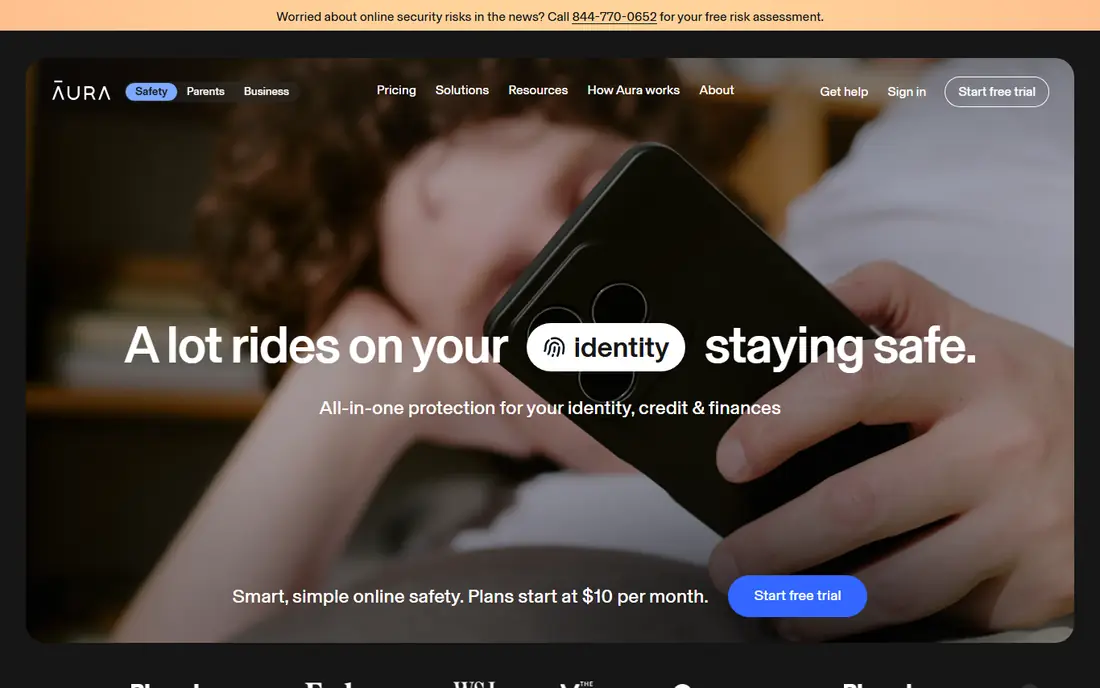
Aura bundles identity monitoring with device security in one dashboard, which suits families that want fewer subscriptions. It monitors credit files, dark web exposures, home title in some plans, and financial accounts, and it includes a VPN, antivirus, and a password manager. Alerts aim to be fast, which matters when stolen data is used quickly.
The main limit is plan detail. Family cover, insurance limits, and some monitoring features differ by tier, so the headline price may not match the full bundle. For most households, though, Aura offers the best balance of monitoring breadth and everyday security tools in one place.
- Three-bureau credit monitoring
- Dark web scanning
- VPN, antivirus, and password manager included
- Higher plans needed for full family cover
- Some features vary by plan
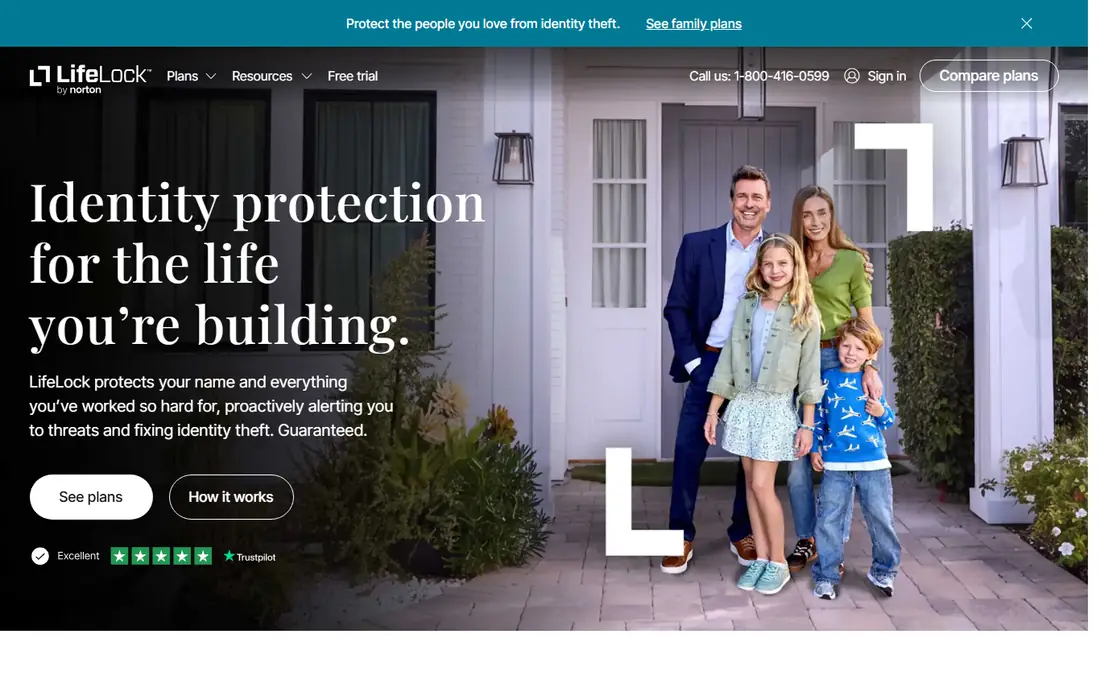
Norton LifeLock pairs identity monitoring with Norton device security on higher plans, covering both stolen data and malware that steals data. It monitors credit, dark web sources, and social security number use, and offers identity restoration support and insurance on eligible plans. That history in recovery help is useful when a case involves many accounts.
The trade-off is cost. Top plans with the highest insurance limits are expensive, and renewal prices can rise. Users who only need monitoring may find a simpler service cheaper. For households that want identity and device security together, LifeLock remains a strong, mature choice.
- Long history in identity recovery
- Norton 360 bundle on higher plans
- High insurance limits on top tiers
- Premium plans are costly
- Renewal prices need checking
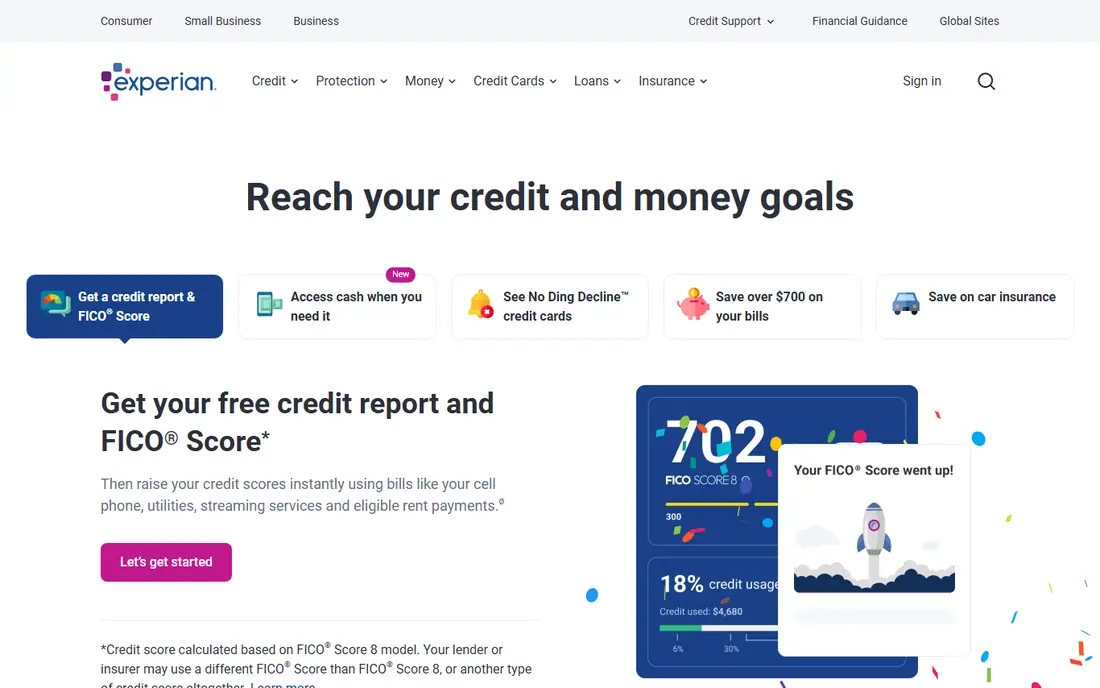
Experian IdentityWorks is a natural pick for users whose main worry is credit fraud. The free tier offers Experian credit monitoring and fraud alerts, which helps catch new accounts opened in your name. Paid plans add three-bureau monitoring, dark web scanning, and identity restoration help.
The limit is scope. Free monitoring covers one bureau, so fraud that appears only on another bureau may be missed until that bureau reports it. It also lacks the VPN and antivirus tools found in Aura and LifeLock. As a credit-first starting point, especially free, Experian is hard to beat.
- Free tier with credit monitoring
- Direct access to Experian credit data
- Fraud alerts
- Free tier covers one bureau
- Full three-bureau cover needs a paid plan
IDShield stands out for recovery quality, with licensed private investigators handling cases rather than only phone agents. That help matters when identity theft involves multiple accounts, police reports, and creditor disputes. Monitoring covers credit, dark web, and social media sources, with restoration support included.
The downside is polish and price. The dashboard is less modern than Aura, and plans cost more than simple breach alerts. For users who want a human expert to lead recovery, rather than a self-serve process, IDShield offers a clear difference.
- Licensed investigators for recovery
- Monitoring and restoration support
- Family plans
- Interface is less polished
- Pricing is higher than budget alerts
Bitdefender Digital Identity Protection focuses on finding exposed personal data online, including emails, passwords, and other identifiers in breaches. Reports show what was exposed and what to change, which makes the next steps clear. It pairs naturally with Bitdefender antivirus for users who already use that suite.
The limit is credit depth. It is primarily an identity exposure monitor, not a full three-bureau credit service in every plan. Users who need credit freezes, credit alerts, and loan monitoring should check plan details or pair it with a credit service. For breach monitoring, it is a solid, focused tool.
- Strong dark web and breach monitoring
- Clear exposure reports
- Pairs with Bitdefender security
- No full credit monitoring in all plans
- Best as part of a wider Bitdefender setup
DeleteMe takes a different approach: it removes your personal data from data broker sites, rather than only watching for its misuse. That reduces exposure in the first place, since brokers sell names, addresses, and phone numbers that scammers use for phishing and impersonation. Reports show which brokers were processed and what was removed.
The catch is scope and patience. DeleteMe does not monitor credit or restore stolen identity, so it works best paired with a monitoring service. Removal also takes weeks, and some brokers relist data, which is why ongoing removal matters. For prevention, DeleteMe is a strong complement to monitoring.
- Removes data from many brokers
- Regular re-removal
- Clear privacy reports
- Does not monitor credit
- Removal takes time and repeats as brokers relist data
Incogni automates data broker removal requests and tracks progress in a dashboard, which saves the manual work of contacting dozens of brokers. It suits users who want a set-and-forget privacy step, with regular removals as brokers update their lists. Pricing is competitive compared with broader identity suites.
Like DeleteMe, Incogni does not replace credit monitoring or identity restoration. Broker coverage also varies, so users should check whether the brokers that matter to them are included. Paired with Aura, Experian, or LifeLock, Incogni adds a useful prevention layer.
- Automated broker removals
- Progress dashboard
- Competitive pricing
- No credit monitoring
- Broker coverage varies by plan and region
Surfshark Alert is a budget option for users who mainly want breach alerts. It monitors emails, passwords, credit cards, and ID numbers for exposure in breaches, and alerts you when a match appears. When bundled with Surfshark VPN, the combined price is lower than many full identity suites.
The limit is depth. Alert does not offer the same credit monitoring, restoration, or insurance as Aura or LifeLock. For a user who already uses Surfshark and wants basic breach warnings, it is good value. For full identity protection, a broader service will fit better.
- Low cost when bundled with Surfshark
- Breach and credit card alerts
- Simple dashboard
- Narrower monitoring than full suites
- No investigator-led recovery
How we picked these
We compared official feature pages and pricing pages, app store listings, privacy policies, and public reviews. We required current availability in October 2026 and a clear identity role, either monitoring, recovery, or data removal. We weighed bureau coverage, dark web scanning, fraud alerts, recovery help, insurance limits, and price. We did not claim hands-on testing beyond that comparison, and we listed only alternatives.
How to choose an identity protection service
Start with your main risk. If credit fraud worries you most, choose three-bureau monitoring from Aura, LifeLock, or Experian paid plans. If recovery help matters most, weigh IDShield. If data exposure worries you, add DeleteMe or Incogni for broker removal. Many users pair one monitoring service with one removal service.
Check insurance limits and exclusions carefully, since identity theft insurance usually covers recovery costs, not all stolen funds. Set up fraud alerts and consider a credit freeze, which is free in the US and often stronger than monitoring alone. Read renewal prices and cancellation terms before you buy, since identity services often discount the first term.
Frequently asked questions
What is the best identity protection service overall?
Aura is our pick for most people, because it combines three-bureau monitoring, dark web scanning, device security, and family plans. Norton LifeLock is close for users who want device security and high insurance limits. The best service depends on whether you need credit depth, recovery help, or data removal.
What is the best company for identity theft protection?
There is no single best company for every user. Aura leads on breadth, LifeLock leads on bundle depth, IDShield leads on investigator-led recovery, and Experian leads on credit-first value. Compare bureau coverage, recovery help, and insurance limits for your situation.
What is the best fraud alert service?
Fraud alerts come from credit bureaus, banks, and identity services. Experian, Aura, and LifeLock all offer fraud alerts tied to credit and breach monitoring. A free credit freeze at each bureau is often stronger than an alert alone, since it blocks new credit in your name.
Can identity protection prevent identity theft?
No service can prevent all identity theft. Monitoring finds misuse faster, removal reduces exposure, and recovery help restores accounts, but criminals can still use stolen data in ways no monitor sees. Use strong passwords, two-factor authentication, credit freezes, and careful sharing alongside any service.
Is DeleteMe worth it?
DeleteMe is worth considering if data broker exposure worries you, since it removes personal data that fuels phishing and impersonation. It does not monitor credit, so pair it with a monitoring service for full cover. Expect removal to take weeks and to need ongoing repeats.
What should I do if my identity is stolen?
Contact the fraud departments of affected banks and creditors, place a fraud alert or credit freeze, file a report with the FTC at IdentityTheft.gov, and keep records of every call and letter. An identity service with restoration help can guide disputes, but you should still check credit reports directly.
Sources
See where you really rank - block by block
ProMapRanker scans Google Maps across a grid of your service area. Simple monthly plans from $19, white-label on every plan.
Start freeKeep reading
 zeffy payment processor stripe alternatives
Zeffy and Stripe Alternatives for Nonprofits in 2026
Explore zeffy payment processor stripe alternatives for nonprofits. We compare 8 fundraising platforms on fees, donor tools, and nonprofit focus. Check fees.
Read → workday alternatives
Workday Alternatives in 2026
Workday alternatives compared: we review 8 HR and payroll platforms that replace Workday, with pricing, strengths and honest limits for each team size.
Read → what's the best weather app
What's the Best Weather App in 2026
Wondering what's the best weather app? We compare 10 free and paid apps for forecasts, radar, alerts, and Colorado mountain weather for everyday and storm use.
Read →