 ProMapRanker
2026 Guide to the Best Social Network Platforms for Startups
Direct answer
If you need community and group chat, Discord is the first tool to look at here. Listed starting prices: Slack from $4.38 per user a month. Instagram is the stronger choice for visual brand building, while YouTube suits long-form video and demos. All 5 tools are compared below on price, free plan and limits.
ProMapRanker put together this guide to social network platforms for startups for readers who want a clear shortlist without reading every vendor page. It compares 5 tools on starting price, free plans, who each one suits and where each one falls short.
Key takeaways
- This list starts with Discord, which is built for community and group chat.
- Slack suits team and partner communication.
- The cheapest monthly starting price in the list is $4.38 per user per month, offered by Slack.
- What to know about Instagram first: needs regular visual content.
- Slack is the only tool of the 5 with a free plan.
Quick comparison
| Pick | Great for | Pricing starts at | Free tier | |
|---|---|---|---|---|
 Discord | Community and group chat | See website | Not stated | Visit |
 Instagram | Visual brand building | See website | Not stated | Visit |
 YouTube | Long-form video and demos | See website | Not stated | Visit |
 X | Live public conversation | See website | Not stated | Visit |
 Slack | Team and partner communication | $4.38 per user a month | Yes | Visit |
The full social network platforms for startups list
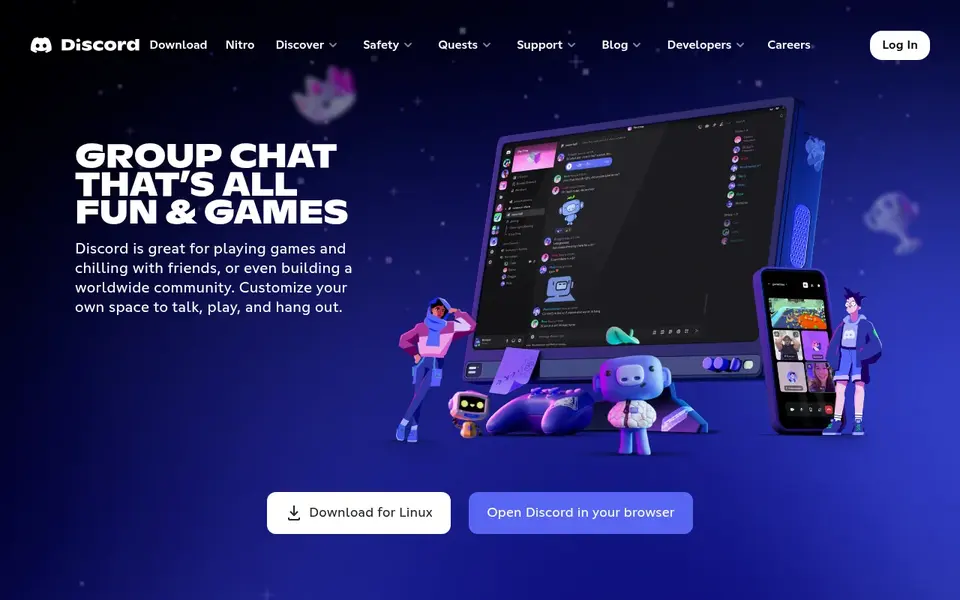
Discord targets community and group chat. Startups with engaged, niche audiences use it to host conversations, gather feedback and support power users.
The main drawbacks: Needs active moderation.
More specifically, Discord is not a discovery channel, so new people seldom find you there without an invitation or existing audience. This comparison lists no price for Discord; ask the vendor. Free options: Not stated.
- Organized channels and spaces
- Works for gaming and hobby groups
- Not a wide public feed
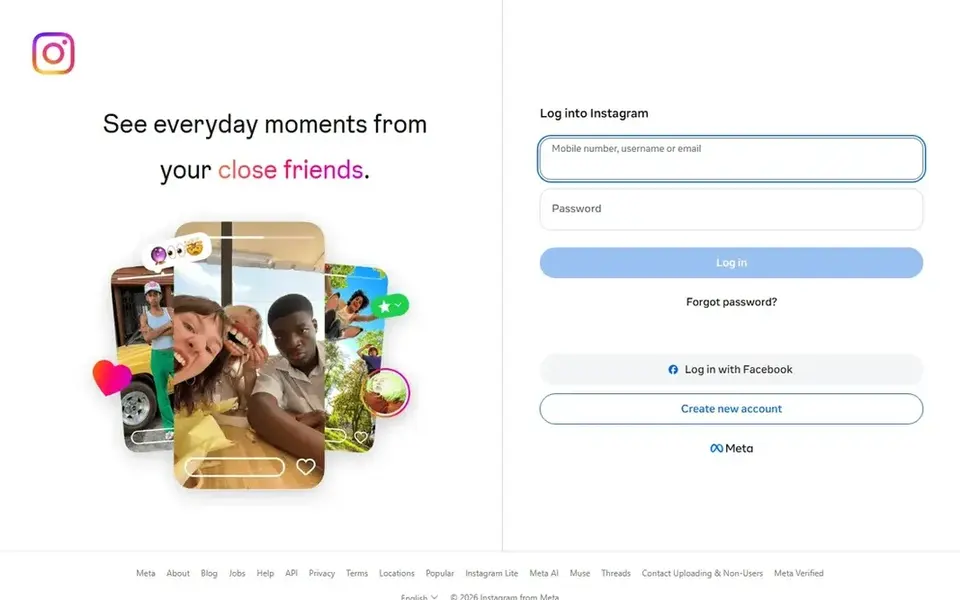
For visual brand building, Instagram is a natural candidate. The system relies on steady content production, and image quality matters, so it can be resource-heavy for small teams. As for the details, if your product needs in-depth technical explanation, a video or community product may serve you better.
From a buyer's view, Instagram is a visual social network centered on photos, short video and stories. Links and long explanations are awkward inside posts. This comparison lists no price for Instagram; ask the vendor. On free options: Not stated.
What Instagram does well: Capable visual storytelling. The main drawbacks: Restricted link choices in posts.
- Photos
- Video and stories
- Needs regular visual content
In short, YouTube is for long-form video and demos. YouTube is a video platform where people watch, upload and share content across music, tutorials and entertainment. As for the details, video takes planning, editing and time before it performs, and early uploads may see little traction.
It is not a fast channel for daily updates. Worth adding: for startups, it is a home for product demos, founder explainers and how-to videos that stay handy long after publishing. No starting price is listed for YouTube here; confirm pricing on the vendor site. Free options: Not stated.
Limits to weigh: Slow to build momentum.
- Supports long videos
- Searchable video library
- Higher production effort
Pick X if this describes you: live public conversation. X is a live social network built around short posts, live commentary and breaking news across entertainment, sports and politics. More specifically, the pace is demanding, and posts move out of view rapidly, so results depend on consistent activity.
Limits to weigh: Short content lifespan.
It is less suited to long-form storytelling or deep product education. Also, if your audience needs tutorials or visual inspiration, pair X with a product made for that format. More specifically, for startups, it works as a public square where you can announce launches, join conversations in your category and respond to customers rapidly. No starting price is listed for X here; confirm pricing on the vendor site. Free plan details: Not stated.
- A decent match for news and announcements
- Quick posting and replying
- High posting volume
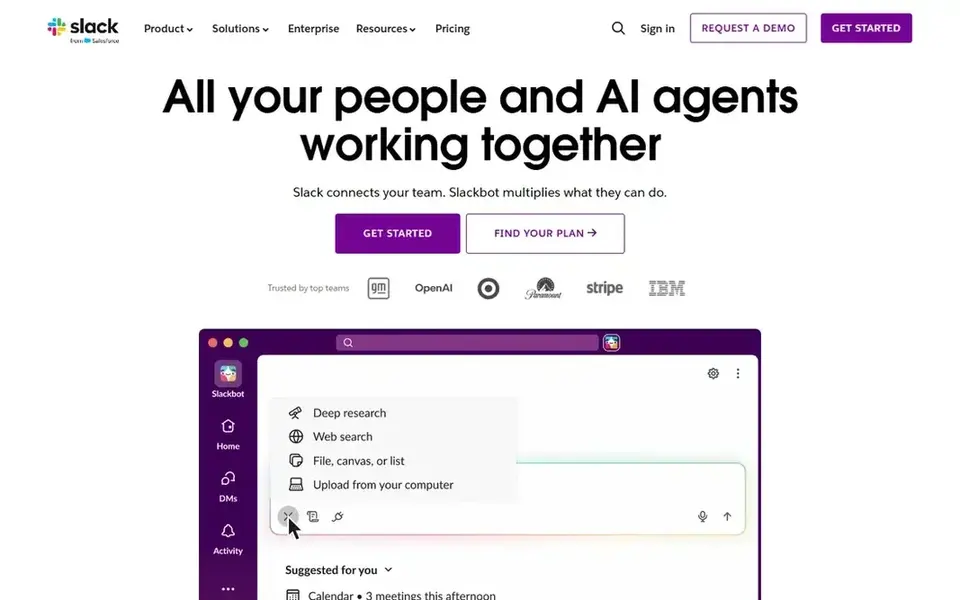
Slack is built with team and partner communication in mind. Slack does not provide you a public audience, so it cannot replace an outward-facing network.
Limits to weigh: Not a public audience channel.
It also layers on another workspace to maintain. Slack starts at: $4.38 per user per month. Slack has a free plan.
- A decent match for internal coordination
- Supports secure team connection
- Layers on another tool to run
How we compared the tools
Selection started from tools commonly considered for social network platforms for startups, then narrowed to 5 that have clear pricing information or a clear quote process. Treat prices as a snapshot: vendors change plans often, so check the vendor site for the figure that applies today. We ordered the tools by general fit, then by how clearly pricing is shown, then by free access. A buyer with unusual needs may reorder them.
Before you commit
- Confirm the entry price on the vendor page. For Discord, Instagram, YouTube and X that means a quote rather than a fixed price.
- Test the free plan from Slack against your real workload before relying on it.
- Read the limits listed for Discord first: not a wide public feed.
- Look at the renewal terms for Discord: auto-renewal, notice periods and price changes can matter more than the first-year price.
- Involve the people who will use X daily; a short pilot beats a long feature checklist.
Frequently asked questions
Do these tools publish their prices?
Not all of them. Discord, Instagram, YouTube and X publish no starting price, so expect a quote request for those. The rest, Slack included, show a starting price, though seats and billing terms still change the final cost.
What is the cheapest option for social network platforms for startups in this list?
On published monthly entry prices, Slack is the lowest here at $4.38 per user per month. Entry price is only part of the cost, because seats, add-ons and billing terms can change the total. All 5 picks in this social network platforms for startups comparison list a starting price, free plan details and the main limits on their cards above.
Is Discord or Slack better for a startup community?
Discord is designed for community conversation with organized channels and configurable spaces, so it suits public-facing groups. Slack is positioned as a work product for projects, workflows and secure team connection.
Can I try these tools before paying?
Often, yes. Slack has a free plan. Use your own data and a real task during the test, and check what the free tier or trial limits before you rely on it.
Is Discord the right pick for everyone comparing social network platforms for startups?
No single tool suits every team. Discord comes first because it fits community and group chat, while Instagram suits visual brand building and YouTube suits long-form video and demos. Match the tool to your own size, budget and workflow before deciding.
Sources
See where you really rank - block by block
ProMapRanker scans Google Maps across a grid of your service area. Simple monthly plans from $19, white-label on every plan.
Start freeBrowse all guides
← Best Social Media Suites Software for Small Business (2026)Creator.co Alternatives: 5 Tools Compared in 2026 →
 best social media platforms for monetization
Best Social Media Platforms for Monetization in 2026
Need the best social media platforms for monetization? We compare 5 tools on cost, free access and who each suits. Read the caveats before you buy. Start here.
Read → best social media metrics software
Best Social Media Metrics Software in 2026
6 tools for the best social media metrics software, compared on pricing, free plans and best-fit use. Every entry states what it lacks. Costs up front.
Read → best social media management tools for restaurants
Best Social Media Management Tools for Restaurants in 2026
6 best social media management tools for restaurants, compared on pricing, free plans and best-fit use. Each entry gets a plain verdict. Costs up front.
Read → best software for sourcing tiktok influencers
7 Strong Software for Sourcing TikTok Influencers in 2026
Best software for sourcing TikTok influencers in 2026: 7 contenders with entry costs and free tiers. Each tool gets a one-line verdict. Quick to scan.
Read → best b2b influencer marketing platforms
7 Best B2B Influencer Marketing Platforms for 2026
Shortlisting the best B2B influencer marketing platforms? 7 products compared on cost, free access and ideal buyer. Read the caveats before you buy. Facts only.
Read → best reel editing app free
Best Reel Editing App Free in 2026
We compared the best reel editing app free options for Instagram Reels, checking watermarks, captions, templates, and export quality on phones and tablets.
Read →More in Social Media & Creators · All guides A to Z by date · Latest guides