 ProMapRanker
Best Sales Intelligence Tools for B2B Sales Teams in 2026

Key takeaways
- Contact accuracy matters more than contact count, especially for phone outreach
- Intent data helps prioritize accounts, but it does not replace direct research
- European prospecting needs GDPR-aware data, which favors some vendors over others
- Enrichment tools work best when they feed a CRM, not when they live in a separate tab
- Credit-based pricing rewards careful targeting and punishes bulk list building
Quick comparison
| Pick | Great for | Pricing starts at | Free tier | |
|---|---|---|---|---|
 ZoomInfo | mid-market to enterprise revenue teams | Free | Yes | Visit |
 Apollo | small and mid-market teams wanting data plus outreach | $49 per user per month | Yes | Visit |
 Cognism | European prospecting with verified mobiles | See website | Free trial | Visit |
 Lusha | individual sellers and small teams | $37.45 per month | Yes | Visit |
 LinkedIn Sales Navigator | relationship selling on LinkedIn | $119.99 per month | Free trial | Visit |
 Clay | enrichment workflows for revenue teams | $185 per month | Yes | Visit |
 6sense | enterprise account-based marketing | See website | Free trial | Visit |
 LeadIQ | sales teams prospecting from LinkedIn | $15 per month | Yes | Visit |
 Seamless.AI | high-volume real-time contact search | Free | Yes | Visit |
The best sales intelligence tools for B2B sales teams
We compared vendor pricing, data coverage, intent features, and CRM links for each tool, and we favored tools with clear free or entry options. We noted where pricing is quote-based, and we did not invent per-user prices for those vendors.
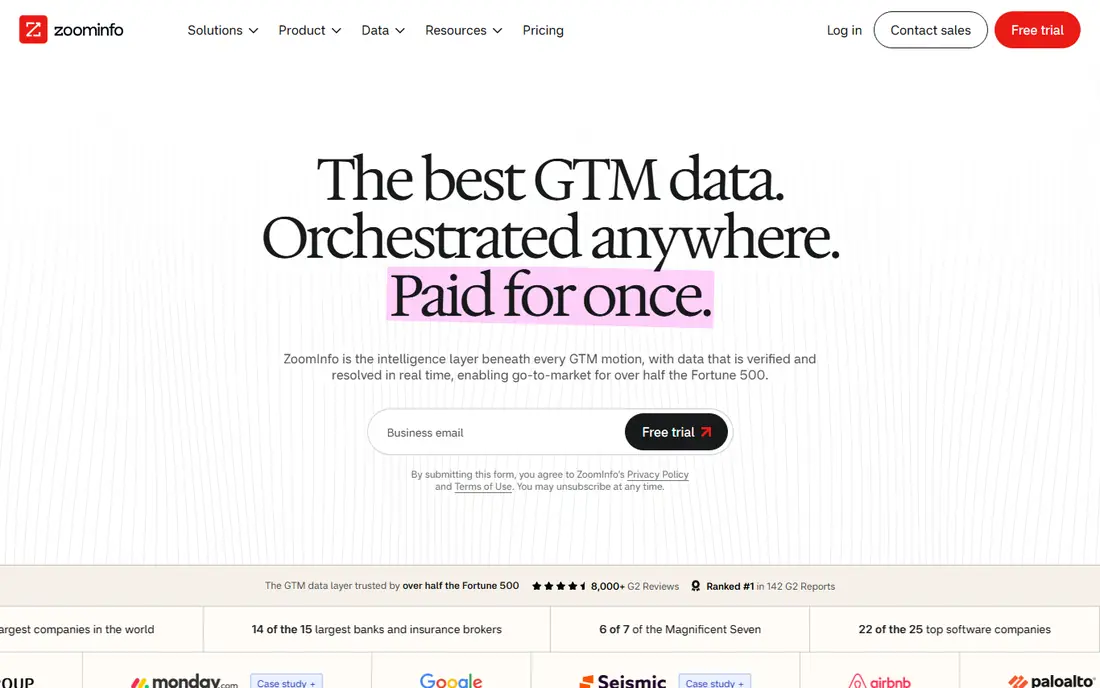
For mid-market to enterprise revenue teams, ZoomInfo is a practical first choice. It combines verified contacts, company data, and buying signals with AI agents for account research and meeting preparation. Its main strengths are large contact and company database; buying signals; crm integrations. For many readers, that combination covers the most common jobs without adding extra steps or a steep learning curve.
In daily use, the workflow stays short for repeat jobs, and most settings are easy to find without a manual. On the other side, paid plans are quote-based; full suite can be costly for small teams. The catch is worth weighing before you commit, especially if you work with sensitive files every day.
- Large contact and company database
- Buying signals
- CRM integrations
- Paid plans are quote-based
- Full suite can be costly for small teams
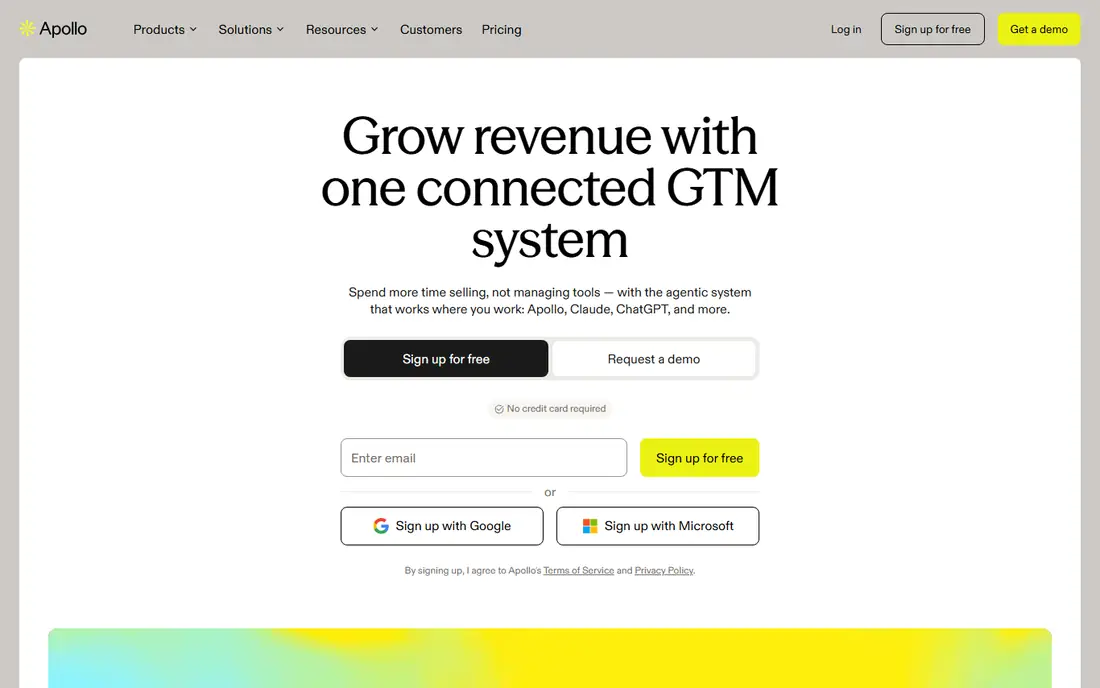
If small and mid-market teams wanting data plus outreach describes your work, Apollo deserves a close look. It lets reps find contacts, build sequences, and call from one product, which cuts the number of tools a small team must manage. Its main strengths are contact data plus sequences and dialer in one tool; free plan available. For many readers, that combination covers the most common jobs without adding extra steps or a steep learning curve.
In daily use, the workflow stays short for repeat jobs, and most settings are easy to find without a manual. On the other side, data quality varies by region; outreach features need care to avoid spam. That balance of strength and limits is what should drive your choice, not the headline feature list.
- Contact data plus sequences and dialer in one tool
- Free plan available
- Data quality varies by region
- Outreach features need care to avoid spam
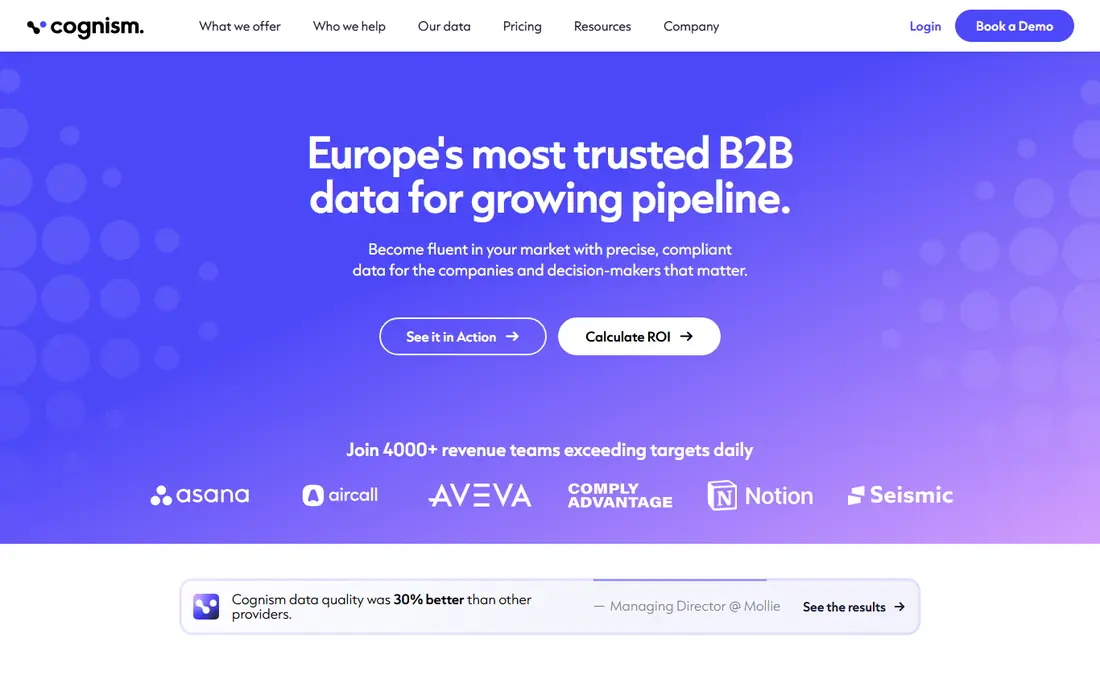
Cognism stands out for European prospecting with verified mobiles, and it is easy to see why. It focuses on verified mobile numbers for European buyers, which matters when email alone does not reach decision makers. Its main strengths are phone-verified mobile data; gdpr-aware processes; intent signals. For many readers, that combination covers the most common jobs without adding extra steps or a steep learning curve.
In daily use, the workflow stays short for repeat jobs, and most settings are easy to find without a manual. On the other side, quote-based pricing; less depth outside europe. Check the current plan details before you pay, since limits and included tools change over time.
- Phone-verified mobile data
- GDPR-aware processes
- Intent signals
- Quote-based pricing
- Less depth outside Europe
People who need individual sellers and small teams often land on Lusha after comparing a few options. Its extension surfaces contact details and buying signals while reps browse company and profile pages, which keeps prospecting inside normal workflows. Its main strengths are browser extension for quick lookup; buying signals; self-serve pricing. For many readers, that combination covers the most common jobs without adding extra steps or a steep learning curve.
In daily use, the workflow stays short for repeat jobs, and most settings are easy to find without a manual. On the other side, credit limits shape heavy use; enterprise features need higher plans. If that trade-off fits your daily work, it is a solid pick; if not, another tool below may fit better.
- Browser extension for quick lookup
- Buying signals
- Self-serve pricing
- Credit limits shape heavy use
- Enterprise features need higher plans
LinkedIn Sales Navigator is built with relationship selling on LinkedIn in mind, rather than as an afterthought. It helps reps track buyers, spot job changes, and find warm introductions through shared connections and team links. Its main strengths are access to linkedin network data; lead recommendations; relationship mapping. For many readers, that combination covers the most common jobs without adding extra steps or a steep learning curve.
In daily use, the workflow stays short for repeat jobs, and most settings are easy to find without a manual. On the other side, no contact emails by default; price is high for a single channel. The catch is worth weighing before you commit, especially if you work with sensitive files every day.
- Access to LinkedIn network data
- Lead recommendations
- Relationship mapping
- No contact emails by default
- Price is high for a single channel
Among tools for enrichment workflows for revenue teams, Clay keeps the workflow short and clear. It runs enrichment across many data providers in sequence, so a record gets filled from the best source rather than a single database. Its main strengths are waterfall enrichment across many providers; ai agents; workflow automation. For many readers, that combination covers the most common jobs without adding extra steps or a steep learning curve.
In daily use, the workflow stays short for repeat jobs, and most settings are easy to find without a manual. On the other side, needs setup skill; credit and action costs add up. That balance of strength and limits is what should drive your choice, not the headline feature list.
- Waterfall enrichment across many providers
- AI agents
- Workflow automation
- Needs setup skill
- Credit and action costs add up
For enterprise account-based marketing, 6sense is a practical first choice. It scores accounts by buying stage and intent, which helps enterprise teams focus effort on accounts most likely to buy soon. Its main strengths are predictive account scoring; intent data; account-based advertising. For many readers, that combination covers the most common jobs without adding extra steps or a steep learning curve.
In daily use, the workflow stays short for repeat jobs, and most settings are easy to find without a manual. On the other side, quote-based enterprise pricing; needs marketing and sales alignment. Check the current plan details before you pay, since limits and included tools change over time.
- Predictive account scoring
- Intent data
- Account-based advertising
- Quote-based enterprise pricing
- Needs marketing and sales alignment
If sales teams prospecting from LinkedIn describes your work, LeadIQ deserves a close look. It captures contacts from LinkedIn into a CRM or sequence tool with one click, which suits reps who prospect mainly on LinkedIn. Its main strengths are one-click capture from linkedin; account prospecting; signal tracking. For many readers, that combination covers the most common jobs without adding extra steps or a steep learning curve.
In daily use, the workflow stays short for repeat jobs, and most settings are easy to find without a manual. On the other side, smaller database than enterprise leaders; some features need higher plans. If that trade-off fits your daily work, it is a solid pick; if not, another tool below may fit better.
- One-click capture from LinkedIn
- Account prospecting
- Signal tracking
- Smaller database than enterprise leaders
- Some features need higher plans
Seamless.AI stands out for high-volume real-time contact search, and it is easy to see why. It searches for contacts in real time and verifies details on the spot, which suits high-volume teams that burn through lists quickly. Its main strengths are real-time contact search and verification; free credit allowance; outreach options. For many readers, that combination covers the most common jobs without adding extra steps or a steep learning curve.
In daily use, the workflow stays short for repeat jobs, and most settings are easy to find without a manual. On the other side, paid plans are quote-based; accuracy varies by industry. The catch is worth weighing before you commit, especially if you work with sensitive files every day.
- Real-time contact search and verification
- Free credit allowance
- Outreach options
- Paid plans are quote-based
- Accuracy varies by industry
How we picked these
We compared vendor pricing pages and product documents, and we favored tools that state data coverage, credit models, and CRM integrations clearly. We marked quote-based pricing as See website rather than repeating third-party estimates as facts.
How to choose a sales intelligence tool
Start with your target market
US teams, European teams, and global teams need different data strengths. Test accuracy in your own target accounts before you sign, since headline contact counts hide regional gaps.
Decide data, outreach, or both
Some tools only supply data. Others add sequences and dialers. Buying both in one tool saves admin time, but a best-in-class data tool plus your existing sequencer can work better.
Test data quality on your list
Take fifty real target accounts, run them through a trial, and score email and phone accuracy. That test beats any vendor demo.
Model credit costs honestly
Credit plans punish bulk exports. Estimate contacts per rep per month, including enrichment retries, and compare total cost, not only seat price.
Frequently asked questions
What is a sales intelligence tool?
It is software that finds B2B contacts, company data, and buying signals, then helps sales teams prioritize accounts and reach decision makers with accurate details.
Which sales intelligence tool is best for small teams?
Apollo and Lusha suit small teams best, since both offer free plans and self-serve pricing. ZoomInfo and 6sense suit larger teams with bigger budgets.
Which tool is best for European prospecting?
Cognism is the strongest pick here for European data, thanks to phone-verified mobiles and GDPR-aware processes. Test its coverage in your specific countries first.
Do I need intent data?
Intent data helps prioritize, but it is not a shortcut to a deal. Use it to rank accounts, then research each account directly before outreach.
How much do sales intelligence tools cost?
Free plans exist, self-serve tools start around $15 to $49 per user per month, and enterprise tools are quote-based. Credit limits and add-ons change the total cost.
Sources
See where you really rank - block by block
ProMapRanker scans Google Maps across a grid of your service area. Simple monthly plans from $19, white-label on every plan.
Start freeKeep reading
 zeffy payment processor stripe alternatives
Zeffy and Stripe Alternatives for Nonprofits in 2026
Explore zeffy payment processor stripe alternatives for nonprofits. We compare 8 fundraising platforms on fees, donor tools, and nonprofit focus. Check fees.
Read → workday alternatives
Workday Alternatives in 2026
Workday alternatives compared: we review 8 HR and payroll platforms that replace Workday, with pricing, strengths and honest limits for each team size.
Read → what's the best weather app
What's the Best Weather App in 2026
Wondering what's the best weather app? We compare 10 free and paid apps for forecasts, radar, alerts, and Colorado mountain weather for everyday and storm use.
Read →