 ProMapRanker
Best Concept Testing Platforms for CPG Companies in 2026

Key takeaways
- Zappi and Upsiide suit teams that screen many ideas quickly, while NielsenIQ BASES suits a final go or no-go decision on a major launch.
- Kantar Marketplace and Qualtrics give larger teams standard tests, benchmarks and diagnostics across many markets.
- Suzy and Attest help mid-sized brands get consumer reads without a full agency engagement, though pricing models differ sharply.
- No single platform covers early screening, deep diagnosis and sales forecasting equally well, so most teams pair a fast screener with a deeper test.
Quick comparison
| Pick | Great for | Pricing starts at | Free tier | |
|---|---|---|---|---|
 Zappi | Fast CPG concept screening | See website | No | Visit |
 NielsenIQ BASES | Launch forecasting | See website | No | Visit |
 Kantar Marketplace | Standard agile concept tests | See website | No | Visit |
 Suzy | Quant plus live qual research | See website | No | Visit |
 Attest | Multi-market concept surveys | See website | No | Visit |
 Upsiide | Screening many ideas at once | See website | No | Visit |
 Qualtrics | Enterprise concept research | See website | No | Visit |
 Highlight | Physical product testing | See website | No | Visit |
The best concept testing platforms for CPG companies
Concept testing for packaged goods is not the same as a general survey. A useful platform must reach category buyers, test packs and claims in a realistic way, and give results a team can defend in a launch meeting. The eight platforms below do that work, at very different speeds and prices.
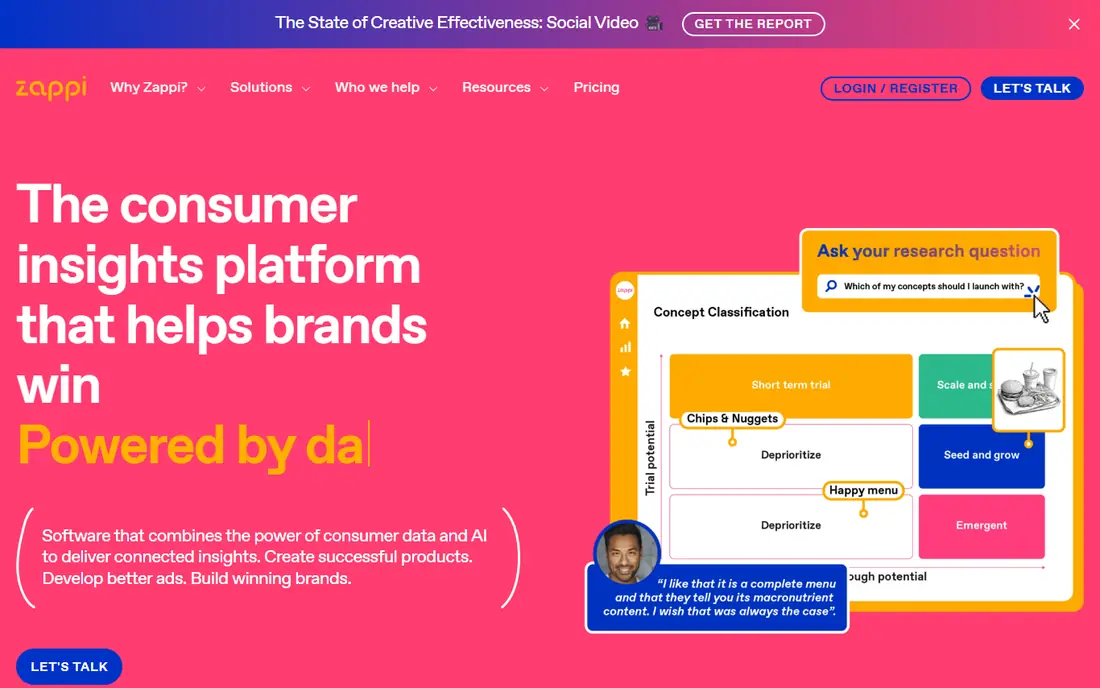
Zappi is built for innovation teams that test concepts often and need every result on the same scale. Its automated templates cover concepts, packs and creative, and its normative database helps a team judge a score against category history rather than in isolation. For a pipeline with many ideas, that repeatability is the main attraction.
Speed is the second reason teams choose Zappi. Once an account is set up, studies can return in days rather than weeks, which fits agile stage-gate work. The trade-off is that pricing requires a sales conversation, and highly custom research designs may fit less neatly into standard templates. If your team values comparable, repeatable scores above bespoke methods, Zappi is a strong first call.
- Automated concept, pack and ad testing
- Normative benchmarks for CPG categories
- Fast turnaround for established accounts
- Pricing is not published
- Standard workflows can feel rigid for bespoke studies
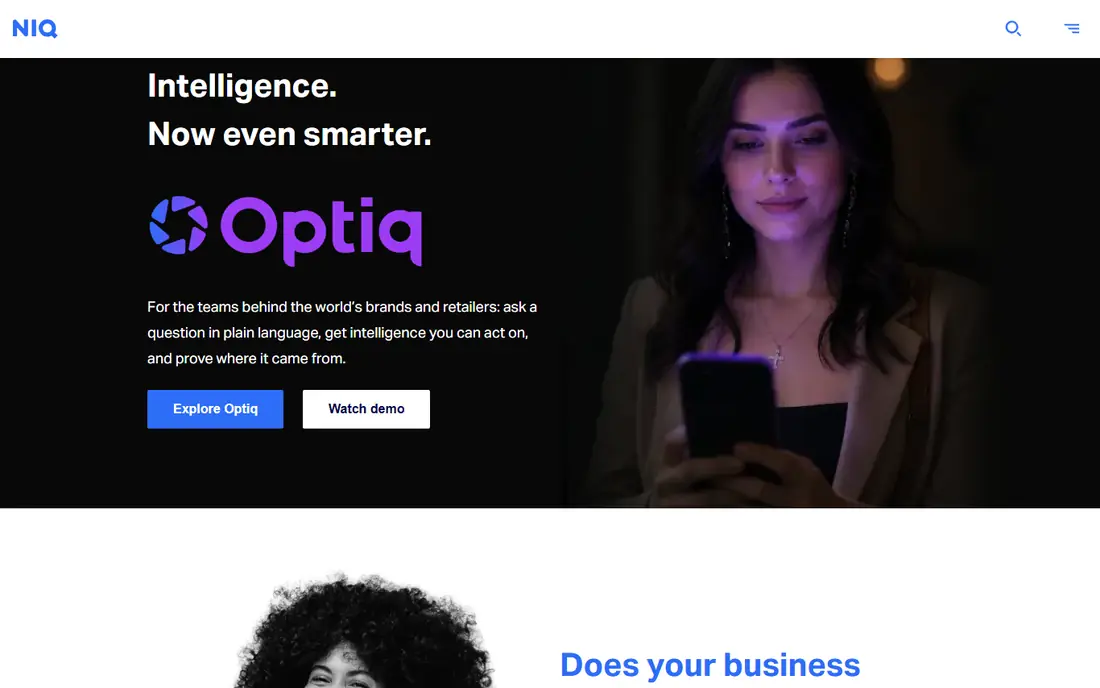
NielsenIQ BASES is the established gate for many large packaged goods launches. It combines concept testing with volumetric forecasting, so leaders get an estimated sales range rather than only a preference score. That forecast, built on a large base of past launches, is why some companies treat a BASES read as a required step before production spending.
The cost of that rigour is time and budget. A full study runs for weeks and is priced as a project or program, not as a self-serve subscription. Newer BASES AI screening tools aim to speed early idea checks, but they do not replace the full forecast for a major launch. Choose BASES when the decision involves real factory, distribution and media spending, and use a faster screener for earlier rounds.
- Long history of CPG launch forecasting
- Large normative database
- Newer AI screening tools for early ideas
- Full forecasting studies are slow and costly
- Not suited to quick early-stage iteration
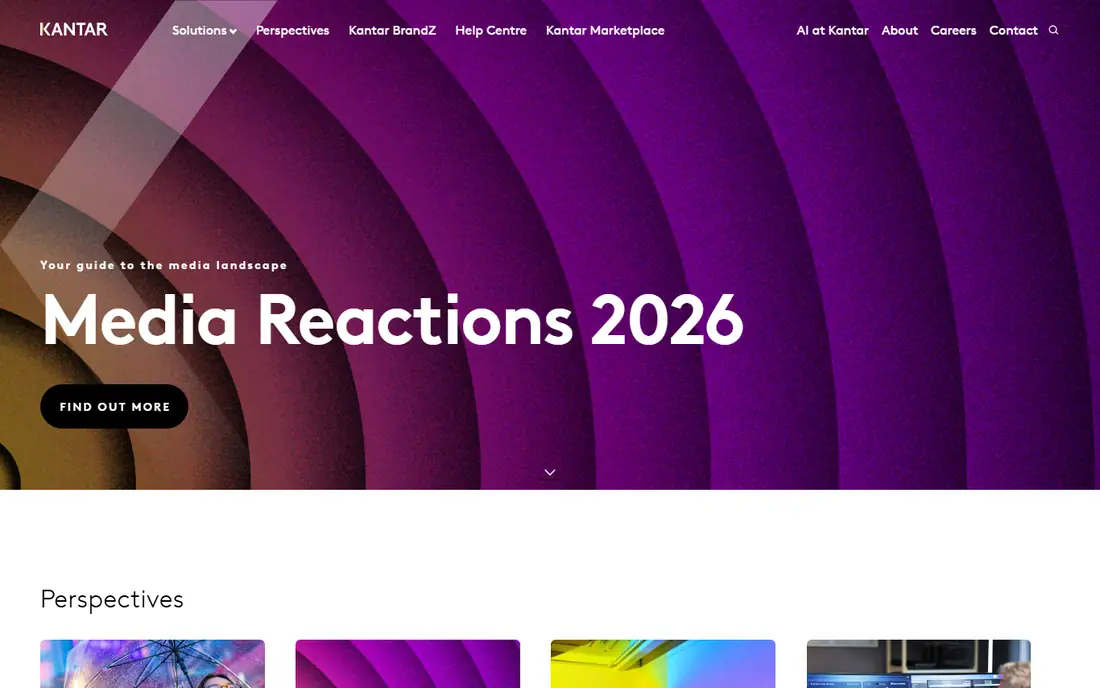
Kantar Marketplace brings Kantar methods into automated, self-serve style tests. Concept eValuate tests new product and service concepts with diagnostic measures, while related modules cover idea screening, pack design and price sensitivity. That range helps a team move from an early idea to a priced pack without switching vendors at each stage.
Country coverage is another strength, since the platform operates in many markets and draws on Kantar frameworks for brand and behaviour. The limits are familiar for enterprise research: pricing is quote-based, and the most tailored analysis still needs expert help. For global brands that want method depth with faster turnaround than a fully managed study, Kantar Marketplace sits in a useful middle ground.
- Automated idea, concept and pack tests
- Price sensitivity modules
- Broad country coverage
- Pricing is not published
- Deeper consulting work adds cost and time
Suzy combines survey-based concept testing with live qualitative research in one platform. A team can run a monadic concept test, then speak with consumers in a live session when a score alone does not explain the result. That blend helps CPG teams understand both which concept wins and why shoppers reacted as they did.
The panel is available on demand, so studies can start quickly, and the platform also supports pack, claim and usage testing. The main barrier is the subscription model, which suits teams running many studies a year better than a team with one launch. If your brand tests concepts, packs and creative throughout the year, Suzy can replace several separate vendors. For a single test, a per-study platform may cost less.
- On-demand verified consumer panel
- Quant surveys plus live interviews
- In-home usage testing options
- Annual subscription model can be costly for occasional use
- Pricing is not published on the site
Attest is a practical choice for challenger and mid-sized CPG brands that need reach without an enterprise research budget. Its panel spans many countries, and its templated concept testing modules help teams without a dedicated research function get a usable read quickly. Flat-rate pricing also makes budgeting more predictable than quote-based agency work.
The honest limit is depth. Attest gives a broad, survey-based view of appeal and purchase intent, rather than the detailed diagnostics or forecasting of BASES or Kantar. That is enough for screening and prioritisation, and for many smaller launches it is enough for a decision. For a launch backed by major capital spending, pair it with a deeper study before the final call.
- Large consumer panel across many countries
- Templated concept tests
- Published flat-rate pricing model
- Survey reads are broader than deep diagnostic studies
- Major capital decisions may need a second, deeper test
Upsiide, built by Dig Insights, takes a different approach to early screening. Consumers swipe through ideas in a mobile format, which feels closer to a shelf decision than a long rating scale. A single study can screen up to dozens of concepts, and its market simulator models share, cannibalisation and incrementality across the set.
That portfolio view is valuable when a team must choose a small range from a large idea pool. The trade-off is depth on any single concept, since the format is designed for ranking rather than rich diagnosis. Teams that need to know why a winner won should add a qualitative or diagnostic layer after screening. For the first cut of a large pipeline, Upsiide is efficient and easy for non-researchers to read.
- Mobile swipe format that mimics shelf choice
- CPG templates for flavours, packs and claims
- Portfolio-level share modelling
- Built for breadth across many concepts, not depth on one
- Pricing is project or subscription based
Qualtrics is an enterprise experience platform that many large companies already use for surveys, and its concept testing tools sit inside that wider system. Teams can design monadic and sequential tests, apply advanced statistics, and build dashboards that update as results arrive. Integrations with panels and business systems help when concept results must feed a wider product process.
The strength of Qualtrics is flexibility, and that is also its demand on the buyer. It works best with research skill in house, since templates alone do not replace study design, sampling and analysis choices. Pricing is enterprise and quote-based, so smaller brands may find a CPG specialist cheaper for a single test. For a large company that wants one research platform across many uses, Qualtrics is a credible core choice.
- Advanced survey design and analytics
- Audience targeting and global reach
- Dashboards and integrations
- Enterprise pricing and setup effort
- Learning curve for teams without research experience
Highlight fills a gap that online concept tests cannot cover, since shoppers react differently when they actually use a product at home. The platform ships physical products to testers and collects feedback on taste, texture, scent, pack handling and everyday use. That evidence matters for food, drink, personal care and household goods, where a board concept can hide a real usage problem.
Physical testing takes longer than a digital screen, and logistics add cost, so Highlight is not the tool for screening hundreds of early ideas. Its value appears later, when a shortlist needs real-world validation before launch. Teams that pair a fast online screener with Highlight for finalists get both speed and usage evidence. Check current pricing and timelines with the vendor, since both depend on product type and sample size.
- In-home testing with real products
- Strong fit for physical CPG goods
- Feedback on use, not only concept boards
- Physical testing is slower than online concept screens
- Pricing is quote-based
How we picked these
We compared vendor feature pages, published CPG case material and third-party roundups that describe how each platform handles concept, pack and claim testing. We kept only platforms with a clear CPG use, whether through category norms, CPG templates, physical product testing or launch forecasting. General survey tools without a CPG track record were left out, even when they can run a concept survey.
We did not claim hands-on testing that did not happen. Pricing is quote-based for most enterprise platforms here, so we wrote See website rather than copying third-party estimates that may be out of date. Readers should confirm scope, sample, markets and turnaround in a vendor call before signing.
How to choose a concept testing platform for a CPG brand
Start by naming the decision the test must support. Early screening needs speed and ranking, pack and claim work needs realistic stimuli, and a major launch needs forecasting or in-home validation. A platform that excels at one stage may be weak at another, so match the tool to the stage rather than buying one tool for every stage.
Next, check the sample and benchmarks. Ask which category buyers the panel reaches, how many markets are covered, and whether scores are compared with category norms or only with other concepts in the same study. Finally, agree on cost structure before fieldwork. Per-study pricing suits occasional tests, while an annual licence suits teams that test all year. A pilot test with one real concept will show whether reports are clear enough for the people who must act on them.
Frequently asked questions
What is concept testing for CPG companies?
Concept testing shows a new product idea, pack or claim to target shoppers before launch and measures appeal, understanding and purchase intent. For packaged goods, it often includes pack visuals, flavours, claims and price points, since shelf impact matters as much as the idea itself. Results help teams drop weak ideas early and improve winners before spending on production and distribution.
How much does CPG concept testing cost?
Costs vary widely, from self-serve survey tests to large forecasting programs that run into six figures. Most enterprise platforms in this list use quote-based pricing tied to sample size, markets, stimuli and analysis depth. Ask vendors for a price on the same brief, including panel, incentives, reporting and any follow-up analysis, so quotes stay comparable.
Is online concept testing enough for a food or drink launch?
Online testing is good for screening ideas, packs and claims, but it cannot fully predict taste, texture or at-home use. Many food and drink teams add in-home usage testing for finalists, which is where a platform such as Highlight helps. The online read narrows the field, and the physical test checks whether the product itself delivers on the concept.
What is the difference between concept testing and a sales forecast?
Concept testing measures shopper response, while a sales forecast such as NielsenIQ BASES turns that response, plus distribution and marketing plans, into an estimated sales range. A strong concept score does not guarantee strong sales if distribution is weak or the price is wrong. Use concept scores for prioritisation and forecasts for investment decisions.
How long does CPG concept testing take?
Automated online tests can return results in days once a study is set up, while managed studies and physical product tests take longer. Forecasting programs take the longest, often several weeks, because they need deeper analysis and modelling. Build the timeline into the launch plan, and confirm fieldwork and reporting dates in writing before the study starts.
Sources
See where you really rank - block by block
ProMapRanker scans Google Maps across a grid of your service area. Simple monthly plans from $19, white-label on every plan.
Start freeKeep reading
 zeffy payment processor stripe alternatives
Zeffy and Stripe Alternatives for Nonprofits in 2026
Explore zeffy payment processor stripe alternatives for nonprofits. We compare 8 fundraising platforms on fees, donor tools, and nonprofit focus. Check fees.
Read → workday alternatives
Workday Alternatives in 2026
Workday alternatives compared: we review 8 HR and payroll platforms that replace Workday, with pricing, strengths and honest limits for each team size.
Read → what's the best weather app
What's the Best Weather App in 2026
Wondering what's the best weather app? We compare 10 free and paid apps for forecasts, radar, alerts, and Colorado mountain weather for everyday and storm use.
Read →