 ProMapRanker
2026 Guide to the Best CMS Platforms for SEO Performance


Complicated, structured enterprise sites · Pricing starts at: See website
Direct answer
Start with Drupal if you need complicated, structured enterprise sites. Listed starting prices: Webflow from $15 per month, Sanity from $15 per seat per month and Storyblok from $99.00 per month. Webflow is the stronger choice for design-led sites with built-in optimization, while Joomla suits adaptable open source site building. The remaining 3 options are covered below with prices and limits.
ProMapRanker put together this guide to CMS platforms for SEO performance for readers who want a clear shortlist without reading every vendor page. It compares 6 tools on starting price, free plans, who each one suits and where each one falls short.
Key takeaways
- Drupal sits first on this list: complicated, structured enterprise sites.
- One limit worth knowing about WordPress: SEO quality relies on setup.
- Starting prices begin at $15 per month with Webflow.
- Webflow, Sanity: these are the 2 tools out of 6 that offer a free plan.
Quick comparison
| Pick | Great for | Pricing starts at | Free tier | |
|---|---|---|---|---|
| Drupal | Complicated, structured enterprise sites | See website | Not stated | Visit |
 Webflow | Design-led sites with built-in optimization | $15 per month | Yes | Visit |
 Joomla | Adaptable open source site building | See website | Not stated | Visit |
 WordPress | Wide SEO control and plugin adaptability | See website | Not stated | Visit |
 Sanity | Structured content for headless builds | $15 per seat per month | Yes | Visit |
 Storyblok | Headless CMS with visual editing | $99.00 per month | Free trial | Visit |
Every option for CMS platforms for SEO performance explained
Drupal is built with complicated, structured enterprise sites in mind. It is recognized for flexible content modeling, granular permissions and scalability, which fits large organizations, government sites and publishers with demanding editorial workflows.
As for the details, teams with developer resources can shape URLs, metadata and markup closely. WordPress or a hosted system like Webflow can be a lighter starting point for more straightforward sites. This comparison lists no price for Drupal; ask the vendor. Trial and free access: Not stated.
Trade-offs to know: Steeper ramp-up time.
- Solid access control
- Solid content modeling
- Needs more technical resources
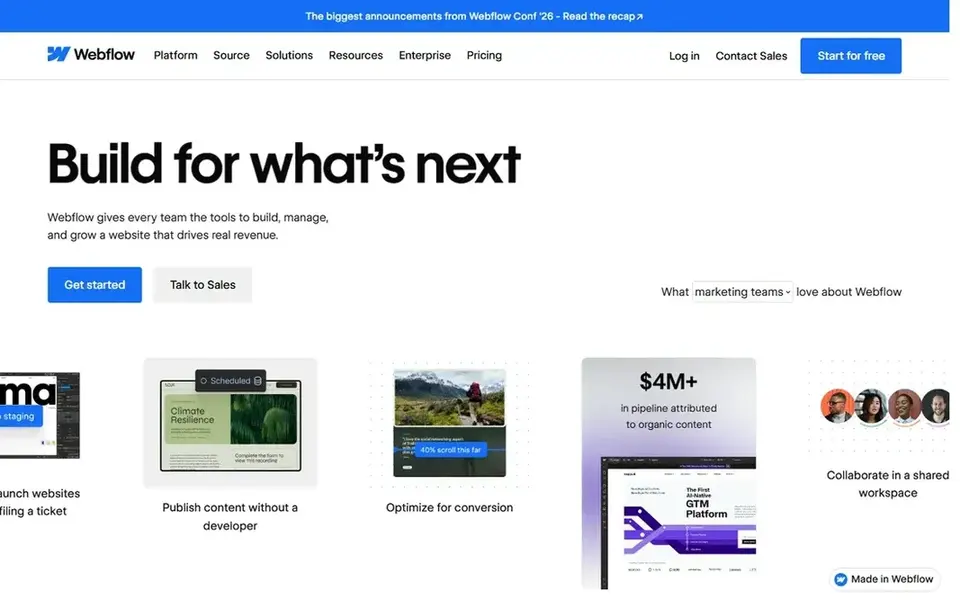
Webflow makes the most sense for design-led sites with built-in optimization. Webflow is a visual web system for designing, building, optimizing and ranking sites, with CMS, hosting and answer engine optimization built in.
It fits marketing and design teams that want precise visual control without hand-coding, whereas keeping structured content and clean page output. Entry price for Webflow: $15 per month. Webflow includes a free tier.
Drawbacks to consider: Less plugin-level SEO customization.
Where Webflow stands out: CMS.
- Enterprise-grade security features
- Hosting and AEO built in
- Ramp-up time for advanced features
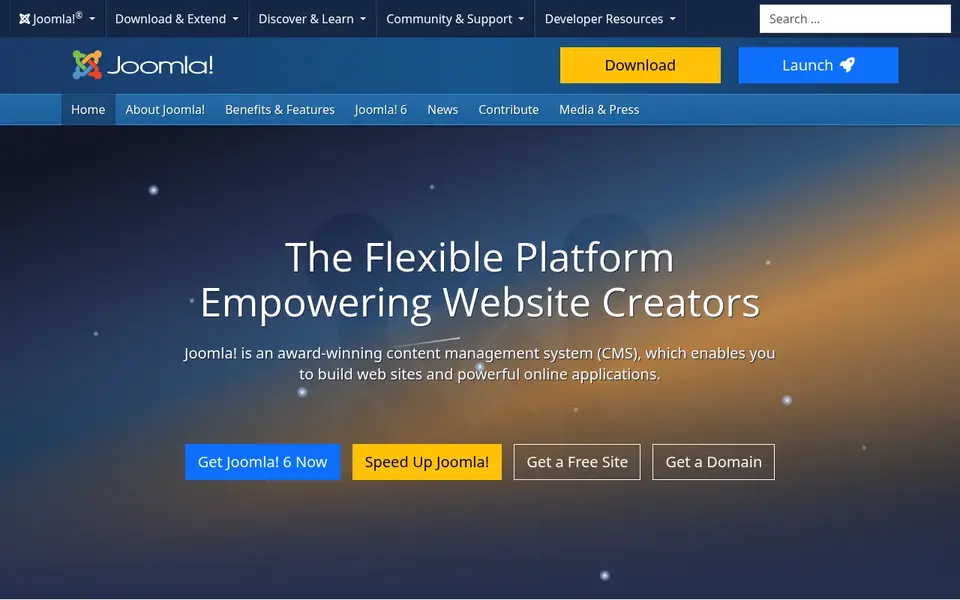
In short, Joomla is for adaptable open source site building. Its SEO extension ecosystem is smaller than WordPress, and extension quality varies, so technical SEO frequently needs manual attention.
Where it falls short: Smaller SEO plugin ecosystem.
Joomla shows no starting price here, so confirm the cost on the vendor site. As for free access: Not stated.
- Mobile-ready and approachable
- Thousands of features and designs
- Extensions vary in quality
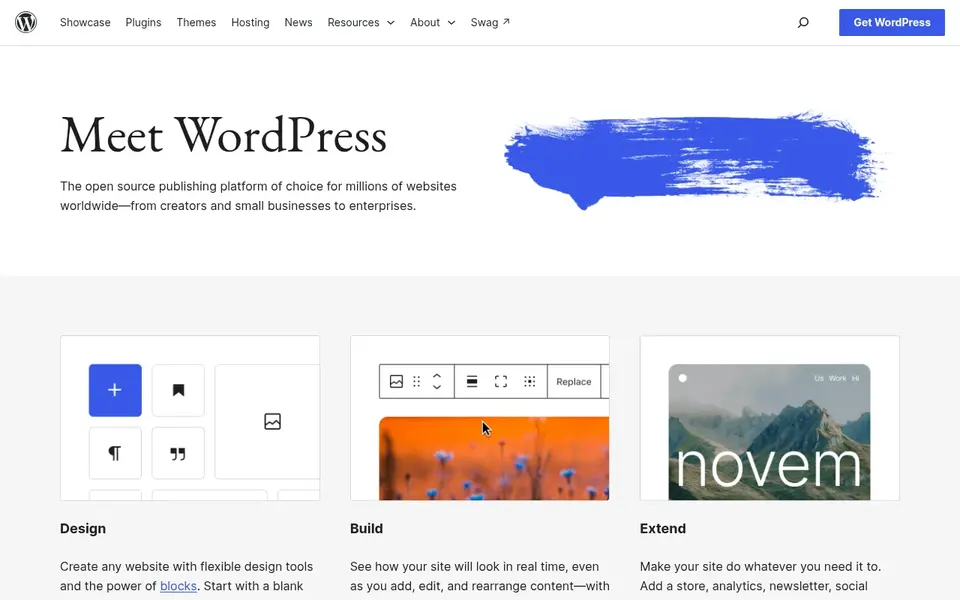
WordPress was built for wide SEO control and plugin adaptability. Its strength for SEO is adaptability: content types, permalink control and a deep plugin ecosystem let teams tune metadata, sitemaps and structured markup.
Trade-offs to know: Plugin conflicts can affect performance.
It suits publishers, marketers and small firms that want practical control and are comfortable managing plugins and themes themselves. Check the vendor site for WordPress pricing; none is listed in this comparison. As for free access: Not stated.
- Large plugin ecosystem for SEO
- Open source and widely documented
- SEO quality relies on setup
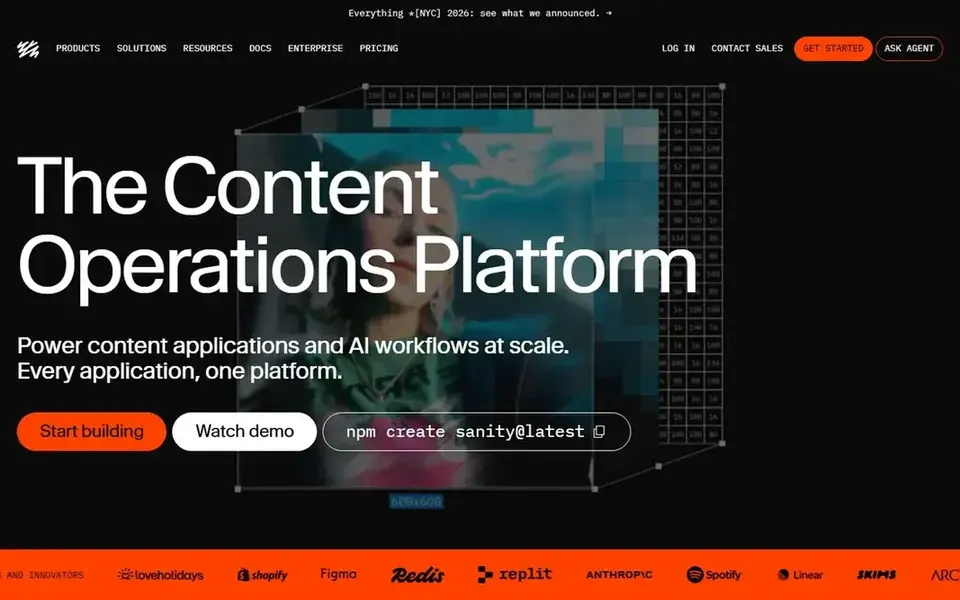
Choose Sanity for structured content for headless builds. Structured content makes it simpler to handle metadata and reusable fields consistently across pages.
That needs development resources and planning. Teams wanting SEO tooling ready from day one may prefer WordPress or Webflow. The starting price for Sanity: $15 per seat per month. Sanity includes a free tier.
Watch-outs: Needs development work.
- Structured content system
- Supports modern front-end frameworks
- SEO relies on front-end setup
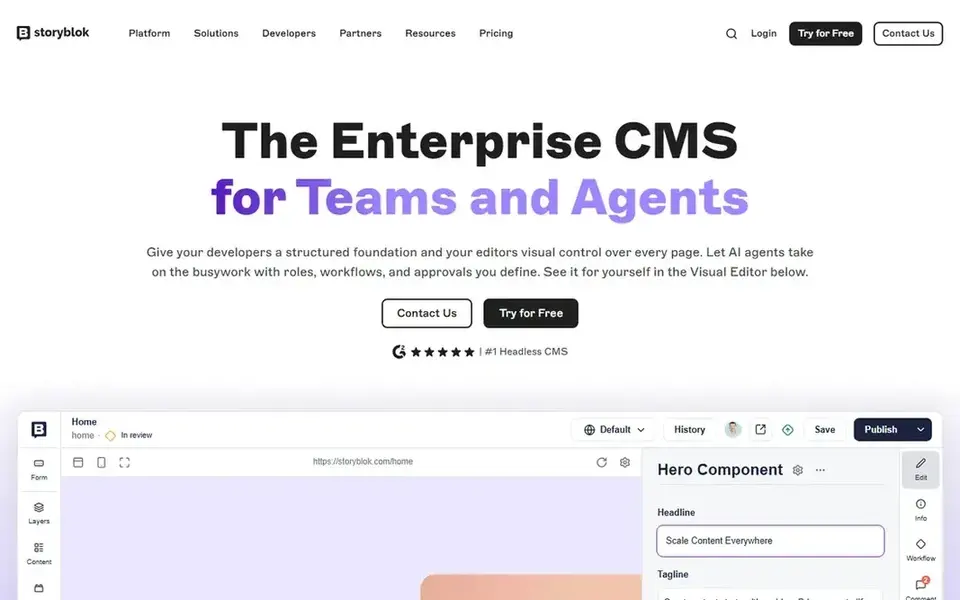
Think of Storyblok for headless CMS with visual editing. WordPress or Webflow can be more straightforward for SEO-focused sites.
Also, as with other headless systems, SEO elements for example metadata rendering, sitemaps and redirects are handled in the front end, so results rely on implementation. In practice, teams without development support may find setup demanding. Entry price for Storyblok: $99.00 per month. On free options: Free trial.
Downsides: Needs development setup.
- Headless architecture
- Decent developer and marketer collaboration
- SEO relies on front-end build
How these tools were picked
The comparison looks at four things: starting price, free access, how well the feature set matches CMS platforms for SEO performance, and the main limit of each tool. Treat prices as a snapshot: vendors change plans often, so check the vendor site for the figure that applies today. Position on the page reflects fit for a typical buyer first, with price clarity and free access breaking ties. Treat it as a guide, not a ruling.
Pre-purchase checklist
- Get a written quote from Drupal, Joomla and WordPress; the list shows no starting price for them.
- Look at free plan limits closely: Webflow and Sanity have one, and the caps decide whether it is usable for real work.
- Use real work to test the free trial from Storyblok, rather than a demo project.
- Read the limits listed for Drupal first: steeper ramp-up time.
- Look at the help docs and support options for Drupal before you commit.
- Check whether Joomla bills monthly or annually, and what cancelling early costs.
Frequently asked questions
Do these tools publish their prices?
Not all of them. Drupal, Joomla and WordPress publish no starting price, so expect a quote request for those. The rest, Webflow included, show a starting price, though seats and billing terms still change the final cost.
Is Drupal the right pick for everyone comparing CMS platforms for SEO performance?
No single tool suits every team. Drupal comes first because it fits complex, structured enterprise sites, while Webflow suits design-led sites with built-in optimization and Joomla suits flexible open source site building. Match the tool to your own size, budget and workflow before deciding.
Which CMS is a good match for SEO performance overall?
This list starts with Drupal, which fits complex, structured enterprise sites. For other needs, Webflow is aimed at design-led sites with built-in optimization, and Joomla at adaptable open source site building. Check each tool's price and main limit first.
How are the tools for CMS platforms for SEO performance ordered?
Drupal sits first and Storyblok last because the order follows typical fit for CMS platforms for SEO performance, then price clarity and free access. It is a judgement call, so read each profile for fit and limits.
Can I try these tools before paying?
Often, yes. Webflow and Sanity have a free plan and Storyblok offers a free trial. Use your own data and a real task during the test, and check what the free tier or trial limits before you rely on it.
Are headless CMS systems a decent match for SEO?
Metadata, sitemaps and redirects must be implemented there. They work well when a team has development support and needs structured, reusable content.
Sources
See where you really rank - block by block
ProMapRanker scans Google Maps across a grid of your service area. Simple monthly plans from $19, white-label on every plan.
Start freeBrowse all guides
← Software for Automating Schema Markup: Best Picks of 2026Best Image Optimization Service for Blogs in 2026 →
 best seo tools for therapists
Top 6 SEO Tools for Therapists, Compared on Price (2026)
6 products for the best SEO tools for therapists, ranked by fit, with starting costs and free tiers. Clear notes on pricing gaps and limits. Choose faster.
Read → best seo tools for freelancers
SEO Tools for Freelancers: Best Picks of 2026
Weighing the best SEO tools for freelancers? We lined up 6 products by cost, free access and fit. The catches are listed up front. Current for November 2026.
Read → best seo platform for ai-driven agency work
Best SEO Platform for Ai-Driven Agency Work in 2026
5 tools for the best SEO platform for ai-driven agency work, compared on pricing, free plans and best-fit use. Plain-spoken summaries throughout. Facts only.
Read → image seo
Image SEO: A Complete Guide
Everything you need to know about image seo: what it is, why it matters for local SEO, and exactly how to act on it.
Read → localized keyword
Localized Keyword: A Complete Guide
Everything you need to know about localized keyword: what it is, why it matters for local SEO, and exactly how to act on it.
Read → seo website relaunch
SEO Website Relaunch: A Complete Guide
Everything you need to know about seo website relaunch: what it is, why it matters for local SEO, and exactly how to act on it.
Read →More in SEO Tools · All guides A to Z by date · Latest guides