 ProMapRanker
Best AI Platforms for Real-Time Threat Detection


Large estates that need network-first AI detection · Pricing starts at: quote only
Key takeaways
- CrowdStrike Falcon Pro is the only platform here with public per-device pricing, at $99.99 per device per year billed annually, which makes it the easiest to budget for a small fleet.
- Darktrace, Vectra AI, ExtraHop, Corelight and Cortex XDR sell by quote, so expect a scoping call and a contract minimum before you see a number.
- SentinelOne Singularity Complete lists at $179.99 per endpoint per year, with a higher Commercial tier at $229.99, both sold through authorised partners.
- Real-time detection depends on where the sensor sits, so network, endpoint and cloud coverage matter more than the marketing name of the AI model.
- Trial access varies widely, so confirm a proof of concept, data retention and contract length before you sign.
Quick comparison
| Pick | Great for | Pricing starts at | Free tier | |
|---|---|---|---|---|
| Darktrace | Large estates that need network-first AI detection | quote only | No | Visit |
 CrowdStrike Falcon | Teams that want cloud-native endpoint detection with public pricing | $99.99 per device/year (Pro, billed annually) | Free trial (15 days) | Visit |
 SentinelOne Singularity | Teams that want autonomous response and ransomware rollback | $179.99 per endpoint/year (Complete) | No | Visit |
 Vectra AI | Security teams that need attack signal triage across network and cloud | quote only | No | Visit |
 Microsoft Sentinel | Organisations already invested in Microsoft 365 and Azure | quote only | No | Visit |
 Palo Alto Networks Cortex XDR | Enterprises that want endpoint, network and cloud detection in one console | quote only | No | Visit |
 ExtraHop RevealX | Teams that need network detection from packet data | quote only | No | Visit |
 Corelight | Security teams that want open network evidence and Zeek data | quote only | No | Visit |
The best AI platforms for real-time threat detection
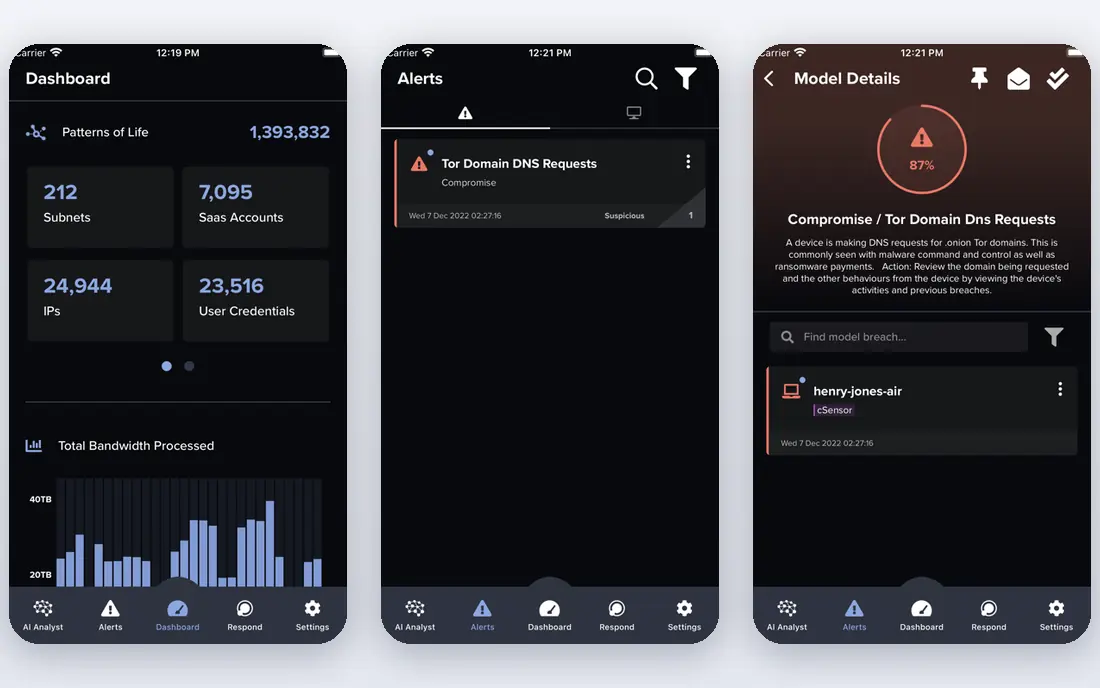
Darktrace builds a picture of normal behaviour for every device, user and service on a network, then flags activity that breaks that pattern. That approach catches novel attacks that signature lists miss, and it works across network traffic, email, cloud workloads and endpoints. The platform groups related alerts into one incident, which cuts the noise that fills a security queue on a busy day. For a large estate with mixed systems, that breadth is the main draw.
The trade-off is cost and complexity. Darktrace does not publish list pricing, and buyers usually negotiate a custom quote after a scoping call or a proof of concept. Contracts commonly run one or three years, and multi-year deals tend to bring lower per-device rates. The platform also needs time to learn the environment before its alerts reach full accuracy, so the first weeks produce more tuning work than the months that follow. Teams that want a fixed number on a pricing page will find that frustrating, but teams with a large and varied estate often accept it.
- Learns normal behaviour for each device and user, so it can flag new attacks without signatures
- Covers network, email, cloud and endpoints in one platform
- No public list price, so budgeting needs a sales conversation
- Modules are priced separately, which can push the total up fast
CrowdStrike Falcon
Great for: Teams that want cloud-native endpoint detection with public pricing
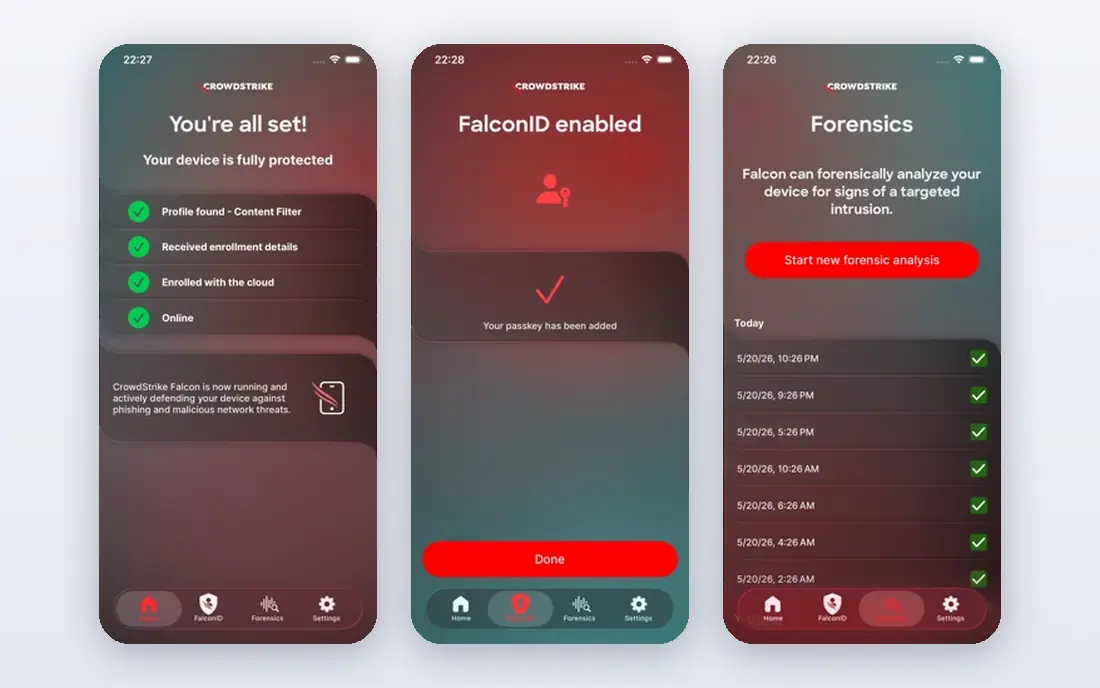
CrowdStrike Falcon is the most transparent platform in this group on price. Falcon Go starts at $59.99 per device per year billed annually, Falcon Pro at $99.99, and Falcon Enterprise at $184.99. Each tier adds capability, and the top tier is the first self-service option that includes full endpoint detection and response plus threat intelligence and hunting. The agent is cloud native, so there is no on-site server to maintain, and updates arrive without a rebuild of the deployment.
For a buyer, the clear pricing is a real advantage, because it makes a first-year budget easy to model. A fleet of 50 devices on Falcon Pro costs about $5,000 a year at list price, before any discount. The catch is the tier ladder. A team that buys Pro for the price and then finds it needs full detection and response must step up to Enterprise, which nearly doubles the per-device cost. Managed detection and response, sold as Falcon Complete, is quote only. Small teams should also note that the self-service tiers cap at 100 devices, so a growing fleet moves into sales-led pricing.
- Publishes per-device pricing for Go, Pro and Enterprise tiers
- A single lightweight agent covers detection, firewall management and threat intelligence
- Full endpoint detection and response sits in the Enterprise tier, not in Go or Pro
- Higher modules and managed services need a sales conversation
SentinelOne Singularity
Great for: Teams that want autonomous response and ransomware rollback
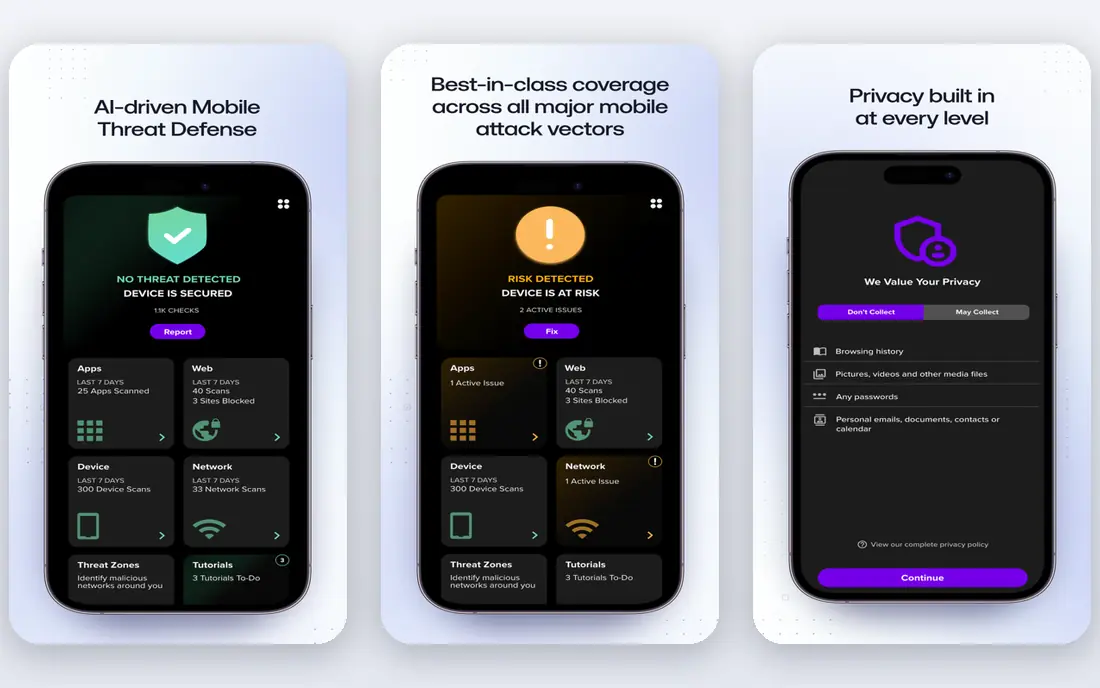
SentinelOne Singularity pairs detection with autonomous response. When it spots malicious behaviour, it can isolate the device, kill the process and roll back files changed by ransomware, all without waiting for an analyst to click a button. That matters most for small teams, where an alert at 2 a.m. might otherwise sit unread until morning. The platform also covers cloud workloads and identity, so one console can watch endpoints, servers and cloud accounts together.
Pricing is public for two tiers. Singularity Complete lists at $179.99 per endpoint per year and includes AI-driven detection and response, 14-day data retention and an AI security assistant. Singularity Commercial lists at $229.99 per endpoint per year and adds identity detection and response, 90-day retention and managed threat hunting. The published figures apply to deployments of 5 to 100 workstations, and purchases go through an authorised partner. The top Enterprise tier, which adds an agentic AI analyst for automated triage, is sold by quote only.
- Responds on its own to isolate a device and roll back encrypted files
- Publishes annual per-endpoint pricing for two tiers
- Sold through authorised partners, not direct
- The top Enterprise tier with an agentic AI analyst is quote only
Vectra AI
Great for: Security teams that need attack signal triage across network and cloud
Vectra AI watches attacker behaviour rather than individual alerts. It tracks how an attacker moves through a network, from the first compromised account to lateral movement and data access, then turns that chain into one prioritised signal. That approach helps teams that drown in alerts from separate tools, because one clear signal replaces dozens of low-value warnings. Coverage spans network traffic, identity systems and cloud workloads, which suits hybrid estates.
The platform is quote only, and pricing depends on the size of the environment and the modules chosen. Buyers should expect a scoping call and a proof of concept before a number appears. Vectra AI is also a detection layer, not a full endpoint suite, so most buyers pair it with an endpoint product and a SIEM. That is fine for a team that already owns those pieces, but it means the total cost of the stack is higher than the Vectra AI quote alone.
- Correlates attacker behaviour across network, identity and cloud into one prioritised signal
- Reduces alert volume for busy teams
- No public pricing, so every quote needs a scoping call
- Works best as part of a wider stack, not as a standalone tool
Microsoft Sentinel
Great for: Organisations already invested in Microsoft 365 and Azure
Microsoft Sentinel is a cloud-native SIEM, which means it collects logs and alerts from across an estate, applies AI analytics to spot attacks, and automates common responses. Its strength is the link to the rest of the Microsoft stack. Defender alerts, Entra ID sign-in data and Azure activity flow in without extra connectors, and the built-in automation can isolate a device or disable an account as soon as a rule fires. For a team that already runs Microsoft 365, that integration saves a lot of connector work.
The pricing model is the part to study. Sentinel charges by the volume of data ingested, so a noisy environment costs more than a quiet one, and the monthly bill moves with log volume. Microsoft does not publish a single flat starting price, so buyers should model ingestion from their current log sources before they commit. The platform also rewards tuning skill. Out of the box it collects a lot, and a team that never trims its data sources will pay for noise. With care, it is a strong fit for Microsoft-heavy estates.
- Cloud-native SIEM with AI analytics and automation built in
- Deep links to Microsoft Defender and Azure data
- Pricing is consumption based on data ingested, so monthly bills vary
- Needs tuning skill to keep costs and noise down
Palo Alto Networks Cortex XDR
Great for: Enterprises that want endpoint, network and cloud detection in one console
Cortex XDR pulls endpoint, network, cloud and identity data into one timeline, so an analyst can follow an attack from the first alert to the last affected system without switching tools. The platform automates containment actions, such as isolating a host or blocking a malicious process, and it draws on Palo Alto threat intelligence for context on what it finds. For a large enterprise, that single-timeline view shortens investigations in a way that separate tools cannot match.
The price is quote only, and the platform is aimed at enterprises rather than small teams. Buyers should expect a contract minimum and a sales-led process, and the best results come when Cortex XDR is deployed broadly, which takes planning and time. A team that only needs endpoint protection will find cheaper and simpler options in this guide. A team that already runs Palo Alto firewalls and wants one investigation surface will find the integration hard to beat.
- Unifies endpoint, network, cloud and identity data for one investigation timeline
- Strong automation for containment
- Quote-only pricing with contract minimums
- Full value needs broad deployment across the Palo Alto stack
ExtraHop RevealX works at the packet level. It decrypts network traffic, analyses it in real time, and flags attacks that never touch an endpoint agent, such as lateral movement between servers or data leaving over an unusual channel. Because it sees the actual traffic, it can give an analyst the full evidence of what happened, not just an alert that something happened. That depth makes it popular with teams that investigate incidents seriously.
RevealX is quote only, and its price depends on the throughput and the size of the network it watches. It is also a network product, so it does not replace endpoint protection. Most buyers run it beside an endpoint platform and a SIEM, which means the total stack cost is higher than the RevealX quote alone. For a team that already has endpoint coverage and wants to close the network blind spot, it is a focused and capable choice.
- Decrypts and analyses network traffic in real time, including encrypted flows
- Gives full packet-level evidence for investigations
- No public pricing
- Network-only view, so it needs an endpoint tool beside it
Corelight
Great for: Security teams that want open network evidence and Zeek data
Corelight turns network traffic into structured evidence using Zeek, the open-source network analysis framework. The result is a detailed record of connections, DNS queries, file transfers and certificates that feeds into a SIEM or a detection platform. Because the data is open and portable, teams are not locked into one vendor format, and they can build their own detections on top of it. That openness is the main reason skilled teams choose Corelight over a closed network sensor.
The trade-off is that Corelight is a sensor and evidence layer, not a finished detection console. It needs analysts who can work with network data, and most buyers pair it with a SIEM or an XDR platform. Pricing is quote only and depends on the sensors and throughput required. For a team with the skills to use it, the evidence quality is excellent. For a team that wants alerts with no extra work, a more packaged platform will fit better.
- Built on open-source Zeek, so the network evidence is rich and portable
- Integrates with SIEM and detection tools teams already run
- Quote-only pricing
- Aimed at skilled teams, so it needs analysts who can work with network data
How we chose
We compared vendor pricing pages, product documentation and feature lists for each platform, and we checked which prices are published and which are quote only. We looked at coverage across endpoint, network, identity and cloud, at response automation, and at trial access. We did not run hands-on tests, and we did not accept vendor claims about detection rates without a source. Prices were checked on the vendor pricing pages linked in Sources, and quote-only products are marked as such rather than given an estimated figure.
What to check before you buy
| Team size | First pick | Why it fits | Watch for | | Up to 25 endpoints | CrowdStrike Falcon Pro | Public price, fast cloud setup | Full detection and response needs the Enterprise tier at $184.99 per device per year | | 25 to 500 endpoints | SentinelOne Complete | Autonomous response and rollback | Partner-only sales, and the top tier is quote only | | 500 plus endpoints | Darktrace or Cortex XDR | Network plus endpoint coverage at scale | Contract minimums and a sales-led quote process | | Microsoft-heavy estate | Microsoft Sentinel | Native links to Defender and Azure | Consumption billing moves with log volume |
Check data retention on every tier, because short retention limits how far back an investigation can reach. Confirm whether managed detection and response is included or a quoted add-on, and ask what the contract minimum is before you plan a budget. Confirm trial terms in writing, including how long a proof of concept runs and what data it can see. Finally, check which integrations are included and which need a higher tier, because a missing SIEM connector can add cost after the purchase.
Frequently asked questions
What is real-time threat detection?
Real-time threat detection means a platform spots malicious activity as it happens, rather than in a later scan or a daily report. It uses sensors on endpoints, in the network and in the cloud to watch behaviour continuously, then raises an alert within seconds or minutes. The value is speed. A fast alert lets a team isolate a device before an attacker moves further, while a slow alert often arrives after the damage is done.
How much does AI threat detection cost?
Public prices in this guide run from $59.99 per device per year for CrowdStrike Falcon Go to $229.99 per endpoint per year for SentinelOne Commercial. Most enterprise platforms, including Darktrace, Vectra AI and Cortex XDR, are quote only, and buyers commonly see contract minimums in the tens of thousands of dollars a year. Always ask for the full first-year total, including any managed service add-on.
Do I need network detection if I already have endpoint protection?
Endpoint protection sees what happens on a device, but it cannot see traffic between servers, attacks on unmanaged devices, or data leaving over the network. Network detection fills those gaps by watching the traffic itself. Teams with servers, IoT devices or cloud workloads usually need both, while a small office with only managed laptops can often start with endpoint protection alone.
Can a small team run these platforms?
Yes, but the fit varies. CrowdStrike Falcon Pro and SentinelOne Complete suit small teams because they need little tuning and respond on their own. Quote-only enterprise platforms usually need more staff time for deployment and tuning, and their contract minimums can exceed a small budget. A small team should favour a platform with a public price, a trial and autonomous response.
What is the difference between EDR and XDR?
EDR, endpoint detection and response, watches only endpoints such as laptops and servers. XDR, extended detection and response, adds network, cloud, email and identity data to the same investigation timeline. XDR gives a fuller picture of an attack, but it costs more and takes longer to deploy. A team should buy EDR when endpoints are the main risk, and XDR when attacks could cross several parts of the estate.
Sources
See where you really rank - block by block
ProMapRanker scans Google Maps across a grid of your service area. Simple monthly plans from $19, white-label on every plan.
Start freeKeep reading
 best chimney sweep software
Best Chimney Sweep Software: 8 Tools Compared
Compare the best chimney sweep software for scheduling, quotes and invoicing. See starting prices, free trials and the right pick for your crew size now.
Read → best childcare management software
Best Childcare Management Software
Compare the best childcare management software for centres and preschools, with billing, attendance, parent messaging, and learning tools in one clear guide.
Read → best channel manager software for hotels
Best Channel Manager Software for Hotels
Compare the best channel manager software for hotels in 2026, with real prices, channel counts and PMS links, so you can stop double bookings and sell rooms.
Read →