 ProMapRanker
Best Advertising Platforms in 2026

Key takeaways
- Google Ads is the best starting platform for most businesses, because it reaches people actively searching for a product or service.
- Meta Ads across Facebook and Instagram offer the broadest social reach and the most flexible targeting for consumer and ecommerce offers.
- LinkedIn Ads cost more per click but reach buyers by job title and company, which suits business-to-business offers.
- Amazon Ads reach shoppers close to purchase, which makes them strong for brands that sell on that marketplace.
- Every platform on this list is free to open an account on, but you pay for ad spend, so budget and creative quality matter more than the signup cost.
Quick comparison
| Pick | Great for | Pricing starts at | Free tier | |
|---|---|---|---|---|
 Google Ads | search intent and shopping | Free | Yes | Visit |
 Meta Ads | consumer and ecommerce reach | Free | Yes | Visit |
 TikTok Ads | short video discovery | Free | Yes | Visit |
 Amazon Ads | shoppers ready to buy | Free | Yes | Visit |
 Microsoft Advertising | lower-cost search reach | Free | Yes | Visit |
 LinkedIn Ads | business buyers by job title | Free | Yes | Visit |
 Pinterest Ads | visual discovery and shopping | Free | Yes | Visit |
 Snapchat Ads | younger mobile audiences | Free | Yes | Visit |
The best advertising platforms
Advertising platforms differ in where your audience spends attention, how targeting works, and what you pay for. The eight platforms below cover search, social, shopping, and video, so most businesses can build a sensible mix from this list alone.
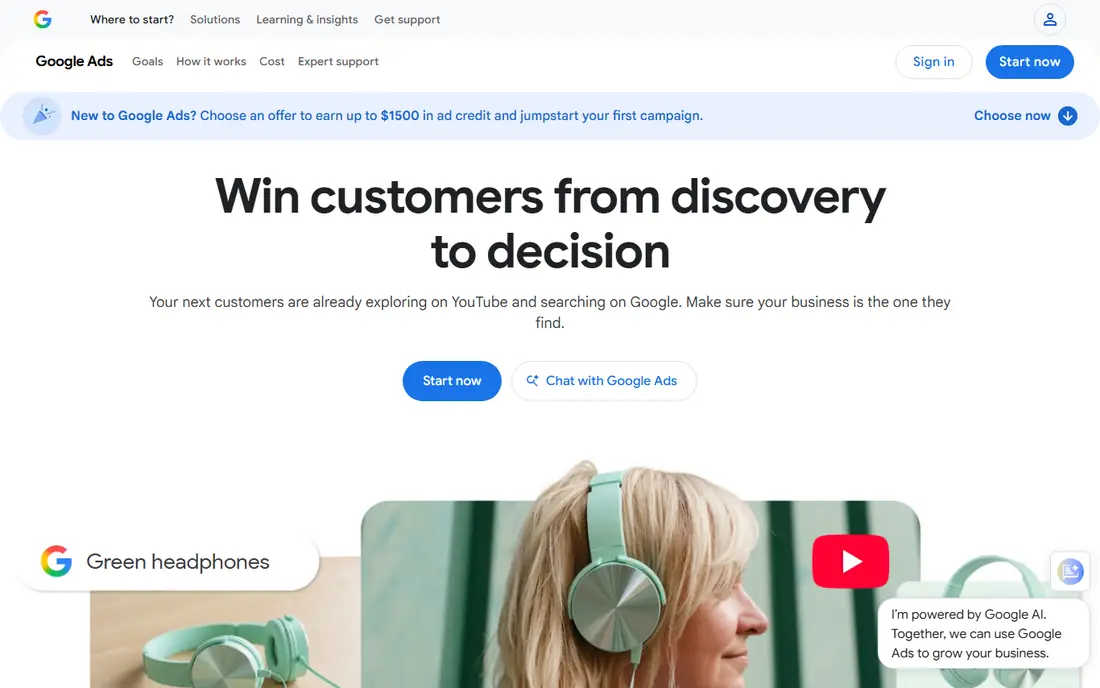
Google Ads is our pick for most businesses because it captures intent. When someone searches for a plumber, a pair of shoes, or a software tool, an ad can appear at that exact moment, which is a stronger signal than an interest or a scroll. The same account also runs shopping ads, YouTube video ads, and display ads across a large network, so a small business can start with search and expand later.
Costs are auction-based, so popular keywords in competitive markets can run several dollars per click, and a poorly set campaign can spend fast. Google's automated bidding and AI tools help, but they work best with clear conversion tracking and a realistic budget. For lead generation and ecommerce alike, Google Ads is the platform to test first.
- Reaches people actively searching
- Search, shopping, video, and display in one account
- Strong measurement and automation
- Competitive keywords can be expensive
- Setup and bidding take learning
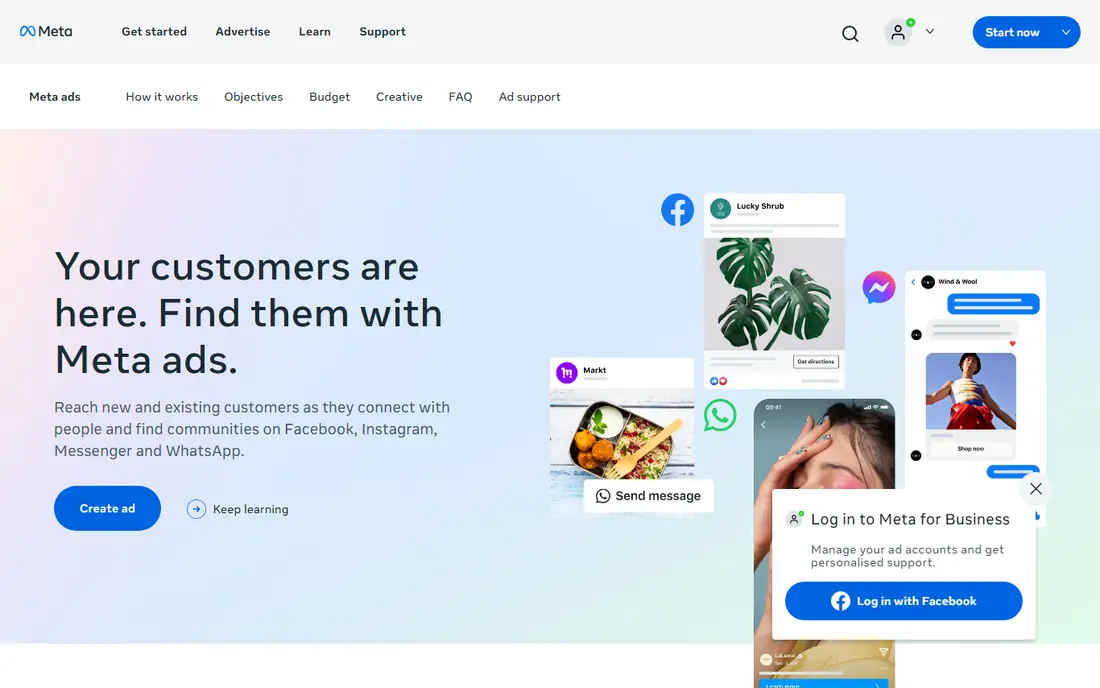
Meta Ads, run through Ads Manager, cover Facebook, Instagram, Messenger, and related placements, giving advertisers access to billions of monthly users. Targeting by interests, behaviors, demographics, and custom audiences from a website or customer list makes it flexible for local businesses, ecommerce stores, and app makers alike. Reels and Stories formats suit short video creative, which many small teams can produce on a phone.
The platform changes often. Algorithm updates, privacy rules, and auction competition can move costs from month to month, and accurate measurement now needs careful setup of conversion tracking. Even with those caveats, Meta Ads remain the best advertising platform for consumer offers that need broad social reach.
- Huge audience across Facebook and Instagram
- Detailed interest and behavior targeting
- Strong creative formats including Reels
- Costs and performance shift with algorithm changes
- Privacy changes have made tracking harder
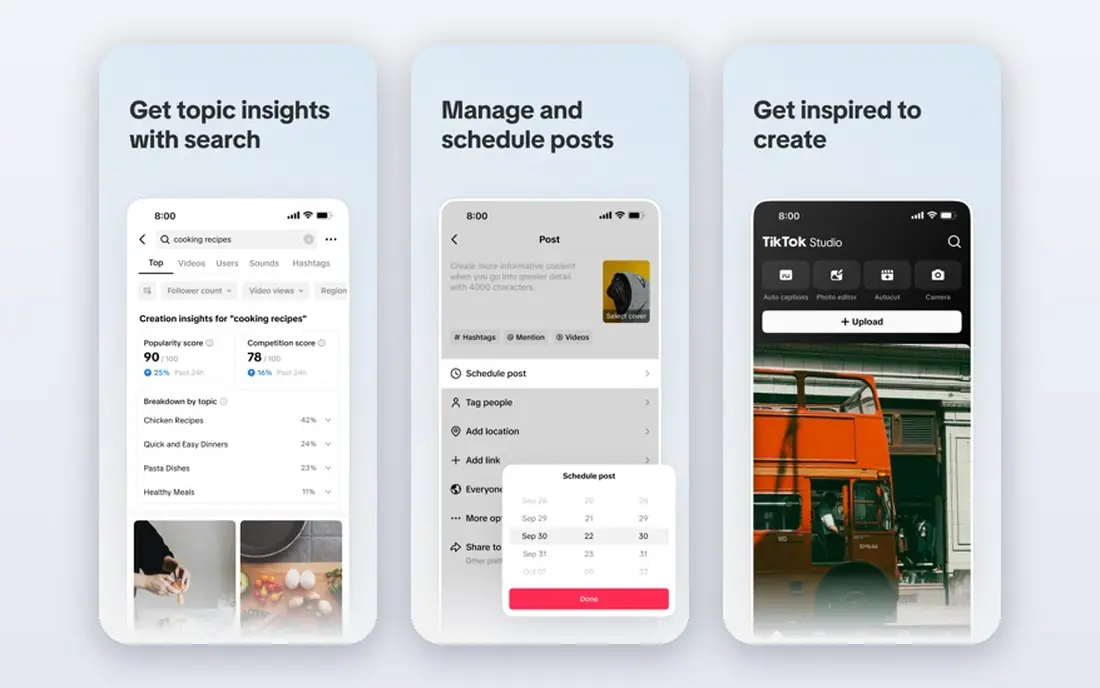
TikTok Ads work best for products that can be shown, not just described. A short, native-feeling video can reach people who never searched for the product, which suits fashion, beauty, food, gadgets, and apps. Spark Ads let brands boost organic creator posts, which often perform better than polished commercials, and the platform's shopping features connect discovery to purchase for ecommerce sellers.
The demand for fresh creative is relentless. Videos tire quickly, so teams must produce new hooks and angles every week, which is a real workload for small businesses. TikTok is also weaker for capturing people who already intend to buy, which is where search ads win. Use TikTok Ads for discovery and demand creation, and pair them with search or retargeting to catch the buyers they create.
- Strong discovery for younger audiences
- Native-feeling video formats
- Creator and Spark Ads options
- Needs constant fresh video creative
- Less suited to high-intent search traffic
Amazon Ads reach people at the moment of purchase, which is why they convert well for brands that sell on the marketplace. Sponsored Products put listings at the top of search results, Sponsored Brands showcase a brand story, and display options reach shoppers across the web. Measurement ties directly to sales, so return on ad spend is easier to judge than on most platforms.
The limit is obvious: if you do not sell on Amazon, this platform does not help you. Competition for popular product keywords is also intense, and bids on best-selling categories can climb quickly. For ecommerce brands already on Amazon, though, Amazon Ads are often the highest-return platform in the mix.
- Ads appear where shoppers already buy
- Sponsored Products and Brands formats
- Purchase data for measurement
- Only useful for brands selling on Amazon
- Competition on popular keywords is fierce
Microsoft Advertising runs search ads on Bing, Yahoo, AOL, and partner sites, plus the Microsoft Audience Network for display. Its audience is smaller than Google's, but costs per click often run lower, and the platform lets advertisers import campaigns directly from Google Ads, which makes testing cheap. For businesses that already run Google search campaigns, adding Microsoft is usually a quick win.
Volume is the trade. Bing's share of search is far below Google's, so Microsoft Advertising rarely replaces Google, and its audience skews older and more desktop-oriented. That profile suits some businesses, such as professional services and business software, better than others. Treat it as a low-cost extension of a search strategy, not a standalone channel.
- Search ads on Bing and partner networks
- Often lower cost per click than Google
- Easy import from Google Ads
- Smaller search volume than Google
- Audience skews older and more desktop-based
LinkedIn Ads are the best advertising platform for business-to-business offers, because no other platform lets you target by job title, company size, industry, and seniority with the same precision. Sponsored Content, Message Ads, and lead generation forms suit software, services, recruiting, and events aimed at professionals. A campaign can reach exactly the buying committee for a product.
That precision costs money. Clicks on LinkedIn often run several dollars each, well above Meta or search averages, so campaigns only pay off when a lead or sale is worth a lot. Small budgets can burn fast if targeting is broad. LinkedIn Ads suit businesses with high-value offers and a clear picture of who buys.
- Targeting by job title, company, industry, and seniority
- Strong for lead generation
- Professional context
- High cost per click
- Smaller audience than consumer platforms
Pinterest Ads reach people in planning mode. Users save pins for weddings, renovations, recipes, outfits, and gifts, often weeks before buying, which makes the platform strong for home goods, fashion, beauty, food, and travel. Promoted Pins blend into the feed, and shopping ads link directly to product pages, so the path from discovery to purchase is short.
The audience is narrower than Meta's or Google's, and Pinterest is a weak fit for urgent services or business software. Creative also needs to be visual and aspirational, which suits some brands more than others. For ecommerce brands in visual categories, Pinterest Ads are one of the best advertising platforms for reaching shoppers early in their journey.
- Users plan purchases and save ideas
- Strong for home, fashion, food, and beauty
- Shopping ads link to products
- Audience is narrower than Meta's
- Less suited to urgent or business offers
Snapchat Ads suit brands chasing younger audiences with mobile-first creative. Full-screen vertical video, Story ads, and AR lenses let brands build playful campaigns that feel native to the app, and the audience skews younger than most other platforms. Local filters and lenses can also work well for events and store launches.
The audience is smaller than Meta's or TikTok's, and Snapchat's conversion tools suit app installs and brand awareness better than complex ecommerce funnels for some advertisers. That makes it a supporting channel rather than a first pick for most businesses. Use Snapchat Ads when the audience and the creative format fit, and measure results against a clear goal.
- Reaches younger mobile users
- AR lenses and filters for playful campaigns
- Full-screen vertical video
- Smaller audience than Meta or TikTok
- Conversion tracking is weaker for some offers
How we picked these
We compared official platform pages, advertiser documentation, and public reviews, focusing on platforms that are actively available to US advertisers in 2026 and that cover distinct channels: search, social, shopping, video, and professional audiences. We favored platforms with self-serve accounts, clear targeting options, and a track record for small and mid-size businesses. We did not claim hands-on testing, and we treated costs as auction-based, since actual prices vary by keyword, audience, and season.
Choosing the right mix
Start with intent, then add discovery
Search ads catch people ready to act, while social and video ads create demand among people who are not searching yet. Most businesses do best with one intent channel and one discovery channel, then expand.
Set a test budget and a success metric
Decide what a lead or sale is worth before spending, and give each platform a fixed test budget and a clear metric, such as cost per lead or return on ad spend. Kill tests that miss the metric, and scale the ones that beat it.
Creative beats targeting tweaks
On social and video platforms, the ad itself matters more than small targeting changes. Test several hooks, formats, and messages before judging a platform, since a weak creative can make a good channel look bad.
Watch for in-app advertising limits
In-app advertising formats, such as rewarded ads inside mobile apps, suit app makers and games more than most local businesses. If your product is not an app, stick to the feed, search, and shopping formats on this list.
Frequently asked questions
What is the best advertising platform?
Google Ads is the best advertising platform for most businesses, because it reaches people actively searching for what they sell. Meta Ads are the best social option for consumer and ecommerce offers, and LinkedIn Ads are best for business buyers. The best platform for advertising depends on your audience, your offer, and what a customer is worth to you.
What are the best ad platforms for ecommerce?
Meta Ads, Google Shopping, Amazon Ads, and TikTok Ads form the core ecommerce mix for most stores. Google and Amazon catch shoppers with intent, Meta and TikTok create demand through discovery, and Pinterest Ads add planning-stage shoppers in visual categories. The best advertising platforms for ecommerce combine at least one intent channel with one discovery channel.
How much do advertising platforms cost?
Opening an account is free on every platform here, but you pay for ad spend through auctions, so costs vary by keyword, audience, and season. Search clicks can run from under a dollar to several dollars, and social costs move with competition and creative quality. Set a daily budget cap and a target cost per result before launching.
What is the best platform for advertising a small business?
Meta Ads and Google Ads are the best starting pair for most small businesses, since they cover local discovery and local search intent. A local shop can run Google search ads for people looking nearby, and Meta ads for offers and events aimed at the surrounding area. Start with a small test budget and expand what works.
Are in-app advertising platforms worth it?
In-app advertising, such as ads inside mobile games and apps, works best for app installs, games, and products aimed at app users. For most local businesses and ecommerce stores, feed, search, and shopping ads perform better and are easier to measure. Consider in-app formats only if your product is an app or your audience spends heavy time in apps.
How do I choose between Google Ads and Meta Ads?
Pick Google Ads when people search for your product or service, since it captures existing intent. Pick Meta Ads when you need to create demand, show a product visually, or reach a broad consumer audience. Many businesses run both, using Meta to spark interest and Google to catch the buyers who then search.
Sources
See where you really rank - block by block
ProMapRanker scans Google Maps across a grid of your service area. Simple monthly plans from $19, white-label on every plan.
Start freeKeep reading
 zeffy payment processor stripe alternatives
Zeffy and Stripe Alternatives for Nonprofits in 2026
Explore zeffy payment processor stripe alternatives for nonprofits. We compare 8 fundraising platforms on fees, donor tools, and nonprofit focus. Check fees.
Read → workday alternatives
Workday Alternatives in 2026
Workday alternatives compared: we review 8 HR and payroll platforms that replace Workday, with pricing, strengths and honest limits for each team size.
Read → what's the best weather app
What's the Best Weather App in 2026
Wondering what's the best weather app? We compare 10 free and paid apps for forecasts, radar, alerts, and Colorado mountain weather for everyday and storm use.
Read →